
Lawn
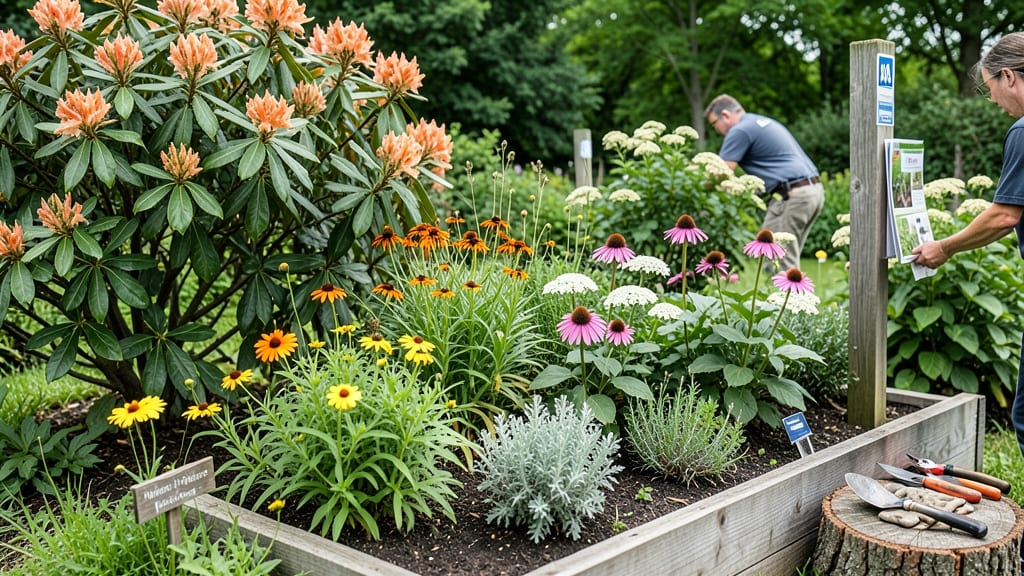
Maryland Master Gardeners are trained volunteers who provide horticultural expertise, community education, and sustainable gardening solutions through the University of Maryland Extension. They assist with plant diagnostics, workshops, and youth gardening programs across the state.
The Maryland Master Gardener program transforms passionate gardeners into certified experts through a 40-hour training program covering everything from plant diseases to sustainable landscaping. 🌱 What sets this apart is how volunteers apply their knowledge—whether diagnosing mysterious plant issues at local clinics or teaching kids how to grow vegetables in urban gardens.
The program's partnership with University of Maryland Extension ensures volunteers receive ongoing support and stay current with the latest horticultural research.
This initiative isn't just about gardening—it's about building stronger communities. Volunteers often become go-to resources for homeowners, schools, and even disaster recovery efforts after storms. The training covers practical skills like soil testing and pest management, but also teaches volunteers how to communicate complex gardening concepts in accessible ways.
Whether you're looking to join or just curious about how your local garden center's plant doctor got their expertise, this program is where it starts.
💡 In This Article
- How Maryland Master Gardener Training Works
- Top Volunteer Opportunities for Maryland Garden Enthusiasts
How Maryland Master Gardener training works
The Maryland Master Gardener program begins with an intensive 40-hour training course delivered through the University of Maryland Extension.
This curriculum dives deep into core horticultural sciences, including plant pathology (identifying diseases like powdery mildew), entomology (recognizing pests such as Japanese beetles), and soil chemistry (testing pH levels for optimal plant growth).
What makes this training stand out is its hands-on approach—volunteers don't just study theory; they practice diagnosing plant problems using real samples and learn proper techniques for soil amendments.
Certification requires completing all coursework and passing a final exam, but the learning doesn't stop there. Graduates must contribute 40 hours of volunteer service within their first year to maintain active status, ensuring they apply their knowledge while staying connected to the community.
The program stays current with the latest research through annual workshops and webinars, covering emerging topics like climate-adaptive gardening or native plant restoration. This ongoing education keeps volunteers equipped to handle Maryland's diverse gardening challenges, from coastal salt tolerance to Piedmont soil management.
What most people don't realize is how this training transforms volunteers into community problem-solvers. For example, a graduate might start by helping homeowners identify blight on tomato plants at a plant clinic, then progress to designing pollinator gardens for schools.
The program's partnership with University of Maryland Extension provides access to lab facilities, plant databases, and expert mentors—resources that would be cost-prohibitive for individuals. This infrastructure allows volunteers to offer services like free soil testing at community events, creating tangible benefits for residents.
The training also emphasizes communication skills, teaching volunteers how to explain complex concepts in simple terms. For instance, explaining why certain trees thrive in Baltimore's urban heat islands requires breaking down concepts like microclimates and heat stress.
This ability to translate technical knowledge makes Master Gardeners invaluable at farmers markets, where they might advise customers on companion planting to deter pests naturally. The program's focus on sustainable practices—like water conservation techniques or organic pest control—ensures volunteers promote environmentally responsible gardening throughout Maryland.
One unique aspect is the regional specialization available. Volunteers in Western Maryland might focus on fruit tree care for apple orchards, while those in Eastern Shore regions concentrate on salt-tolerant landscaping. This localized approach ensures volunteers gain expertise directly relevant to their communities' specific growing conditions.
The program's structure—combining classroom learning, practical application, and continuous education—creates a pipeline of knowledgeable gardeners who can address Maryland's diverse horticultural needs.
For those considering the program, the time commitment is significant but rewarding. The initial training takes about 3-4 months to complete, with classes typically held on weekends to accommodate working volunteers.
What many find surprising is how quickly they can apply their new skills—some graduates start volunteering at plant clinics within weeks of completing training. The program's blend of scientific rigor and practical application creates volunteers who are both experts and approachable mentors for Maryland gardeners of all levels. 🌿