
Advice
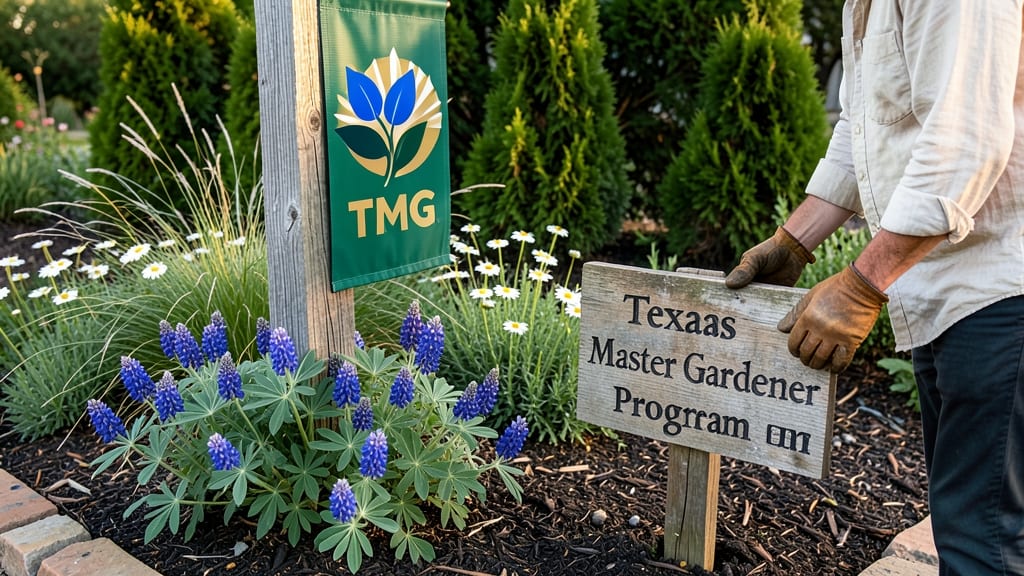
The Texas Master Gardener Program trains volunteers in horticulture to serve their communities through gardening education, plant clinics, and environmental stewardship, requiring 40 hours of coursework and 50 hours of volunteer service annually.
The Texas Master Gardener Program transforms gardening enthusiasts into community experts through a rigorous 40-hour training curriculum covering plant health, sustainable practices, and local ecosystems. 🌱 Participants gain hands-on experience diagnosing plant diseases, designing eco-friendly gardens, and teaching others—all while earning certification recognized statewide.
This program isn't just about learning; it's about applying knowledge to real-world problems like invasive species control or urban food security initiatives.
What sets this program apart is its county-based structure, meaning you'll work directly with local agricultural extension offices to address regional challenges. Whether you're helping homeowners with pest management or leading workshops on water conservation, your volunteer hours directly impact Texas' green spaces and food systems.
The initial investment of time pays off through networking opportunities and the chance to shape gardening culture in your community.
💡 In This Article
- Texas Master Gardener Training Curriculum Breakdown
- How to Apply for the Texas Master Gardener Program
Texas Master Gardener training curriculum breakdown
The 40-hour training program dives deep into horticulture science, blending classroom instruction with hands-on labs.
You'll spend about 12 hours on plant pathology, learning to diagnose diseases like fungal infections and bacterial spots through microscopy exercises. 🌱 The curriculum also covers soil science fundamentals, including pH testing (ideal range: 6.0-7.0 for most Texas plants) and organic matter analysis, with field trips to local nurseries for real-world application.
Sustainable landscaping takes up 8 hours, where you'll design water-wise gardens using native plants that thrive in Texas' 90°F+ summers with minimal irrigation. The program emphasizes integrated pest management (IPM), teaching you to identify beneficial insects (like ladybugs) and natural predators of garden pests.
You'll also explore urban forestry and community garden management, with case studies from Houston's urban heat islands and San Antonio's mission gardens.
What makes this training unique is the hands-on certification requirement: you must complete 50 volunteer hours within a year to earn your designation. This isn't just about memorizing facts—you'll apply knowledge by staffing plant clinics, where you'll diagnose 50+ plant samples under supervision.
The program even includes a master gardener exam testing your ability to recommend solutions for common Texas problems like azalea gall wasps or black spot on roses.
Advanced topics cover Texas-specific challenges, such as managing invasive species like Chinese tallow or Brazilian pepper, and adapting gardening techniques to our variable rainfall patterns (from 10 inches in West Texas to 50+ inches in East Texas).
The curriculum evolves yearly to address emerging issues, like climate change impacts on pollinators or soil health in urban areas.
Here's how the hours typically break down:
- Botany & Plant Science: 10 hours - Plant families, growth habits, and Texas native species
- Soil Science: 8 hours - Composition, fertility, and amendment techniques
- Pest Management: 7 hours - Chemical and organic control methods
- Landscape Design: 6 hours - Hardscaping, irrigation systems, and native plant palettes
- Workshops & Labs: 9 hours - Hands-on activities like pruning demonstrations and soil testing
The program culminates with a certification ceremony where you'll receive your official Texas Master Gardener pin—a symbol of your commitment to evidence-based gardening practices that benefit both homeowners and the environment. 🌿