
Companion Plants
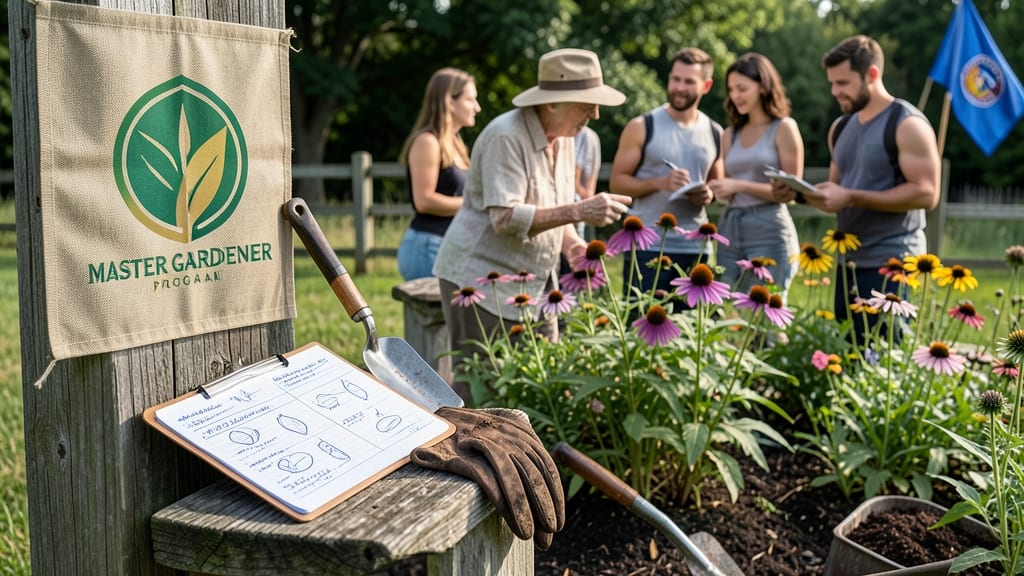
The Pennsylvania Master Gardener Program trains volunteers in sustainable horticulture, pest management, and community gardening through a rigorous 120-hour course. Eligibility requires a passion for gardening and a commitment to serving local communities, with chapters across the state offering hands-on learning and mentorship opportunities.
If you're passionate about gardening and want to give back to your community, this program is your gateway to becoming a certified horticulture expert. 🌱 Through Penn State Extension's research-backed curriculum, participants dive into topics like plant health, soil science, and eco-friendly gardening practices.
The hands-on training isn't just about theory—it's designed to equip volunteers with practical skills they can immediately apply in local gardens, schools, and community projects. What sets this program apart is its emphasis on real-world impact, ensuring you'll leave with both knowledge and the ability to mentor others.
Once you complete the training, you'll join a statewide network of Master Gardeners who actively support Pennsylvania's green spaces. Whether you're helping urban farmers tackle pest issues or teaching kids about native plants, your volunteer work directly strengthens local ecosystems.
The best part? You'll learn alongside fellow gardening enthusiasts, creating lasting connections that extend far beyond the classroom.
💡 In This Article
- Pennsylvania Master Gardener Training Curriculum Breakdown
- How to Join a Pennsylvania Master Gardener Chapter Near You
Pennsylvania Master Gardener training curriculum breakdown
The Pennsylvania Master Gardener Program curriculum is meticulously designed by Penn State Extension to blend science with practical application. You'll spend 40 hours on foundational botany, covering plant structure, physiology, and life cycles—think of it as your gardening "biology 101."
The program dives deep into soil science with 20 hours dedicated to understanding pH levels, organic matter, and nutrient cycles. This isn't just theory; you'll analyze real soil samples under microscopes to see how mycorrhizal fungi and earthworms create the perfect growing environment.
Plant pathology takes center stage with 15 hours focused on diagnosing diseases and pests using research-backed methods. You'll learn to identify fungal infections by their unique symptoms—like the powdery mildew's white fungal growth or the black spot's dark lesions on leaves—using Penn State's diagnostic tools.
The curriculum also includes 10 hours on sustainable gardening practices, where you'll explore integrated pest management (IPM) techniques that reduce chemical use by 70-90% while maintaining plant health.
What makes this program stand out is its hands-on approach. You'll complete 35 hours of practical training in demonstration gardens, where you'll practice pruning techniques on fruit trees, design compost systems, and even build rain gardens that filter stormwater.
The final 10 hours focus on communication skills, teaching you how to present gardening information to diverse audiences—from schoolchildren to senior citizen groups. This isn't just about growing plants; it's about creating community through horticulture.
The program culminates in a comprehensive exam covering all modules, with a 70% passing score required. But here's the secret: most participants pass because the training prepares you thoroughly. You'll work in small groups led by experienced Master Gardeners who've been through the same rigorous process.
The exam itself is a mix of multiple-choice questions and practical scenarios—like identifying a diseased plant from photos or calculating proper fertilizer ratios for specific soil types.
What you learn here isn't just academic knowledge—it's immediately applicable. Take soil testing, for example: you'll learn how to collect samples properly (using the "W" pattern in gardens) and interpret lab results that show your soil's phosphorus, potassium, and micronutrient levels.
This practical skill alone can save gardeners $50-$100 annually on unnecessary fertilizers. The program's alignment with Penn State Extension ensures you're learning from the same research that guides Pennsylvania's agricultural industry.
After certification, you'll maintain your status by completing 35 hours of continuing education every three years. This keeps your skills sharp and ensures you're always working with the latest horticultural science.
Whether you're helping a community garden troubleshoot blight or teaching kids about pollinator-friendly plants, you'll have the credentials and confidence to make a real difference in Pennsylvania's green spaces.