
Tools
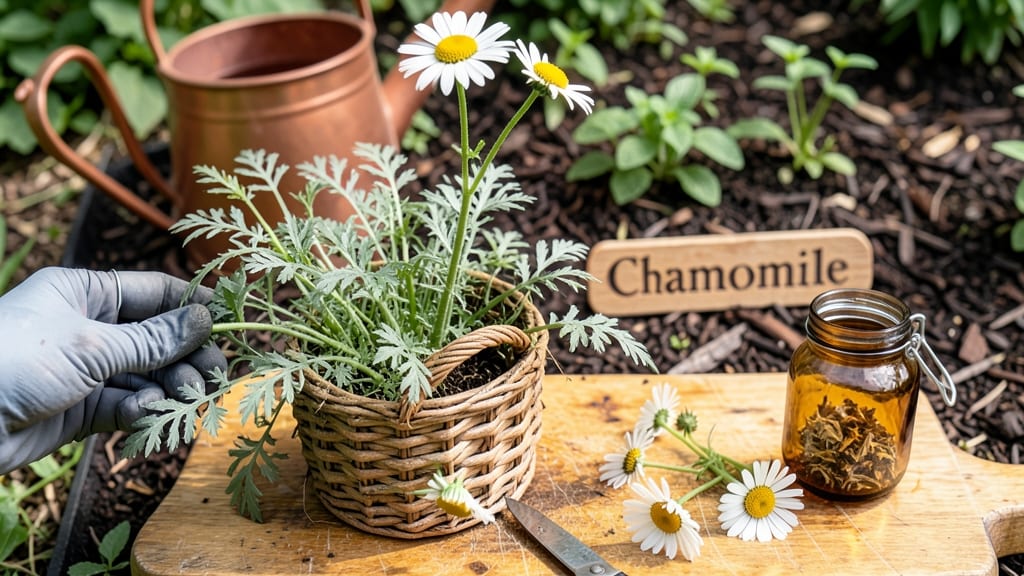
A medicinal tea garden creates a natural apothecary of healing herbs like peppermint, chamomile, and lemon balm, perfect for brewing teas that support digestion, relaxation, and immune health. Focus on sun-loving perennials alongside shade-friendly annuals to ensure fresh harvests year-round.
Creating a medicinal tea garden is simpler than you think, especially when you start with hardy, fast-growing plants that thrive in most climates. 🌿 The key is balancing sun-loving perennials like lavender and rosemary with shade-tolerant options such as mint or lemon balm, which can spread aggressively if not contained.
Many of these herbs—like chamomile and hibiscus—also attract pollinators, boosting your garden's overall health while providing therapeutic benefits.
Beyond the basics, consider your garden's layout: group herbs with similar water needs together to simplify maintenance. For instance, drought-resistant plants like thyme and oregano pair well with sun-loving perennials, while moisture-loving varieties like peppermint or catnip can be planted near a water source.
This strategic arrangement not only makes care easier but also maximizes your harvest potential.
💡 In This Article
- How to Select and Grow Medicinal Tea Plants
- Top 15 Beginner-Friendly Medicinal Herbs for Tea
How to select and grow medicinal tea plants
Medicinal tea plants thrive when you match their natural growing conditions to your garden's environment.
Most herbs fall into two categories: sun-loving perennials that need 6-8 hours of direct sunlight daily (like rosemary and lavender) and shade-tolerant varieties that prefer partial shade (3-6 hours of sun), such as peppermint or lemon balm.
Soil pH matters too—many herbs prefer slightly acidic to neutral soil (pH 6.0-7.0), while others like thyme thrive in alkaline conditions (pH 7.0-8.0). A simple soil test kit can help you adjust with compost or lime as needed.
Watering habits vary dramatically between species.
Drought-resistant perennials like oregano and sage only need water when the top inch of soil feels dry, while moisture-loving herbs like catnip or comfrey require consistently damp soil. 🌱 The key is mulching—adding a 2-3 inch layer of straw or wood chips helps retain moisture, suppress weeds, and regulate soil temperature.
For container gardening, ensure pots have drainage holes and use well-draining potting mix to prevent root rot, which is especially critical for herbs like basil that hate soggy conditions.
Propagation methods depend on the plant: seeds are ideal for annuals like chamomile or calendula, while cuttings work best for perennials like mint or lemon balm. For cuttings, take 4-6 inch stems in spring or early summer, remove the lower leaves, and root them in water or moist soil.
Most herbs establish roots within 2-3 weeks. Seeds, on the other hand, often germinate faster when pre-soaked for 12-24 hours before planting. Seasonal timing is crucial—spring planting gives most herbs enough time to establish before winter, while fall planting works well for hardy perennials like lavender.
Companion planting isn't just about aesthetics—it's a smart strategy to deter pests naturally.
For example, planting basil near tomatoes repels mosquitoes, while marigolds planted around chamomile can fend off aphids. 🌿 Some herbs also benefit from being planted near their botanical relatives: thyme and oregano grow well together, as do mint and catnip.
However, avoid planting mint near anything else—it spreads aggressively and can overtake neighboring plants. Containing it in pots or buried containers solves this problem while keeping it handy for tea.
The best time to harvest most medicinal herbs is in the morning after the dew has dried but before the sun becomes too intense. For leafy herbs like peppermint or lemon balm, pinch off the top sets of leaves to encourage bushier growth.
Flowering herbs like chamomile or hibiscus should be harvested just as the buds open for maximum potency. Always use clean, sharp scissors or pruners to avoid damaging the plant.
After harvesting, allow the leaves to air-dry in a well-ventilated area for 1-2 weeks before storing in airtight containers away from light and moisture.
Understanding each herb's growth cycle helps maximize your harvests. Perennials like lavender and rosemary grow year-round in mild climates, while others like chamomile are annuals that complete their life cycle in one season.
Some herbs, such as lemon balm, produce their most potent leaves in early summer, while others like catnip peak in late summer. Planning your garden layout to stagger these cycles ensures you have fresh tea ingredients available throughout the year.