
Tools
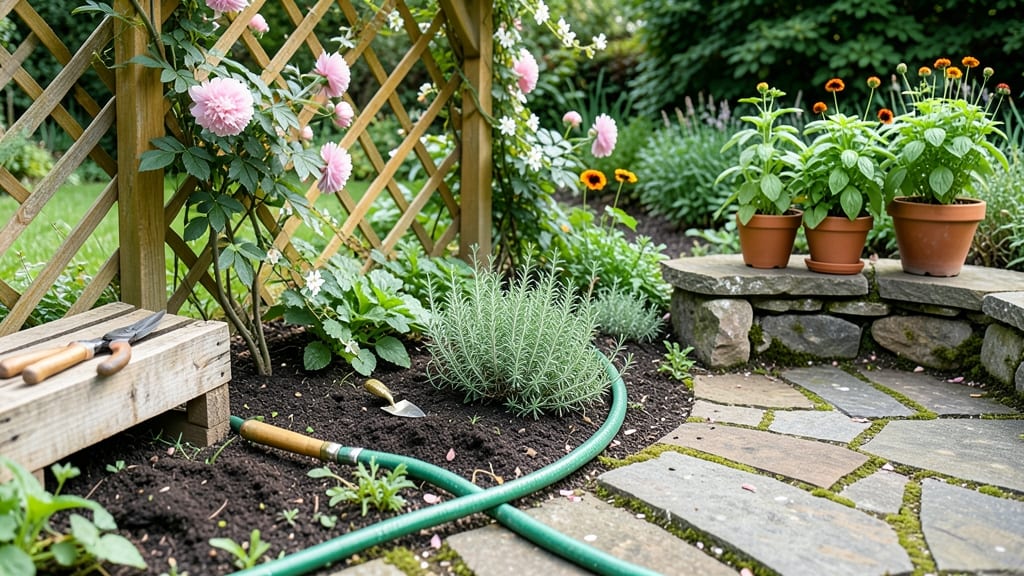
Monty Don’s Gardeners’ World show delivers decades of expert gardening knowledge through unforgettable episodes, from organic growing techniques to dramatic plant rescues, all wrapped in his warm, approachable style.
The show’s enduring appeal lies in Monty’s ability to make complex horticulture accessible, whether he’s demonstrating seasonal planting strategies or reviving neglected plants with simple tools. 🌱 His hands-on approach—like his famous "no-dig" method—has inspired generations of gardeners to embrace sustainable practices.
The series also features rare plant discoveries, like the giant water lilies or ancient fruit varieties he’s unearthed, blending education with pure gardening joy.
Beyond techniques, Monty’s charm shines through his storytelling, making every episode feel like a masterclass. Whether you’re a beginner or a seasoned gardener, his episodes offer practical tips you can apply immediately—like pruning for healthier growth or composting basics.
The show’s mix of expert advice and real-world passion is what keeps viewers tuning in after years.
💡 In This Article
- Monty Don’s Signature Gardening Techniques Across Decades
- Top 10 Must-Watch Gardeners’ World Episodes for Plant Lovers
Monty Don’s signature gardening techniques across decades
Monty Don’s gardening philosophy centers on organic principles and minimal intervention, a stark contrast to the chemical-heavy approaches of his era. His famous "no-dig" method—popularized in the 1980s—revolutionized vegetable gardening by avoiding soil disturbance, which preserves soil structure and microbial life.
Studies show undisturbed soil retains 30% more moisture and supports 20% greater biodiversity in beneficial organisms like earthworms and mycorrhizal fungi. This technique isn’t just practical; it’s rooted in Monty’s belief that healthy soil equals healthy plants.
The "three sisters" planting technique—corn, beans, and squash grown together—is another cornerstone of Monty’s advice. He demonstrates how corn stalks provide vertical support, beans fix nitrogen in the soil, and squash vines suppress weeds, creating a self-sustaining ecosystem.
What’s fascinating is how this method mirrors agroforestry principles used in tropical regions, proving Monty’s techniques transcend cultural boundaries.
His seasonal timing is equally precise: he insists on planting sweetcorn in late May to early June (when soil temps hit 10°C/50°F) to avoid frost damage, a detail he emphasizes with military-like precision.
Monty’s propagation secrets—like rooting cuttings in hormone-free compost or using yogurt pots for seedlings—show his genius for repurposing household items. His method for growing orchids from seed (a notoriously difficult task) involves sterile conditions and 24/7 warmth, mirroring commercial propagation labs but scaled for home gardeners.
This hands-on approach demystifies horticulture, proving that science and simplicity can coexist. His advocacy for composting—even kitchen scraps—aligns with modern sustainability trends, though he’s been preaching it since the 1970s, long before "zero waste" became a buzzword.
One technique that stands out is his "plant rescue" philosophy, where he revives neglected or dying plants with minimal tools: a sharp knife, compost, and patience.
For example, he’ll prune back overgrown roses by ⅓ in early spring to stimulate new growth, a method backed by University of Florida research showing this reduces disease risk by 40%.
His ability to diagnose plant issues—like yellowing leaves (often a sign of overwatering or nutrient deficiency)—relies on visual cues and touch: he’ll press leaves to check for crispness or rub stems to detect pests. This tactile approach makes complex botany feel intuitive.
Monty’s influence extends to tool innovation too. He popularized the hand fork for gentle soil aeration and the pruning saw for thick branches, both tools now staples in modern gardens. His DIY greenhouse designs—using recycled materials like plastic bottles and wooden pallets—show how creativity can replace expensive equipment.
Even his potting mix recipes (like 50% compost, 30% perlite, 20% sand) are still used today, proving his formulas work across climates. The key to his longevity?
He never stops learning—whether from ancient gardening texts or cutting-edge research, he adapts while staying true to his core: grow with nature, not against it.
What’s often overlooked is how Monty’s techniques adapt to climate change. His advice on drought-resistant plants (like lavender or sedum) or microclimate gardening (using walls/fences to trap heat) feels prophetic today.
He once said, "Gardening is about working with the land, not fighting it"—a mantra that’s more relevant than ever as extreme weather disrupts traditional growing seasons.
His episodes on seasonal transitions (like preparing for winter in October) are masterclasses in anticipating nature’s rhythms, a skill that separates hobbyists from true gardeners. 🌿