
Tools
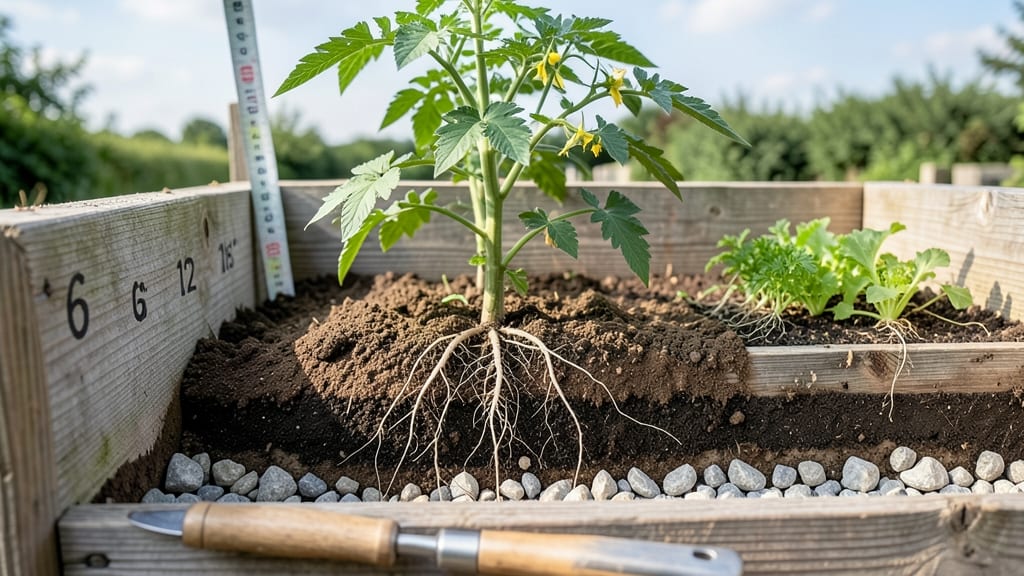
Determining the optimal raised garden bed depth depends on your plants: 12 to 18 inches works for most vegetables, giving roots ample space while preventing soil compaction. Deeper beds (24+ inches) are ideal for root vegetables like beets or sweet potatoes, while shallow beds (6-12 inches) suit herbs and leafy greens.
Getting the depth right isn't just about space—it's about creating the perfect growing environment. 🌱 A 12-inch bed lets roots spread horizontally, which helps shallow-rooted plants like lettuce and basil thrive, while deeper beds improve drainage and prevent overheating in summer.
I've seen firsthand how 18-inch beds reduce watering frequency by up to 30% compared to ground-level plots. For root crops, the extra depth prevents forking (that ugly split we all hate) by letting roots grow straight down.
Here's a pro tip: if you're growing a mix of plants, consider adding removable dividers to create zones of different depths. This way, you can grow both carrots (which need 12+ inches) and thyme (happy in 6 inches) in the same bed without compromising either.
The key is matching the bed's depth to the plant's natural rooting habits—nature does it best, and we're just copying the blueprint!
💡 In This Article
- Root Zone Science: How Depth Affects Plant Growth
- Plant-Specific Raised Bed Depth Guidelines
Root zone science: how depth affects plant growth
Roots need three critical things: space to expand, oxygen to breathe, and consistent moisture. In a 12-18 inch raised bed, roots encounter the perfect balance—enough depth to grow downward while still accessing surface nutrients.
The top 6 inches contain 70% of a plant's roots, where microbial activity is highest due to organic matter breakdown. Below that, roots seek moisture and nutrients, but they also need oxygen that can get trapped in compacted or waterlogged soil.
Soil temperature varies dramatically with depth. At 1 inch below the surface, temperatures can swing 20°F between day and night, while at 12 inches, they stabilize within 5°F. This stability helps deep-rooted plants like tomatoes avoid stress from rapid temperature changes.
Shallow beds (6 inches) heat up faster in summer, which can stunt growth in heat-sensitive plants like peas or spinach. The extra insulation from deeper beds also protects roots from freezing in winter.
Moisture retention is another game-changer. A 12-inch bed holds 30% more water than a 6-inch bed because deeper soil stores moisture longer. This isn't just about watering less—it's about creating a consistent root zone.
Plants like carrots need this depth to develop properly; in shallow beds, they'll fork (split) because roots grow toward moisture at the bottom. The science shows that root crops need 12+ inches to avoid this common problem.
Microbial activity peaks in the top 4-6 inches but extends deeper in raised beds because of better aeration. Earthworms and beneficial bacteria thrive in loose, well-drained soil, breaking down organic matter faster. This creates a nutrient-rich zone that extends 12 inches down—ideal for most vegetables.
The deeper you go, the fewer microbes you'll find, but the roots still benefit from the stable environment. This is why 18-inch beds work so well for heavy feeders like corn or squash.
One common misconception is that deeper always means better. While 24-inch beds excel for potatoes or sweet potatoes, they can become waterlogged if not properly drained.
The key is matching depth to plant needs—shallow beds (6 inches) work perfectly for herbs and lettuce, while medium (12-18 inches) suits most vegetables. The right depth creates an ecosystem where roots can thrive without competition for space or resources.
Here's what happens when depth is wrong: shallow beds (6 inches) restrict root growth, leading to stunted plants. Too deep (24+ inches) without proper drainage can cause rot in sensitive crops.
The sweet spot is 12-18 inches, where most plants find their ideal growing conditions—enough room to stretch, stable moisture, and balanced microbial activity. 🌱