
Tools
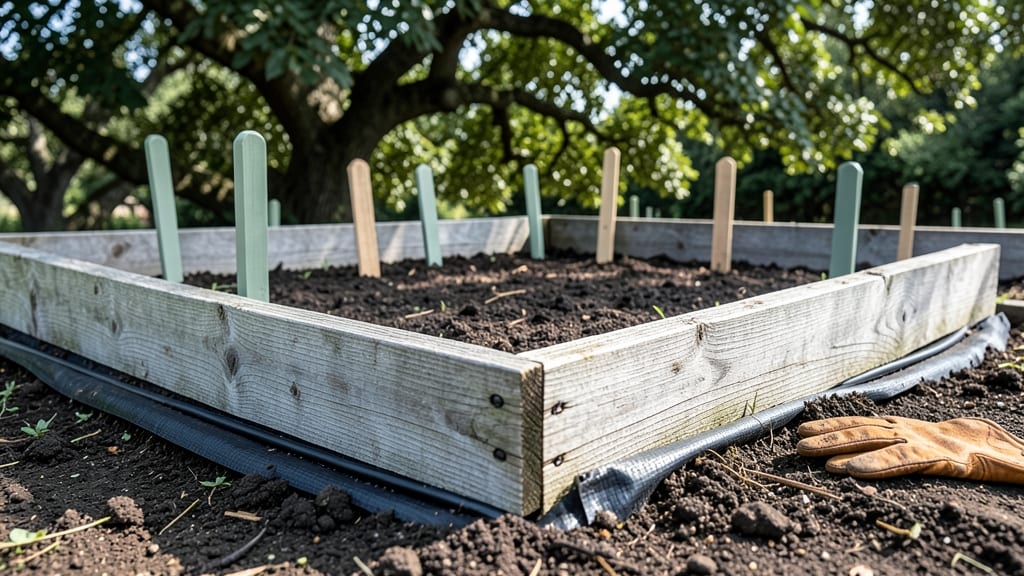
The ideal raised garden height is 6 to 12 inches, creating the perfect balance between root space for most plants, proper drainage, and easy maintenance while preventing soil overheating in taller beds.
This height range works because it accommodates the majority of vegetables and herbs while keeping soil temperatures stable. 🌱 Shallower beds (under 6 inches) may limit root growth for deeper plants like tomatoes or carrots, while taller beds (over 12 inches) can become too hot in summer months and harder to manage.
I've found that 8-10 inches is my sweet spot for most home gardens—it gives enough depth for most plants while making planting and harvesting easier on my back!
What's interesting is how this height affects soil health differently. Deeper beds can develop anaerobic zones where oxygen levels drop, harming beneficial microbes. Meanwhile, shallower beds dry out faster and may not hold enough moisture for drought-prone plants.
The 6-12 inch range strikes that balance between these competing factors, making it the most universally successful height for home gardeners.
💡 In This Article
- How Raised Garden Bed Height Affects Root Systems and Soil Health
- Best Raised Garden Bed Heights for Different Plant Types and Climates
How raised garden bed height affects root systems and soil health
The height of your raised garden directly influences how well your plants grow by controlling root development and soil conditions. Most vegetables and herbs thrive with 6-12 inches of soil because their root systems typically reach 12-18 inches deep, but they don't need that much space in raised beds.
Shallow-rooted plants like lettuce or radishes only need 4-6 inches of soil, while deeper-rooted crops such as tomatoes or carrots benefit from 10-12 inches—this height gives their roots room to spread without becoming cramped. 🌱
Soil temperature is another critical factor tied to bed height. Deeper beds (over 12 inches) can develop a "thermal mass" effect, where the soil stays cooler in summer and warmer in winter.
However, this can also create overheating issues in hot climates, as the center of deeper beds may reach temperatures above 90°F, which can stress plant roots.
Shallower beds (6 inches) warm up faster in spring, giving cold-climate gardeners an earlier start, but they dry out quicker in dry weather.
Moisture retention is where bed height makes a noticeable difference. A 12-inch bed holds about 30% more water than a 6-inch bed of the same surface area, thanks to increased soil volume.
This extra water capacity helps during droughts, but it also means deeper beds can become waterlogged if drainage isn't perfect. The ideal height balances these needs—8-10 inches provides enough moisture for most plants while still allowing good drainage through the bed's sides. 💧
Microbial activity in the soil is also height-dependent. Deeper beds may develop anaerobic (oxygen-poor) zones near the bottom where beneficial microbes struggle to thrive. These zones can lead to foul odors and poor nutrient cycling.
Shallow beds (6 inches) have better oxygen circulation throughout, but they may not support the microbial diversity needed for long-term soil health. The 6-12 inch range keeps most of the soil in the active root zone where microbes can flourish.
Consider how bed height affects your specific plants. For example, strawberries need only 6 inches of soil but benefit from good airflow, while sweet potatoes require 12 inches to develop properly.
The key is matching your bed height to your plants' needs while maintaining healthy soil conditions. This balance is what makes the 6-12 inch range so universally successful for home gardeners.