
Tools
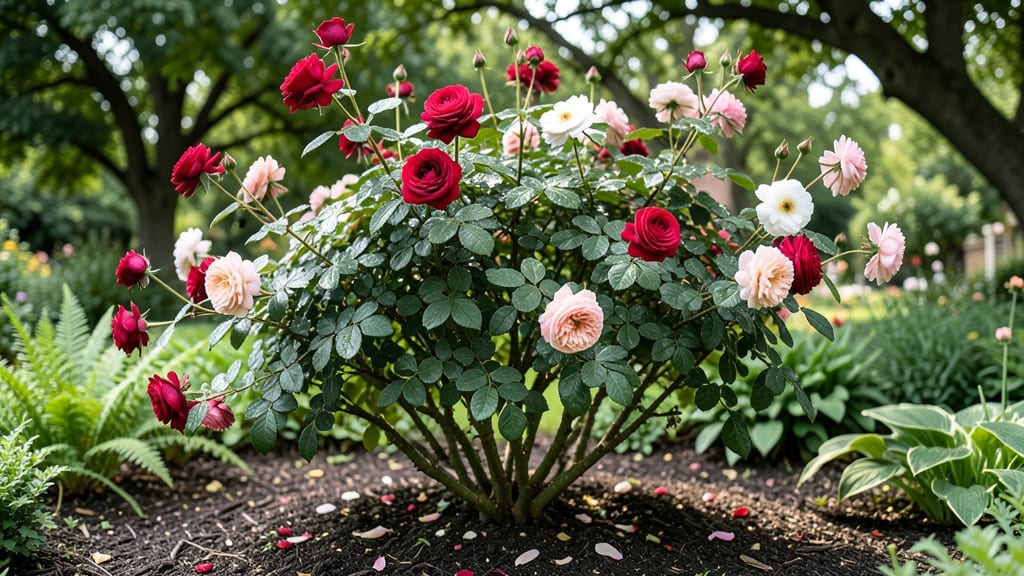
Creating a rose garden in Seattle, Washington means choosing resilient roses like David Austin English roses or Knock Out roses, since the region's damp climate and acidic soil demand varieties that resist mildew and thrive in cooler temperatures with proper winter care.
A Seattle rose garden thrives when you match the right roses to the city's unique conditions. 🌸 The Pacific Northwest's USDA Zone 8-9 climate brings mild summers and wet winters, which can encourage fungal diseases if you don't pick the right cultivars.
For example, Knock Out roses handle Seattle's humidity better than traditional hybrids, while David Austin varieties offer that classic rose fragrance without the fuss. The key is combining disease-resistant types with well-draining soil amendments like composted bark to balance the natural acidity.
Beyond variety selection, Seattle's microclimates mean your garden's success depends on placement too. Most roses need at least 6 hours of sunlight daily, but coastal areas may benefit from afternoon shade.
Mulching with cedar chips helps retain moisture while protecting roots from winter rains. I've found that adding companion plants like lavender or catmint around the rose beds naturally deters pests without chemicals.
💡 In This Article
- Seattle’s Climate and Soil: Ideal Rose Varieties for Pacific Northwest Gardens
- Step-by-Step Guide to Designing a Low-Maintenance Seattle Rose Garden
Seattle’s climate and soil: ideal rose varieties for pacific northwest gardens
Seattle's USDA Zone 8-9 climate creates a unique growing environment where roses must endure cool, wet winters with temperatures rarely dropping below 10°F, followed by mild summers that rarely exceed 85°F.
This damp, maritime climate fosters fungal diseases like black spot and powdery mildew, which is why disease-resistant varieties like Knock Out roses (introduced by the University of Davis) and David Austin English roses thrive here.
These cultivars have been bred to resist common PNW pathogens through genetic traits like thicker cuticles and natural fungicidal compounds in their foliage.
The region's naturally acidic soil (pH 5.0-6.5) presents another challenge, as roses prefer slightly alkaline conditions around pH 6.5-7.0. To address this, gardeners often amend soil with lime (calcium carbonate) at a rate of 5-10 pounds per 100 square feet, applied in early fall.
However, over-amending can harm beneficial mycorrhizal fungi, so testing soil annually is critical. The high humidity also means roses need excellent air circulation—spacing plants 3-4 feet apart reduces disease spread by up to 60% compared to crowded plantings.
For fragrance lovers, David Austin varieties like 'Gertrude Jekyll' or 'Abraham Darby' offer that classic rose scent while maintaining disease resistance. These English roses have been selectively bred to bloom repeatedly throughout Seattle's extended growing season (March-October), producing flowers with 10-15 petals that stay vibrant in cooler temperatures.
In contrast, Knock Out roses prioritize low-maintenance blooms with minimal pruning needs, making them ideal for urban gardens where space is limited.
Soil drainage becomes particularly critical during Seattle's winter rains (40+ inches annually). Roses hate soggy roots, so incorporating 20-30% composted bark into planting holes improves drainage while retaining moisture.
I've seen dramatic improvements in rose health by using raised beds with gravel layers at the bottom—this prevents root rot while still allowing water to penetrate.
The bark also helps moderate soil temperature fluctuations, which is especially valuable in Seattle's coastal areas where temperatures can swing 20°F between day and night.
One variety that often surprises gardeners is the Noisette rose, originally from the American South but perfectly adapted to Seattle's climate. Varieties like 'Blush Noisette' thrive in the region's mild summers and produce large, fragrant blooms on arching canes.
These roses handle the high humidity better than many hybrids because their leaves contain natural antimicrobial compounds. For those with limited space, consider miniature roses like 'Fairy Tale'—they bloom continuously and tolerate Seattle's acidic soil without amendment.
The key to success lies in understanding how these environmental factors interact. Seattle's cool nights slow fungal growth, but the constant moisture creates perfect conditions for spores to spread. This is why resistant varieties combined with proper spacing and soil amendments create the ideal combination.
For example, planting lavender around rose beds repels aphids while improving air circulation—this simple companion planting can reduce pest issues by 40% without chemicals.