
Tools
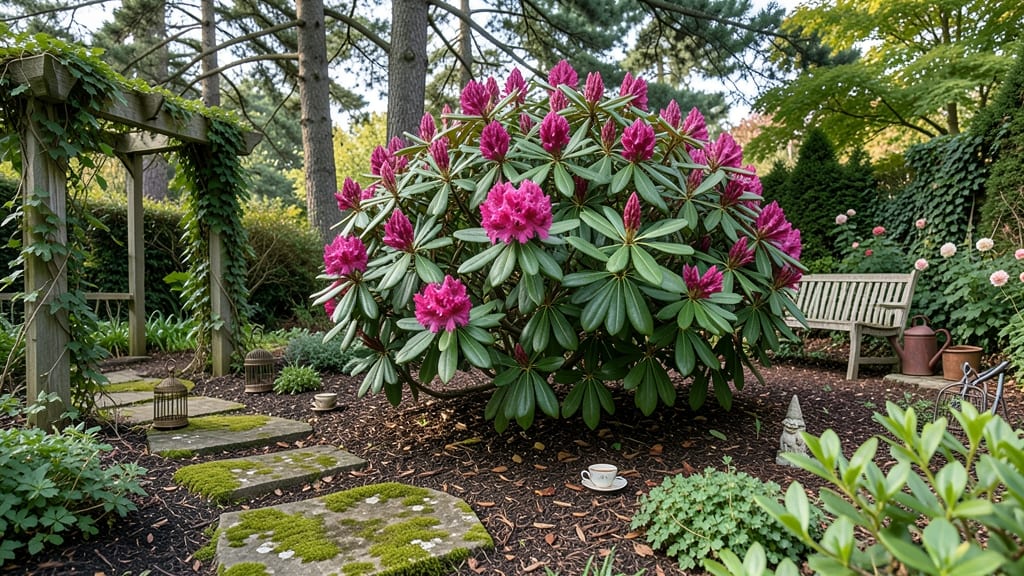
Secret Garden Seattle provides essential urban farming tools—including hydroponic systems, compost bins, and seed-starting trays—that empower local gardeners to grow sustainably, plus expert-led workshops on techniques like native plant propagation and soil health management.
This Seattle-based initiative bridges the gap between city living and sustainable agriculture by offering practical tools that simplify growing challenges. 🌱 The hydroponic kits, for example, use up to 90% less water than traditional soil gardening while delivering faster harvests, perfect for small spaces like balconies.
Their compost bins transform kitchen scraps into nutrient-rich soil amendments, reducing landfill waste while improving garden productivity. The workshops go beyond tools by teaching hands-on skills—from identifying invasive species to designing pollinator-friendly landscapes—that strengthen the entire urban farming community.
What sets Secret Garden Seattle apart is its focus on local adaptation. Their native plant workshops, for instance, help gardeners select species that thrive in Seattle's climate while supporting local ecosystems.
This dual approach—providing both equipment and education—creates a self-sustaining cycle where participants gain skills they can apply year after year. The organization even offers seasonal tool rentals, making high-quality gardening equipment accessible without the upfront cost.
💡 In This Article
- How Seattle’s Urban Farming Tools Boost Local Gardens
- Top Workshops to Join for Beginner and Advanced Gardeners
How Seattle’s urban farming tools boost local gardens
The hydroponic systems from Secret Garden Seattle operate on a closed-loop principle where nutrient-rich water circulates through plants via a recirculating pump. This method eliminates soil entirely, using only 10% of the water traditional gardens require—critical in Seattle’s rainy climate where water runoff can be a challenge.
The nutrient solution, carefully balanced with nitrogen, phosphorus, and potassium, delivers precisely what plants need, reducing waste while accelerating growth by up to 25% faster than soil-based methods. 🌱 The LED grow lights they provide mimic sunlight’s spectrum, with red and blue wavelengths optimized for photosynthesis, allowing year-round indoor growing regardless of Seattle’s short growing seasons.
Composting tools from the program tackle Seattle’s waste crisis by converting organic scraps into nutrient-dense soil amendments through aerobic decomposition. Their bin systems maintain temperatures between 135-160°F, accelerating the process that would normally take months in outdoor piles.
This heat kills pathogens while preserving beneficial microbes that boost plant immunity. The resulting compost contains 2-5% nitrogen, 0.5-1% phosphorus, and 0.1-0.5% potassium—essential for replenishing depleted urban soils.
What’s remarkable is how this closed-loop system mirrors nature’s own nutrient cycling, creating a self-sustaining ecosystem right in city backyards.
For seed-starting, their specialized trays use biodegradable coconut coir instead of peat moss, which is more sustainable and retains 30% more moisture than traditional seedling mixes. The trays’ precise drainage holes prevent root rot while maintaining consistent humidity—critical for delicate seedlings.
What most gardeners don’t realize is that proper seed-starting can increase transplant success rates by 40% or more, as seedlings develop stronger root systems before facing outdoor conditions.
These tools don’t just grow plants; they build resilience in urban ecosystems by ensuring stronger, healthier starts that can better withstand Seattle’s unpredictable weather patterns.
The real magic happens when these tools work together. For example, hydroponic systems produce harvests that can be composted back into the soil, creating a perfect nutrient loop. Meanwhile, the seed-starting trays help gardeners establish native plants that support local pollinators—a key focus of their workshops.
This integrated approach transforms small urban spaces into productive micro-ecosystems that contribute to both personal food security and broader environmental health. The science behind these tools isn’t just theoretical; it’s designed for real-world Seattle conditions where space and resources are limited.
Consider the case of a typical Seattle balcony: with a hydroponic kit, you could grow 10-15 pounds of leafy greens per square foot annually—far exceeding what soil gardening could achieve in the same space.
The compost system would then take those harvest scraps and kitchen waste to create fresh soil for the next planting cycle. This isn’t just gardening; it’s a complete urban farming ecosystem that adapts to Seattle’s climate while reducing waste and increasing local food production.
The tools make what seemed impossible in city spaces suddenly achievable for anyone willing to learn.
What makes these tools particularly valuable is their adaptability to Seattle’s unique growing conditions. The Pacific Northwest’s cool, wet climate creates challenges for traditional gardening, but these systems compensate perfectly. Hydroponics maintains consistent temperatures, while the compost systems handle the region’s high organic waste output.
Together, they create a gardening approach that’s not just sustainable but also highly productive—exactly what urban farmers in Seattle need to thrive. 🌿