
Tools
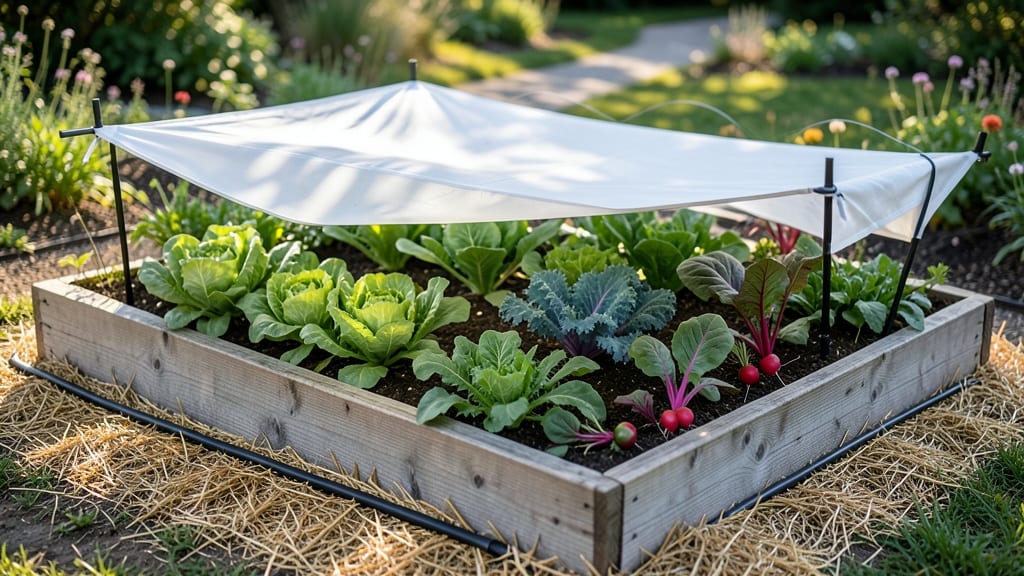
Shade cloth for garden beds helps protect plants from harsh sunlight by reducing light exposure, with options from 20% to 90% coverage to match delicate crops like lettuce or heat-sensitive seedlings. Your choice should align with plant requirements and local climate for best results.
Shade cloth acts like a customizable sunblock for your plants, adjusting light levels to prevent sunburn or stress. 🌿 The percentage rating determines how much sunlight passes through—think of it like choosing sunglasses for your garden.
For instance, a 30% shade cloth lets in gentle light ideal for tomatoes, while a 50% cloth works better for basil or cucumbers in hot climates. The key is balancing protection with the plant's need for light, especially during peak summer months when temperatures can spike unexpectedly.
Beyond light control, shade cloth also helps regulate soil temperature and reduce water evaporation, which is especially valuable in arid regions. I've found that pairing the right shade percentage with proper airflow—by securing the cloth with stakes rather than sealing it tightly—can make a huge difference in plant health.
For tropical plants, you might even adjust the shade level seasonally to match changing sun angles.
💡 In This Article
- Understanding Shade Cloth Light Ratings and Their Effects
- Selecting the Right Shade Cloth for Your Garden’s Climate and Plants
Understanding shade cloth light ratings and their effects
Shade cloth ratings measure how much sunlight the fabric blocks, with lower percentages allowing more light through.
A 20% shade cloth lets 80% of sunlight pass, ideal for seedlings or plants needing minimal protection, while a 90% cloth blocks nearly all direct light, perfect for tropical plants or extreme heat zones.
The magic happens through the fabric's weave density—tighter weaves create more shadowing, reducing light intensity by up to 90% compared to full sun exposure.
The impact on photosynthesis is dramatic. Plants like lettuce or spinach thrive under 30-50% shade because it prevents leaf scorch while maintaining enough light for growth. In contrast, tomatoes or peppers need 30% shade max—too much blockage slows fruit development.
The key is balancing light reduction with the plant's energy needs; even shade-loving plants wilt if deprived of all direct rays. Temperature regulation also plays a role: a 50% cloth can drop soil temps by 10-15°F during peak summer, preventing heat stress in delicate crops.
Seasonal adjustments are crucial. In temperate climates, a 30% shade cloth might suffice in summer, but the same plants could need 50% in late spring or early fall when sun angles are lower but still intense. Tropical plants often require 50-70% shade year-round to prevent leaf burn.
The fabric's UV resistance also matters—cheaper cloths degrade faster under harsh sunlight, losing effectiveness over time. For example, a high-quality 50% cloth might last 3-5 years, while budget options may fail in 1-2 seasons.
Here's what happens when you get it wrong: Over-shading (e.g., using 70% cloth on tomatoes) leads to leggy, weak plants with poor fruit set. Under-shading (e.g., 20% cloth on basil in Arizona) causes leaf scorch and stunted growth. The solution?
Test different percentages in small sections of your garden to observe plant responses. For instance, I once saw basil under 30% shade grow twice as fast and produce more leaves than unshaded plants in the same heatwave.
Advanced gardeners use layered shade systems, combining 30% and 50% cloths to create gradual light transitions. This mimics natural dappled sunlight, which many plants prefer.
For example, a 50% cloth over the center of a raised bed with 30% on the edges can protect heat-sensitive crops while allowing border plants to photosynthesize efficiently. The key is observing your plants' color, growth rate, and overall vigor—healthy leaves stay dark green, not pale or yellowed.
Don't forget about airflow. Tightly sealed shade cloth can trap heat and humidity, creating ideal conditions for fungal diseases. Instead, use hoop frames or stakes to keep the cloth 1-2 feet above plants, allowing air circulation while maintaining shade.
This simple adjustment can reduce disease risk by up to 40% in humid climates. The right balance of light, temperature, and airflow is what turns shade cloth from a simple cover into a growth multiplier for your garden.