
Flowers
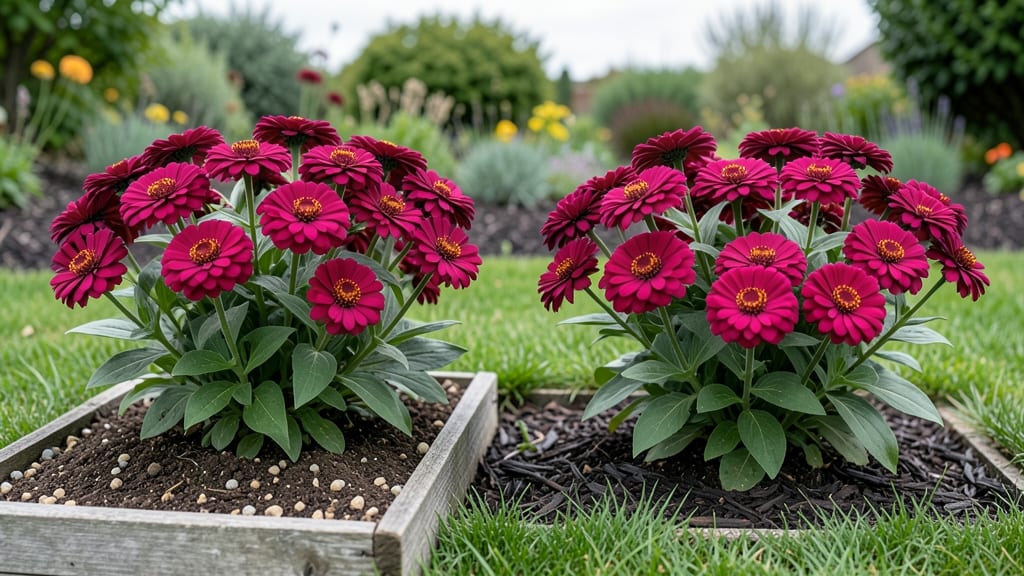
The poem ‘Sisters are the same flowers from a different garden’ captures how siblings share core traits but grow into distinct individuals—like plants with identical roots thriving in separate soils. This imagery highlights both genetic bonds and personal growth, celebrating unity while honoring individual paths.
The flower metaphor in this poem does more than describe sisterhood—it explains why sisters feel both connected and unique. 🌸 Just as flowers inherit their parent plant's DNA but develop differently based on sunlight, soil, and care, siblings carry family traits while forming their own personalities.
This duality makes the imagery powerful: the "same roots" represent shared heritage, while "different gardens" acknowledge life's diverse experiences shaping each person's journey.
What makes this metaphor work so well is how it flips the typical sibling comparison trope. Instead of focusing on differences that divide, it celebrates how those differences arise from the same foundation.
For example, two sisters might inherit their mother's artistic talent but express it through painting versus music—both valid, both beautiful outcomes from the same creative roots.
💡 In This Article
- The Botanical Symbolism Behind the Poem’s Flower Metaphor
- How to Cultivate Unity and Individuality in Sibling Relationships
The botanical symbolism behind the poem’s flower metaphor
Flowers make perfect symbols for sisters because they embody both genetic inheritance and environmental adaptation—the two forces shaping sibling relationships. Botanically, flowers from the same parent plant (like roses or tulips) share identical genetic material, much like siblings who inherit traits from the same parents.
These shared roots create the "same" foundation in the poem, while the "different garden" represents how each plant develops based on its unique soil composition, sunlight exposure, and care.
For example, two peony plants grown from the same cutting might produce flowers of identical color in a controlled greenhouse, but place one in full sun and another in partial shade, and their petal sizes and bloom times will diverge dramatically.
The contrast between "same" and "different" becomes even more fascinating when you examine how flowers respond to their environments. 🌱 Take hybrid tea roses as an example: while they all share the same parentage, their growth patterns vary based on soil pH (acidic vs. alkaline), watering frequency, and even the presence of companion plants.
This mirrors how siblings might inherit similar temperaments but develop differently based on family dynamics, cultural backgrounds, or personal experiences. The poem's genius lies in capturing this scientific truth about plant genetics while applying it to human relationships.
Gardening techniques further illustrate this metaphor. Pruning, for instance, shows how shared care can shape growth—just as parents provide similar upbringing to siblings. However, the "different garden" aspect reminds us that even with identical pruning, each plant's response depends on its unique position in the garden.
This explains why two sisters raised in the same household might make vastly different life choices: they're like flowers receiving the same care but growing in slightly different corners of the yard, each developing their own beauty based on their specific conditions.
Consider the botanical concept of phenotypic plasticity—the ability of genetically identical organisms to develop different traits based on environmental factors. This explains why two sisters might inherit their mother's height gene but express it differently (one reaching 5'6" while the other hits 5'10") due to nutrition, health, and lifestyle factors.
The poem elegantly captures this biological reality while making it emotionally relatable. When you think about it, this scientific principle is what makes sibling relationships so rich: the same genetic blueprint expressed through countless environmental variables creates beautiful diversity within unity.
The "different garden" aspect also introduces the idea of selective pressures—how each flower's environment determines which traits become prominent. For sisters, this translates to how life experiences (like moving to different cities or pursuing different careers) shape their personalities.
Just as a flower grown in poor soil might develop deeper roots to survive, a sister facing challenging circumstances might develop resilience and adaptability that their sibling in more favorable conditions might not. This duality explains why sisters often say they understand each other's struggles in ways outsiders never could.
What most people overlook is how this botanical metaphor extends to the concept of companion planting in gardens—where different plants support each other's growth. Similarly, sisters often provide emotional and practical support that helps each other thrive, even as they pursue individual paths.
The poem's imagery subtly reminds us that while sisters may grow in different gardens, they're still part of the same garden's ecosystem, each contributing to the family's overall beauty and strength.