
Tools
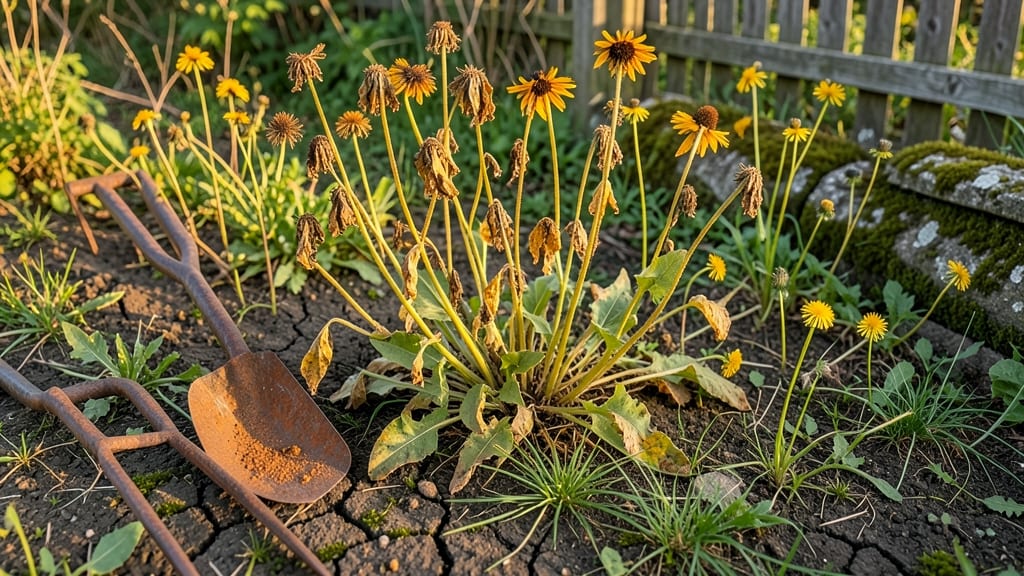
The rusted garden appears when fungal spores infect plants like roses, beans, and tomatoes in damp, humid conditions, causing orange-brown pustules that weaken foliage and spread rapidly. Proper removal and prevention are essential to protect garden health.
A rusted garden isn't just an eyesore—it's a sign of fungal infection called plant rust, caused by microscopic spores that thrive in moist, warm environments.
These spores latch onto susceptible plants like roses or tomatoes, creating those telltale orange-brown spots that eventually kill leaves. 🌱 The problem spreads faster than you'd think, jumping from plant to plant via wind or water splashes, which is why early detection matters.
Unlike regular rust on tools, this version is contagious and can devastate your garden if left unchecked.
Most gardeners don't realize how quickly rust can take over until it's too late. The spores lie dormant in soil or plant debris until conditions are perfect—think afternoon humidity or overwatered beds. Once active, they punch through plant tissues, creating those puffy pustules that look like tiny volcanoes.
The good news? You can stop it in its tracks with the right approach—think copper-based sprays, proper pruning, and even choosing rust-resistant plant varieties for your next season.
💡 In This Article
- How Fungal Rust Develops in Garden Plants
- Safe Rust Removal and Garden Protection Strategies
How fungal rust develops in garden plants
The orange-brown pustules you see on infected plants are actually teliospores, the reproductive stage of rust fungi. These spores form in specialized structures called sori on the undersides of leaves, where they develop after the fungus completes its complex lifecycle.
The spores are microscopic—typically 20-40 micrometers in size—but pack a powerful punch. They remain dormant until conditions become ideal, which usually means warm temperatures (60-80°F) combined with high humidity or leaf wetness for 6-12 hours. 🌱
What makes rust so aggressive is its heteroecious lifecycle, meaning it often requires two different host plants to complete its cycle. For example, the common bean rust fungus (Uromyces appendiculatus) alternates between beans and nearby weeds.
When spores land on a susceptible plant, they germinate within 4-6 hours under moist conditions, sending out haustoria—specialized fungal threads that pierce plant cells to extract nutrients. This invasion triggers the plant's defense response, leading to those characteristic pustules as the fungus prepares for its next spore stage.
Certain plants are more vulnerable because of their leaf structure. Roses, for instance, have soft, hairy leaves that trap moisture, creating perfect conditions for spores to germinate. Tomatoes and beans also lack the thick waxy cuticles found on more resistant plants like squash.
The fungus exploits these weaknesses by producing appressoria—tiny suction cup-like structures that help it penetrate the plant's outer layer. Once inside, the rust fungus can spread through the plant's vascular system, blocking nutrient flow and causing chlorosis (yellowing) before the leaves die.
Wind plays a crucial role in rust spread, carrying spores up to 10 miles in some cases. Raindrops can also splash spores from infected leaves onto healthy plants, which is why overwatering or overhead irrigation systems accelerate outbreaks.
The spores can survive in soil or plant debris for 1-2 years, waiting for the right conditions to reactivate. This persistence is why gardeners often see rust return year after year in the same location.
Interestingly, some plants have evolved resistance mechanisms. For example, certain wheat varieties produce preformed antifungal compounds that inhibit rust growth, while others trigger rapid cell death around infection sites to contain the fungus.
Understanding these plant-fungus interactions helps explain why some garden varieties thrive while others succumb quickly. The key difference often comes down to genetic resistance combined with proper cultural practices that reduce fungal pressure.
What most gardeners overlook is how environmental stress makes plants more susceptible. Drought followed by sudden watering, nutrient deficiencies, or physical damage from pests all weaken plants, making them easier targets.
This is why a healthy garden with balanced soil and good airflow naturally resists rust better than one under stress. The connection between plant health and rust resistance is a critical piece of the puzzle most people miss.