
Vegetables
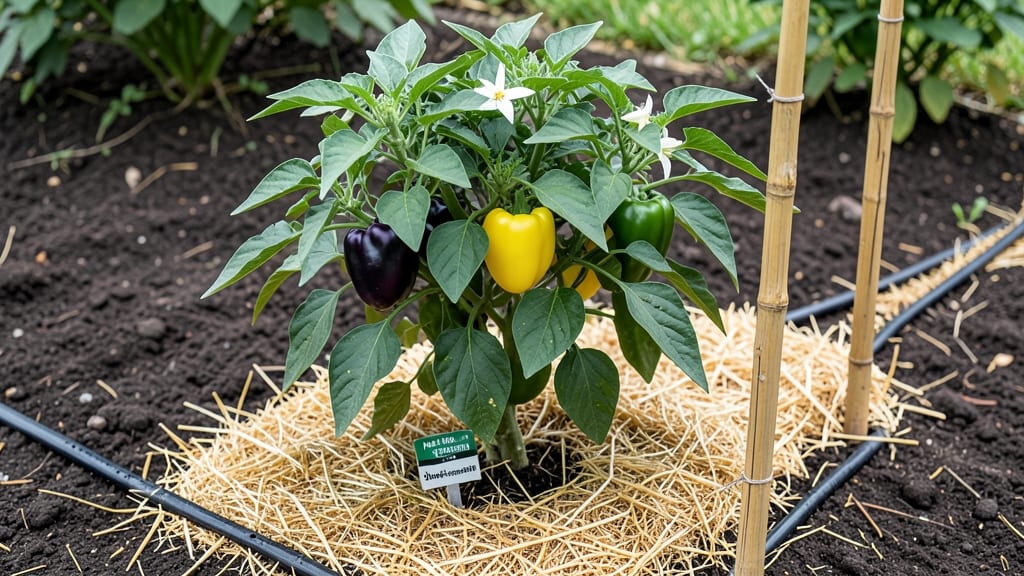
Planting weather bell gardens after your last frost date—typically 2-3 weeks before the average last frost—maximizes growth potential. Use frost protection like cloches or row covers to extend the season into fall, and select cold-tolerant varieties such as 'Sugar Ann' or 'Golden' for reliable yields.
Timing is everything with bell peppers, especially since they're sensitive to cold. 🌱 The key is balancing early planting with frost risk—most varieties need soil temperatures above 55°F to germinate.
I've found that starting seeds indoors 8-10 weeks before the last frost gives them a head start, while hardier varieties can handle cooler soils. Microclimates (like urban areas or south-facing slopes) can push planting windows by 1-2 weeks earlier, so always check local frost records.
Once planted, protecting your bell gardens from late frosts is crucial. Row covers work wonders for light frosts (28°F), while cloches create microclimates that can raise temperatures by 5-10°F.
For urban gardeners, DIY solutions like old plastic bottles or even upside-down buckets can double as mini cold frames. The goal is to keep plants growing without stress—bell peppers won’t recover from frost damage, so prevention is your best strategy.
💡 In This Article
- How Climate Zones Affect Bell Pepper Planting Timing
- Frost Protection Methods for Bell Gardens in Unpredictable Weather
How climate zones affect bell pepper planting timing
Bell peppers are tropical plants at heart, meaning they thrive in warm conditions but struggle when temperatures dip below 55°F—their germination threshold.
The USDA climate zone system directly impacts planting windows because colder zones (like 3-5) have shorter growing seasons, while warmer zones (7-10) can extend planting into late spring or even early fall.
For example, in Zone 5, where average last frosts occur around May 15, you’d plant bell peppers 2-3 weeks before that date, but in Zone 9, you could start as early as February with minimal frost risk.
The magic number for bell pepper growth is 75–85°F—this temperature range triggers optimal photosynthesis and fruit development.
Below 60°F, growth slows dramatically, and prolonged exposure to 45°F or lower causes chilling injury: dark, water-soaked spots on leaves or even blossom end rot on peppers. 🌡️ This is why cold-hardy varieties like 'Sugar Ann' (which tolerates 50°F soils) are game-changers in marginal zones.
Their thicker stems and waxy leaves help them recover faster from temperature fluctuations.
Microclimates add another layer of complexity. Urban areas, for instance, can be 5–10°F warmer than rural zones due to heat absorption by buildings and pavement—this "urban heat island" effect might let you plant 1–2 weeks earlier in cities.
Similarly, south-facing slopes or raised beds warm up faster in the morning, creating pockets where you can push planting dates. Always scout your garden’s microclimate by monitoring soil temperatures with a thermometer for 3–5 days before planting.
Another critical factor is day length. Bell peppers are short-day plants, meaning they need 12–14 hours of daylight to set fruit—this is why late-summer plantings in northern zones often yield poorly.
In Zone 4, for example, you might only get 3–4 months of ideal growing conditions, so succession planting (staggering sowings every 2 weeks) maximizes harvests. Conversely, in Zone 10, where winters are mild, you can plant in fall for a second harvest before summer heat arrives.
To visualize this, consider these zone-specific guidelines:
- Zones 3–4: Start seeds indoors 10–12 weeks before last frost; use row covers until soil warms to 60°F.
- Zones 5–6: Direct-sow 2–3 weeks after last frost; opt for 'Golden Wonder' (tolerates 55°F soils).
- Zones 7–10: Plant anytime after soil reaches 60°F; consider fall plantings for winter harvests.
What most gardeners overlook is the role of nighttime temperatures. Bell peppers need nighttime lows above 60°F to set fruit—cooler nights (common in Zones 6–7) can stall flowering. This is why varieties like 'Carmen' (which sets fruit at 65°F nights) outperform standard types in cooler climates.
Pairing the right variety with your zone’s temperature patterns is the secret to consistent yields.