
Tools
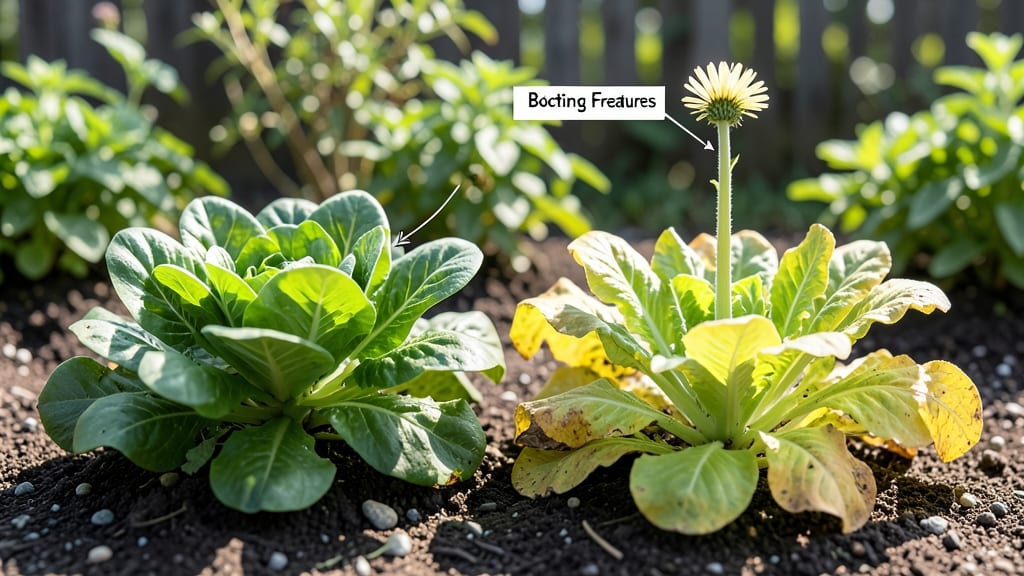
Bolting in gardening means when leafy greens suddenly shoot up tall flower stalks, turning bitter and inedible. This happens when plants sense stress from heat, drought, or age, triggering a rapid shift from leaf production to flowering.
When plants bolt, they're essentially racing to reproduce before conditions become unfavorable. 🌱 This process is driven by hormonal changes—specifically, a surge in ethylene and shifts in auxin levels—that override the plant's natural growth patterns.
Many gardeners first notice bolting when their once-tender lettuce or spinach suddenly develops a woody stem and bitter leaves, making them unappealing for harvest. The good news? Understanding the triggers can help you take preventive action, like providing consistent moisture or using shade cloth during heatwaves.
Different plant varieties have varying thresholds for bolting—some bolt quickly in warm weather, while others resist longer. For example, heat-tolerant varieties like Malabar spinach or Swiss chard are better choices for hot climates.
Even if bolting occurs, you can still salvage young leaves before bitterness sets in, though the plant's overall harvest quality will decline.
💡 In This Article
- Why Do Plants Bolt and How Stress Triggers It
- Preventing and Managing Bolting in Your Garden
Why do plants bolt and how stress triggers it
Bolting happens when plants shift from vegetative growth to reproductive mode, triggered by a complex hormonal cascade. The key players are ethylene (a ripening hormone) and auxin (a growth regulator). When plants sense stress—like sudden heat spikes above 75°F—ethylene production surges, while auxin levels drop.
This hormonal shift sends the plant into "reproduction mode," causing rapid stem elongation and flower development. 🌱 The process is nature's way of ensuring plants reproduce before conditions become too harsh.
Environmental factors accelerate bolting through specific mechanisms. For example, day length triggers bolting in some plants (called long-day plants), while others respond to temperature thresholds. Lettuce, for instance, bolts when nights stay above 60°F for several days.
Drought stress also plays a role—when roots struggle to absorb water, the plant perceives this as a signal to reproduce quickly. Even slight water stress can cause bolting within 7-10 days, turning tender greens into bitter, woody stalks.
Plant genetics determine how quickly bolting occurs. Some varieties are bred for slow bolting, like 'Black Seeded Simpson' lettuce, which can withstand 80°F temperatures longer than standard types. Others, like arugula, bolt aggressively in warm weather, making them better suited for cool-season gardens.
The plant's age matters too—older leaves often bolt first because they've accumulated more stress signals over time. 💡 This is why young seedlings can sometimes be harvested before bolting sets in.
Bolting isn't just about temperature or water—light quality matters too. Plants exposed to intense sunlight (especially UV radiation) produce more ethylene, speeding up bolting. This is why shade cloth (providing 30-50% shade) can delay the process in heat-prone areas.
Even the soil's mineral content plays a role: plants in nutrient-rich soil may bolt later because they're less stressed. For example, adding compost can extend the harvest window by 2-3 weeks in some cases.
Here’s a quick breakdown of the stress triggers and their effects:
- Heat stress: Temperatures above 75°F for 3+ days trigger bolting in most leafy greens
- Drought stress: Even mild water deficits can cause bolting within 7-10 days
- Day length: Long-day plants (like lettuce) bolt when daylight exceeds 14 hours
- Nutrient stress: Poor soil fertility accelerates bolting by 10-20%
The bitterness in bolted leaves comes from compounds like glucosinolates (in brassicas) and alkaloids (in nightshades), which plants produce to protect their reproductive structures. This is why bolted spinach or kale tastes harsh—it’s the plant’s way of saying, "Eat me? No, I’m reproducing!" 🌿