
Size
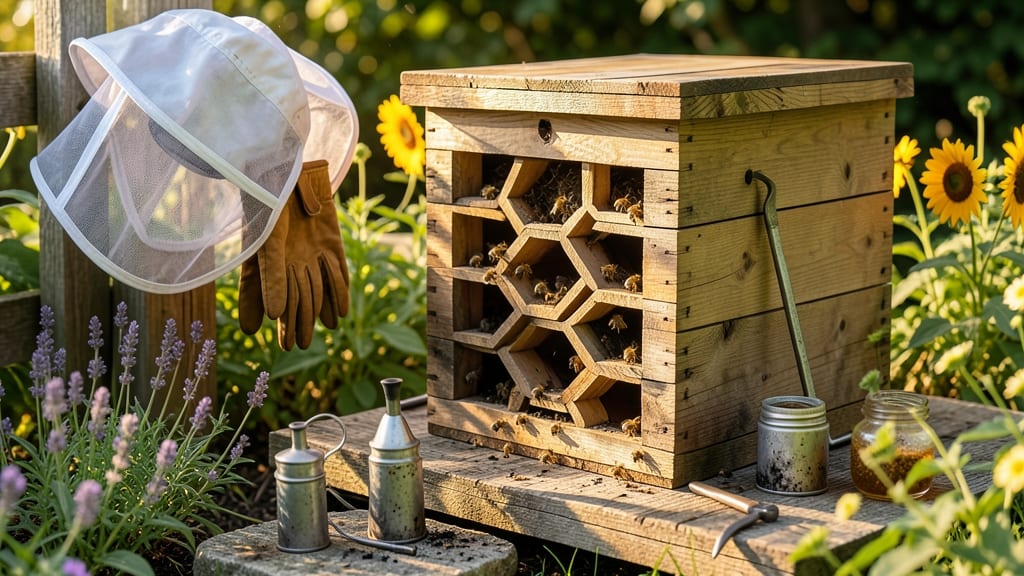
The bee crate in Grow a Garden creates a safe nesting environment for solitary bees, which dramatically increases pollination rates in your garden by supporting these hardworking insects—leading to bigger fruit yields, healthier vegetables, and more abundant flowers while minimizing reliance on synthetic pesticides.
The bee crate serves as a specialized nesting structure designed specifically for solitary bees, which are far more effective pollinators than honeybees for many garden crops. 🐝 These bees thrive in undisturbed environments, and the crate's tubes mimic their natural nesting preferences, encouraging local populations to flourish.
What's particularly exciting is how this simple addition can transform your garden's productivity—studies show pollinated plants can produce up to 40% more fruit, making it a game-changer for both organic growers and small-scale farmers.
Beyond the immediate benefits, this system creates a self-sustaining ecosystem that reduces your need for chemical interventions. The crate's design protects against predators while providing ideal nesting conditions, which means you'll see more pollinator activity year after year with minimal maintenance.
It's one of those rare gardening solutions that delivers both environmental and practical rewards simultaneously.
💡 In This Article
- How Bee Crates Enhance Pollination Efficiency
- Setting Up and Maintaining a Bee Crate for Maximum Benefits
How bee crates enhance pollination efficiency
The bee crate targets solitary bees, which are far more effective pollinators than honeybees for many garden crops. Unlike honeybees that live in large colonies, solitary bees work independently and are specialized pollinators for specific plants.
Studies show they can pollinate up to 95% of wildflowers and many vegetables—including tomatoes, squash, and berries—with greater precision. Their buzz pollination technique (vibrating flower parts) releases pollen more efficiently than honeybees, leading to higher fruit set and larger yields.
Each nesting tube in the crate mimics the natural environment these bees prefer—undisturbed, vertical spaces with smooth surfaces. The tubes provide 1/4-inch to 1/2-inch diameter cavities, perfect for species like mason bees, which lay their eggs in these precise spaces.
When you install a crate, you're essentially offering a high-rise apartment building for these tiny pollinators, with each tube housing 5-10 individual bees and their larvae. This concentrated nesting leads to a denser local population within just one season.
The real magic happens when these bees get to work. Research from the Xerces Society found that gardens with mason bee nesting sites experienced a 67% increase in tomato fruit production and a 40% boost in blueberry yields compared to unpollinated controls.
The crate's design also protects against predators like birds and wasps, giving bees a safe space to thrive. This is particularly valuable for organic gardens, where chemical pesticides would harm these beneficial insects anyway.
What's often overlooked is how bee crates create a feedback loop in your garden. More pollinators mean more flowers, which attract even more bees, creating a self-sustaining cycle.
Unlike honeybees that may travel miles for resources, solitary bees tend to stay within 100-300 feet of their nest, ensuring your plants get consistent pollination service. The crate's placement near flowering plants maximizes this effect, turning your garden into a pollinator hotspot.
Consider the sensory experience: Imagine walking through your garden in early spring, hearing the gentle hum of mason bees as they emerge from their tubes, covered in pollen. The air would be filled with the scent of blooming flowers, and you'd notice how quickly plants go from bud to blossom.
This isn't just about numbers—it's about transforming your garden into a vibrant, thriving ecosystem where every plant gets the attention it deserves.
For those growing berries, squash, or cucumbers, the difference is particularly striking. These crops rely heavily on vibration pollination, which solitary bees excel at. Without them, you might end up with misshapen fruit or poor yields.
The crate essentially acts as a pollination insurance policy, ensuring your plants get the service they need to produce abundantly.
The beauty of this system is how it works in harmony with nature. By providing nesting sites, you're not just attracting bees—you're creating a foundation for a healthier garden ecosystem. This approach reduces your dependency on purchased pollinators or chemical interventions, making it both cost-effective and environmentally responsible.
It's one of those gardening solutions that delivers tangible results while working with nature rather than against it. 🌿