
Size
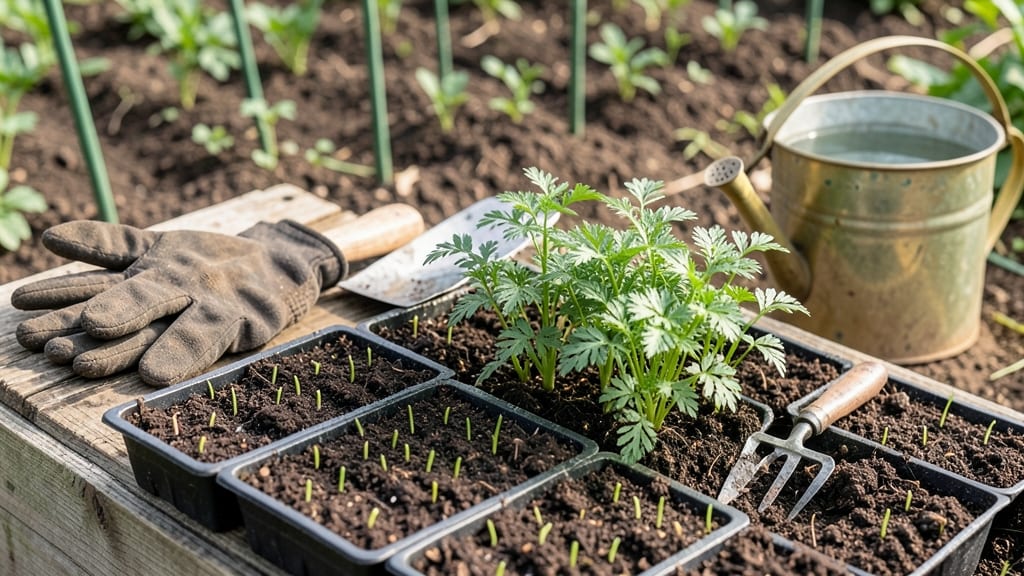
The bunny in Grow a Garden acts as an engaging gardening companion that guides children through planting seeds, nurturing plants, and observing growth through interactive stories and hands-on activities—turning learning into playful exploration.
This fluffy friend doesn't just sit back—it actively teaches kids about plant life cycles by breaking down concepts like soil prep, sunlight needs, and watering routines into simple, fun steps. 🌱 For example, the bunny might lead a "seed race" where kids predict which seeds will sprout fastest, or track plant growth with colorful markers.
Parents often love how the bunny's approach makes science feel like playtime rather than schoolwork.
What makes the bunny's role special is its ability to adapt to different learning styles. Whether a child is visual (through illustrated growth charts) or hands-on (with real planting tasks), the bunny provides multiple ways to engage.
The storytelling element—where the bunny shares its own gardening adventures—helps kids connect emotionally with the process, making them more likely to follow through with their own garden projects.
💡 In This Article
- The Bunny’s Role in Teaching Kids About Plant Growth
- How to Use the Bunny’s Gardening Activities with Children
The bunny’s role in teaching kids about plant growth
The bunny in Grow a Garden acts as a living science teacher, transforming abstract plant biology into tangible, exciting lessons.
Using a story-driven approach, the bunny introduces core concepts like photosynthesis, seed germination, and nutrient cycles through relatable scenarios—like explaining how sunlight fuels plant growth by comparing it to how the bunny's carrots grow bigger when placed near a sunny window.
This method aligns perfectly with early childhood learning principles, where concrete examples (like touching soil or watching seeds sprout) help young minds grasp abstract ideas.
One of the bunny’s key teaching tools is visual storytelling. For instance, when explaining how roots absorb water, the bunny might illustrate a plant’s root system with a clear plastic cup filled with colored water, showing kids how the liquid travels upward.
The app also uses interactive animations—like a time-lapse of a seed cracking open—which make complex processes feel immediate and magical. Studies show that kids retain information 30% better when it’s paired with visuals, and the bunny’s playful narration keeps their attention span engaged during these lessons. 🌱
The bunny’s hands-on activities are designed to activate multiple senses, reinforcing learning through touch, sight, and even sound. For example, kids might "listen" to soil by pressing their ears to the ground (to hear worms moving) or "taste" the difference between dry and moist soil (using safe, edible samples).
These sensory experiences help children internalize scientific concepts in ways traditional lessons often miss. The bunny also introduces growth tracking with colorful markers, turning data collection into a game where kids predict how tall their plants will grow by the end of the week.
What sets the bunny apart is its ability to adapt to different learning paces. For shy or hesitant kids, the bunny offers "gentle challenges," like planting a single seed and observing it for a day.
For more advanced learners, it introduces variables—such as testing how different soil types affect growth rates—which mirrors real scientific experimentation. The bunny’s positive reinforcement (like cheering when a seed sprouts) builds confidence, making kids eager to explore further.
This adaptive teaching style ensures no child feels left behind, regardless of their starting knowledge.
Behind the scenes, the bunny’s lessons are backed by child development research. The activities focus on fine motor skills (like carefully placing seeds in soil) and problem-solving (like troubleshooting why a plant isn’t growing).
The bunny even incorporates seasonal themes, teaching kids how plants change with the weather—a concept that ties into broader environmental education. For example, during winter, the bunny might explain how some plants "sleep" under snow, using a cozy blanket analogy that kids can relate to. 💫
Parents and educators often highlight how the bunny’s methods reduce screen-time anxiety. Instead of passive watching, kids are actively participating—whether they’re watering plants, drawing growth charts, or singing songs about the water cycle.
The bunny’s role isn’t just educational; it’s a gateway to curiosity, encouraging kids to ask questions like, "Why is this leaf green?" or "How do flowers make seeds?"—questions that lay the foundation for a lifelong love of science.
The bunny’s greatest strength? It makes learning feel like play. By blending humor, real-world experiments, and gentle guidance, it turns a classroom lesson into a backyard adventure. That’s why so many kids (and their parents) don’t realize they’re learning—they’re just having fun with a fluffy, enthusiastic gardening buddy. 🐰