
Tools
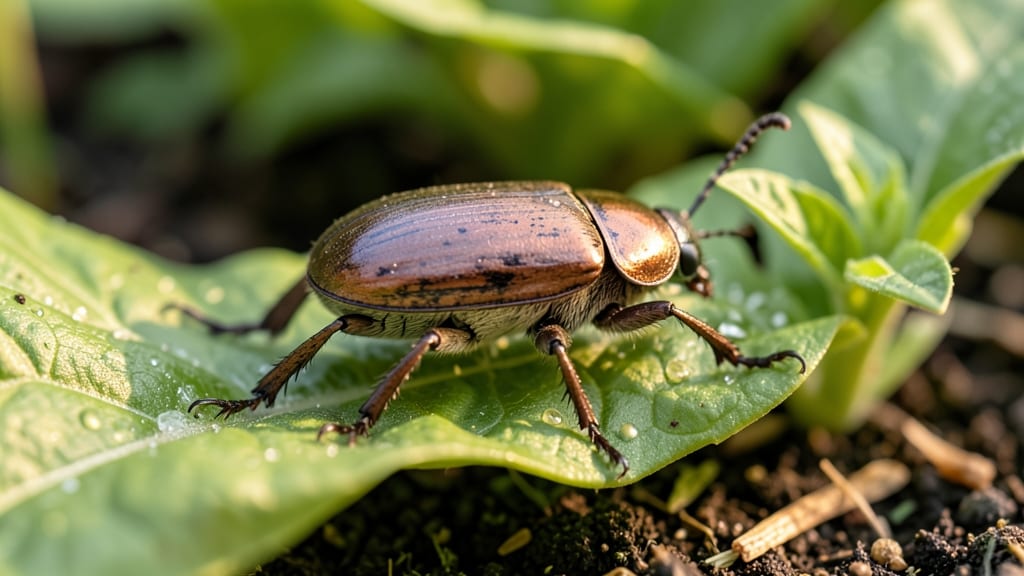
Birds like thrushes and blackbirds, predatory beetles such as ground beetles, amphibians like frogs and toads, and small mammals including hedgehogs and shrews all eat garden snails. These natural predators play a crucial role in maintaining balanced snail populations in gardens and ecosystems.
Nature's pest control team relies on these hunters to keep snail numbers in check, often without any help from humans. 🌿 Birds spot snails by following their silvery trails at dawn or dusk, while ground beetles use their sharp jaws to crush snail shells.
Frogs and toads ambush snails near water sources, and hedgehogs dig through soil to uncover hidden snail populations. Each predator has its own strategy—some hunt at night, others during the day—creating a layered defense system for your garden.
What's fascinating is how these predators adapt to different environments. For example, thrushes will peck at snails left exposed after rain, while ground beetles prefer damp, shaded areas where snails gather.
This diversity means your garden's snail population is naturally regulated by a mix of daytime and nighttime hunters, reducing the need for chemical interventions.
💡 In This Article
- Natural Predators of Garden Snails and Their Hunting Methods
- Encouraging Snail Predators in Your Garden for Organic Pest Control
Natural predators of garden snails and their hunting methods
Garden snails face a diverse array of predators, each employing unique strategies to locate and consume them. Birds like thrushes and blackbirds rely on visual cues—particularly the silvery mucus trails snails leave behind—which glisten in sunlight, making them easy to spot.
These birds often hunt at dawn or dusk when snails are most active, using their sharp beaks to peck at exposed snails or their trails. Studies show thrushes can consume up to 50 snails per day during peak seasons, making them one of the most effective natural controls. 🔥
Predatory beetles, such as ground beetles, take a more direct approach. These nocturnal hunters use their powerful jaws to crush snail shells, often targeting snails hiding in leaf litter or under rocks. Ground beetles are particularly effective in damp environments, where snails are most abundant.
Their hunting success rates increase by 30-40% in gardens with moist, shaded areas, as these conditions align with snail activity patterns. Unlike birds, beetles don’t rely on visual trails but instead use their keen sense of smell to detect snails.
Amphibians like frogs and toads play a crucial role in controlling snail populations near water sources. These predators ambush snails using their sticky tongues, which can extend up to two-thirds of their body length in a fraction of a second.
Frogs are especially effective in gardens with ponds or damp soil, where snails gather to hydrate. Toads, on the other hand, prefer drier areas but still rely on moisture to locate snails through their chemical trails.
Their hunting success is highest during warm, humid nights, when snails are most active.
Small mammals, including hedgehogs and shrews, contribute to snail control through digging and foraging. Hedgehogs, for instance, use their snouts to sniff out snails buried in soil or hidden under debris, consuming them whole. A single hedgehog can eat 100-150 snails per night, making them highly efficient predators.
Shrews, though smaller, are equally effective in targeting snails in leaf litter or under logs. Their high metabolic rates mean they need to hunt frequently, often consuming 1-2 snails per hour during active periods.
The diversity of these predators ensures a balanced ecosystem where snail populations are naturally regulated. Birds and beetles handle daytime and nighttime hunting, while amphibians and mammals fill niche roles based on habitat preferences.
This layered defense system reduces the need for chemical interventions, offering a sustainable solution for gardeners. 🌿
Understanding these hunting methods can help gardeners create environments that naturally attract these predators. For example, leaving leaf litter or log piles provides shelter for beetles and mammals, while shallow water sources encourage frogs and toads.
By supporting these natural allies, you’re not just controlling snails—you’re fostering a healthier, more resilient garden ecosystem.