
Tools
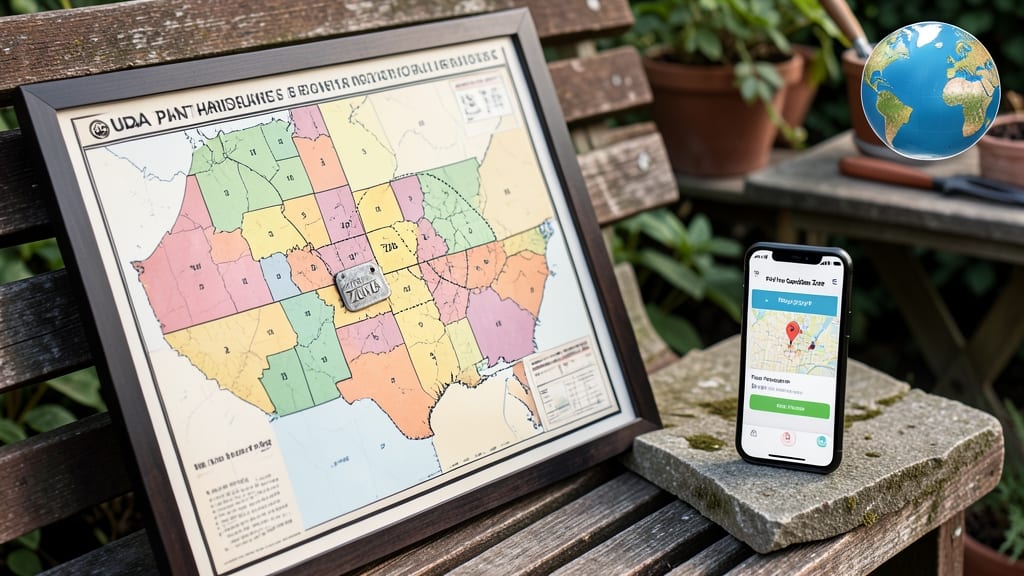
To determine what garden zone you live in, check the USDA Plant Hardiness Zone Map by entering your ZIP code or address. This map divides North America into 13 zones based on average annual minimum temperatures, helping you select the right plants for your climate.
Your garden zone is determined by your area's average coldest winter temperatures, which the USDA updates every 10 years to reflect climate shifts. 🌱 For example, Zone 5 (average -15°F to -10°F) is very different from Zone 9 (20°F to 25°F), so knowing your zone helps you avoid planting tender annuals in freezing climates.
Many gardeners also adjust for microclimates—areas near buildings or slopes may experience 2-5°F warmer conditions than the official zone.
Once you've found your zone, you can match plants to their hardiness ranges. The USDA map even includes a half-zone system (like 6b vs. 6a) for more precision.
For instance, if you're in Zone 7a, you'll need plants that tolerate down to 0°F to 5°F, while Zone 7b plants handle 5°F to 10°F. This distinction can mean the difference between a thriving garden and frost-damaged plants.
💡 In This Article
- How USDA Plant Hardiness Zones Determine Your Garden Success
- Step-by-Step Guide to Finding Your Exact Garden Zone
How USDA plant hardiness zones determine your garden success
The USDA Plant Hardiness Zone Map divides North America into 13 zones based on the average annual minimum temperature—the coldest temperature expected to occur in any given year.
These zones range from Zone 1 (-60°F to -50°F) in Alaska to Zone 13 (60°F to 70°F) in Hawaii, with each zone further split into "a" and "b" subzones for 5°F increments.
This classification helps gardeners predict which plants will survive winter, as most plants have a minimum temperature tolerance they can't exceed.
Here's how it works: the map uses 30 years of climate data to calculate these averages, ensuring accuracy. For example, a plant labeled "hardy to Zone 6" will survive winters where temperatures don't drop below -10°F to 0°F.
If you're in Zone 5 (-20°F to -10°F), that same plant would likely die in an average winter. 🌡️ The map also accounts for frost-free days, which affect growing seasons—Zone 10 (warmest) has nearly year-round growing potential, while Zone 3 (coldest) limits planting to 90-120 days annually.
Microclimates add another layer of complexity. Your yard might experience warmer temperatures than the official zone due to factors like:
- Urban heat islands: Pavement and buildings can raise temps by 2-5°F
- Elevation: Higher altitudes are 3-5°F colder per 1,000 feet
- Water bodies: Lakes or rivers create milder zones within 100-200 feet of shore
Why does this matter? Plants in the wrong zone suffer from freeze damage, stunted growth, or failure to flower. For instance, a peony (Zone 3-8) planted in Zone 9 will struggle in winter, while a bougainvillea (Zone 9-11) won't survive Zone 5 winters.
The USDA system ensures you choose plants with a 90% survival rate in your climate, saving time and resources.
Even experienced gardeners make mistakes here. I once planted dwarf lilacs (Zone 3-7) in my Zone 8 backyard—only to watch them die after a -5°F snap in early spring.
The lesson? Always verify a plant's hardiness range against your zone, and consider seasonal adjustments like mulching or winter protection for borderline plants.
For long-term success, pair your zone with local climate records. Websites like PlantMaps.com or your state's agricultural extension office provide heat zone data (for summer plant selection) and rainfall averages, completing the picture. This holistic approach turns gardening from guesswork into a science-backed practice.