
Tools
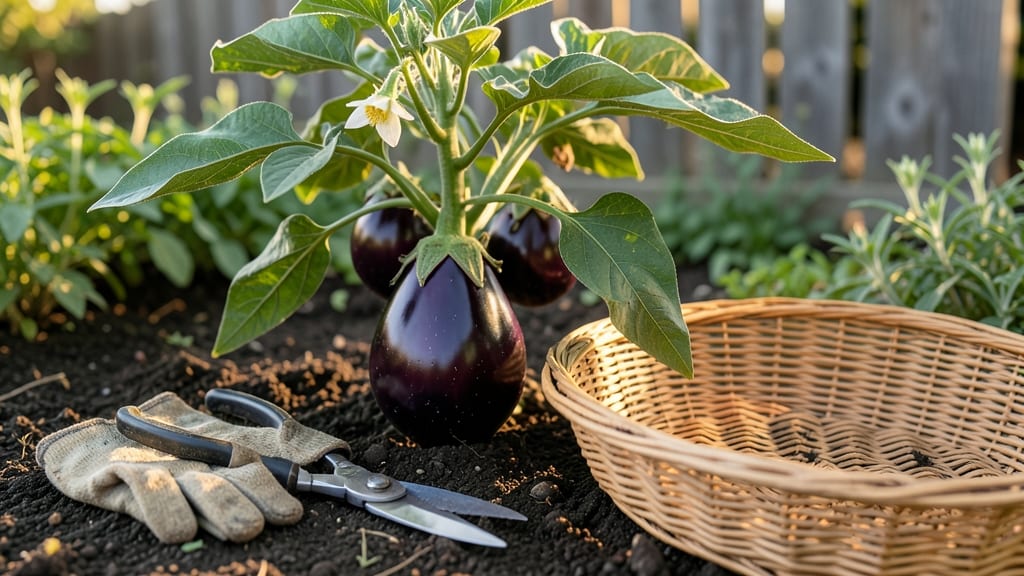
A garden egg is the West Indian gherkin (Cucumis anguria), a small, bumpy, lime-green fruit commonly used in Caribbean cooking for pickling, salads, and hearty stews. Its crisp, tangy bite makes it a standout ingredient.
A garden egg isn't actually an egg—it's a tropical cucumber relative with a distinct, bumpy texture and a flavor profile that's more intense than regular cucumbers. 🌱 In Caribbean cuisine, it's a versatile star, often pickled for tangy bites or fried until golden for a satisfying crunch.
The name comes from its egg-like shape when unripe, though it grows larger and develops a rough, textured skin as it matures.
What sets this fruit apart isn't just its appearance but its culinary flexibility. While traditional cucumbers are typically eaten raw, garden eggs shine when cooked—think stir-fries, soups, or even as a meat substitute in vegan dishes.
Their high vitamin C content and low calorie count also make them a nutrition powerhouse for health-conscious eaters.
💡 In This Article
- Botanical Profile of West Indian Gherkin (Garden Egg)
- Culinary Uses and Health Benefits of Garden Eggs
Botanical profile of West Indian gherkin (garden egg)
The West Indian gherkin belongs to the Cucurbitaceae family, sharing lineage with cucumbers, melons, and pumpkins. Unlike smooth-skinned cucumbers (Cucumis sativus), this plant produces fruits with distinctive 12-15 raised ridges running vertically, giving them a textured, almost armored appearance.
These bumps aren't just for show—they contain specialized cells that regulate moisture retention, allowing the fruit to thrive in tropical climates where humidity fluctuates dramatically.
Garden eggs grow on vining plants that can spread 10-15 feet horizontally, with tendrils that cling to trellises or other supports. The flowers are small and yellow, producing fruits that start 1-2 inches long when unripe (resembling eggs) but can grow up to 4 inches when fully mature.
The skin's lime-green color comes from chlorophyll and carotenoids, which protect the fruit from excessive sunlight while it develops. 🌿 Unlike cucumbers, which are typically harvested young, garden eggs are often used at various stages of ripeness, with unripe specimens being more tart and ripe ones developing a slightly sweet undertone.
This plant thrives in warm climates between 70-90°F, making regions like Jamaica, Trinidad, and Florida ideal growing zones. The vines are sensitive to frost, which explains why garden eggs are rarely found outside tropical and subtropical areas.
Interestingly, the plant's roots produce a natural compound called cucurbitacin, which deters pests—a chemical defense mechanism shared with other cucurbits like bitter melon.
What makes the garden egg's skin unique is its epidermal cell structure. Under magnification, you'd see the bumps are formed by elongated cells that create a honeycomb pattern.
This texture isn't just cosmetic—it reduces water loss by 30% compared to smooth cucumbers, allowing the fruit to stay crisp longer even when exposed to high heat. The ridges also create micro-environments that trap moisture, which is why garden eggs maintain their crunch when cooked properly.
Comparing it to other cucurbits: while cucumbers have smooth, thin skins and okra has fibrous pods, garden eggs strike a balance with their textured yet tender exterior. The bumps disappear slightly when cooked, but the fruit's internal structure remains firm, making it ideal for both raw and cooked preparations.
This dual functionality sets it apart in Caribbean cuisine, where versatility is key.