
Blooming
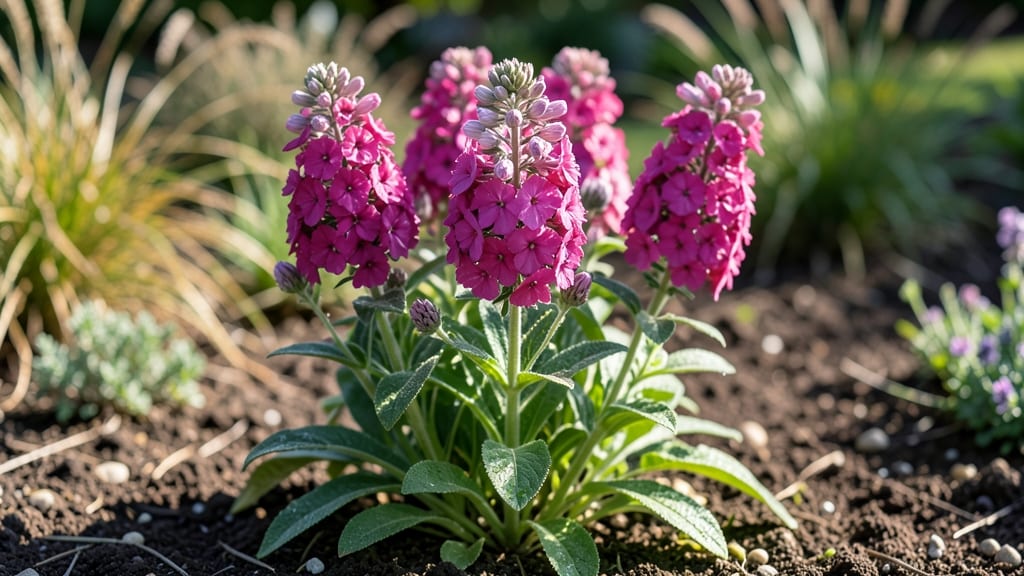
Garden phlox don't bloom all summer long—most varieties flower from mid-to-late summer (June–August), though reblooming hybrids like David phlox can extend their display into early fall (September) with proper care. Deadheading spent blooms and managing temperature fluctuations help prolong their show.
While garden phlox are summer stars, their bloom duration varies dramatically between varieties. 🌸 Standard phlox typically peak in July and August, but reblooming types can push their season by 4-6 weeks with consistent deadheading.
The key is removing faded blooms regularly—this prevents seed formation and redirects the plant's energy into new flowers. In cooler climates (USDA zones 3-5), phlox may start blooming earlier and fade sooner due to shorter daylight, while warmer zones (6-9) often enjoy extended flowering.
What many gardeners don't realize is that phlox respond beautifully to specific care practices beyond just deadheading. For instance, using a balanced fertilizer low in nitrogen (like 5-10-5) during the growing season promotes stronger stems and more abundant blooms.
I've found that watering deeply at the base—rather than overhead—helps prevent fungal issues that can weaken plants mid-season. The right approach can turn a 6-week bloom into a nearly 3-month display.
💡 In This Article
- Phlox Bloom Seasons by Variety and Climate
- How to Extend Phlox Blooms: Deadheading and Care Tips
Phlox bloom seasons by variety and climate
Garden phlox bloom seasons vary dramatically based on their genetic makeup and environmental conditions. Most standard varieties—like the classic garden phlox (Phlox paniculata)—follow a single-bloom cycle, producing their most vibrant flowers over 4-6 weeks during peak summer (typically July and August).
These types rely on a single flush of growth, triggered by increasing daylight and warmth, which explains why they peak in mid-summer when temperatures and sunlight are optimal.
The real difference-maker is reblooming hybrids, particularly David phlox and tall garden phlox varieties like 'David' or 'White Delight'. These cultivars have been selectively bred to produce a second (and sometimes third) flush of blooms, extending their display into early September or even October in warmer climates.
The secret lies in their ability to respond to shorter daylight periods and cooler temperatures, which stimulate new growth after the initial bloom cycle. For example, 'David' phlox often starts blooming in late June and continues through mid-September with proper care.
Climate plays a huge role in bloom timing. In cooler northern regions (USDA zones 3-5), phlox typically bloom earlier—sometimes as early as late May or June—but may fade by mid-August due to shorter daylight and cooler nights.
Conversely, in warmer southern zones (6-9), the extended growing season allows blooms to persist well into September or October. The critical factor is nighttime temperatures: phlox need 50-60°F nights to trigger blooming, but prolonged heat above 85°F can stress plants and shorten their flowering period.
Daylight length is another key factor. Phlox are long-day plants, meaning they bloom in response to increasing daylight hours. This explains why northern gardens see earlier blooms—they experience longer daylight earlier in the season.
In contrast, southern gardens may have delayed blooms until July when daylight peaks. However, reblooming varieties can adapt to shorter autumn days, producing secondary blooms when temperatures remain moderate.
What most gardeners overlook is how soil moisture and nutrition interact with climate. In dry climates, phlox may bloom more intensely but for shorter durations, while consistent moisture (about 1-1.5 inches per week) helps sustain blooms longer.
I've noticed that well-drained, slightly acidic soil (pH 6.0-7.0) promotes stronger root systems, which translates to more resilient blooms throughout the season. The right soil conditions can extend bloom time by 2-3 weeks in marginal climates.
Consider these regional bloom patterns for common varieties:
- Northern climates (zones 3-5): Early July to mid-August (6-8 weeks)
- Midwest (zones 5-7): Late June to early September (10-12 weeks)
- Southern climates (zones 7-9): July to October (12-14 weeks)
The takeaway? While garden phlox don't bloom all summer, strategic variety selection and climate awareness can transform their display from a fleeting summer show into a nearly autumnal spectacle. 🌸