
Tools
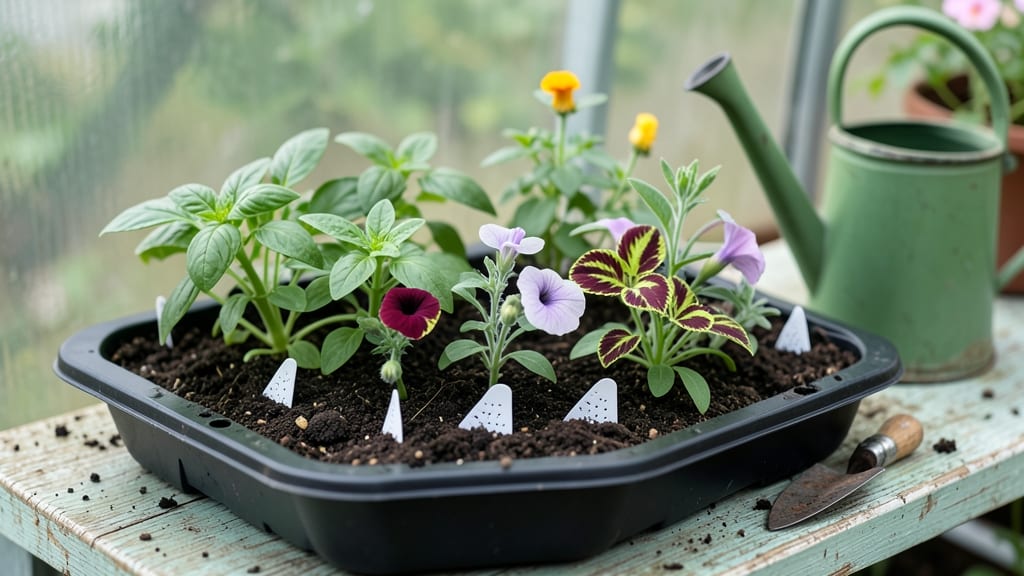
A garden nursery is a specialized facility where young plants—seeds, seedlings, or saplings—are cultivated, nurtured, and sold to gardeners and landscapers before transplantation into gardens or outdoor spaces. These hubs provide healthy, disease-resistant starter plants tailored to regional climates and gardening needs.
A garden nursery serves as the starting point for many plants' life journeys, offering more than just seedlings. 🌱 These facilities use controlled environments to grow plants from seeds or cuttings, ensuring they're strong enough to thrive in home gardens.
I've seen nurseries specialize in everything from delicate herbs to hardy perennials, often providing expert advice on care and placement. The key advantage? You're getting plants that are already adapted to your local growing conditions, which dramatically improves success rates.
What sets a good nursery apart is its focus on quality control—regular pest checks, proper watering systems, and climate adjustments to prevent stress. 💛 Whether you're looking for annual flowers, fruit trees, or native shrubs, nurseries offer curated selections that match your garden's needs.
Many also provide workshops or guides to help beginners understand plant care basics.
💡 In This Article
- How Garden Nurseries Propagate and Grow Plants
- Types of Garden Nurseries and What They Offer Gardeners
How garden nurseries propagate and grow plants
Garden nurseries employ a mix of traditional and advanced horticultural techniques to produce healthy starter plants. The process begins with seed germination, where seeds are sown in controlled environments with precise temperature (65-75°F) and humidity levels to trigger sprouting.
Some nurseries use hydroponic systems, where plants grow in nutrient-rich water solutions instead of soil, accelerating growth by up to 30% compared to traditional soil methods. This method is particularly effective for leafy greens and herbs, which thrive in these sterile, nutrient-optimized conditions. 🌱
The most common propagation method, however, is cutting propagation, where stem or leaf cuttings from parent plants are placed in a growing medium to develop roots. Nurseries often use rooting hormones to boost success rates, especially for woody plants like roses or lavender.
For example, a 6-inch cutting of a rose bush can develop roots in just 2-4 weeks under ideal conditions—humidity domes and bottom heat mats help maintain the right moisture and warmth. Soil composition is also critical; many nurseries blend organic matter like compost with perlite to improve drainage and aeration.
Climate control plays a pivotal role in nursery operations. Greenhouses equipped with automated systems regulate temperature, light exposure, and ventilation to mimic ideal growing conditions year-round. For instance, during winter, supplemental grow lights provide 12-16 hours of light daily to compensate for shorter daylight hours, ensuring consistent growth.
Pest prevention is another key focus—nurseries use integrated pest management (IPM) techniques, such as beneficial insects like ladybugs to control aphids, rather than relying on chemical pesticides. This approach maintains plant health while minimizing environmental impact. 💛
Nurseries also employ growth acceleration techniques to get plants ready for sale faster. For example, foliar feeding—applying liquid nutrients directly to leaves—can increase growth rates by 20-40% in some plants.
Additionally, nurseries often use mycorrhizal fungi, which form symbiotic relationships with plant roots, enhancing nutrient absorption and drought resistance. These fungi are especially beneficial for trees and shrubs, helping them establish stronger root systems before transplantation.
One fascinating aspect of nursery operations is the use of transplant shock mitigation techniques. Before selling, plants undergo a hardening-off process, where they're gradually exposed to outdoor conditions (wind, temperature fluctuations) over 7-10 days. This prepares them for the stress of being moved to a home garden.
For instance, a tomato seedling grown in a greenhouse might be placed outside for increasing durations each day, starting with just 1 hour on the first day. This careful acclimation significantly improves survival rates after planting. ✨
Finally, nurseries often specialize in producing plants that are regionally adapted, meaning they're selected or bred to thrive in local climates.
For example, a nursery in the Southwest might focus on drought-tolerant species like succulents or native desert plants, while one in the Pacific Northwest could specialize in shade-loving ferns and rhododendrons. This tailored approach ensures gardeners get plants that are more likely to flourish with minimal additional care. 🌿