
Planting
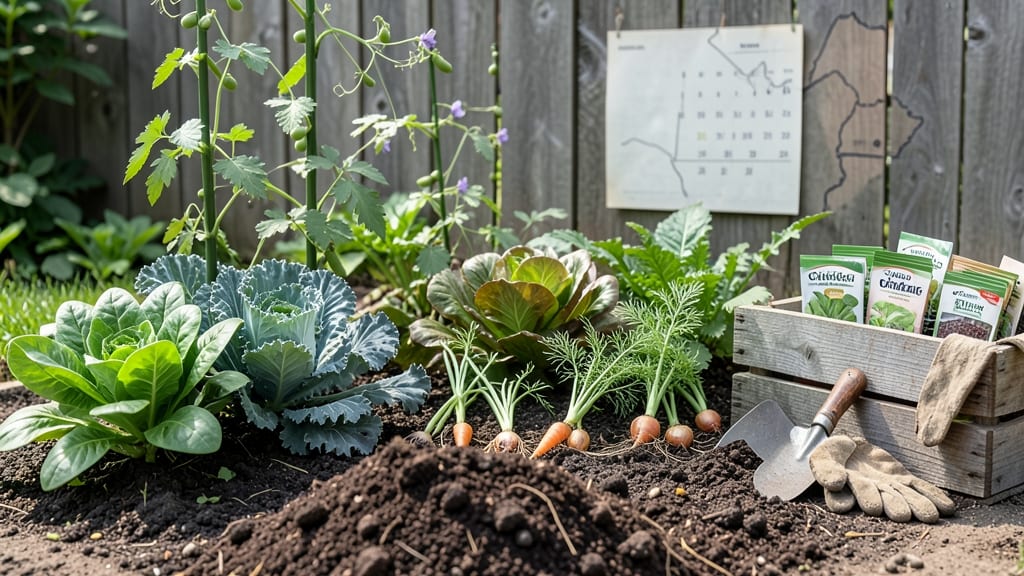
Planting a garden in Michigan at the right time means the difference between a bountiful harvest and a sad, frost-nipped disappointment.
Michigan’s climate throws curveballs—one week you’re dreaming of tomatoes, the next you’re shoveling snow. But with frost dates that shift from Zone 5b in the UP to Zone 6b in southern Michigan, timing isn’t just about guessing. It’s about strategy.
In this guide, I’ll break down the exact frost-free windows for your county, whether you’re in Detroit or Traverse City, and how to adjust for early starts or late falls. No more second-guessing—just confident planting that sets your garden up for success.
You’ll learn which crops thrive when planted in late April (like peas) versus those that need to wait until mid-June (like tomatoes), plus pro tips to stretch your season. Let’s get your 🌱 General Garden off to the best start possible.
Michigan’s frost dates by county: the exact weeks to plant for frost-free success
Michigan’s last spring frost and first fall frost dates vary dramatically across counties, making it critical to know your exact frost-free window. Southern counties like Wayne (Detroit) average 180 frost-free days, while the Upper Peninsula’s Chippewa County sees just 120 days.
These differences mean your tomato or pepper planting window in Traverse City isn’t the same as in Kalamazoo.
To simplify, I’ve broken down last frost dates by county, along with ideal planting windows for warm-season crops (like tomatoes and peppers) and cool-season crops (such as spinach and kale).
Use these as your garden calendar—but remember, microclimates (like urban heat islands or lakeside areas) can shift these dates by 1-2 weeks.
🌱
For warm-season crops like tomatoes, peppers, and squash, wait until 2 weeks after your county’s last frost date. These plants cannot tolerate frost and will die if temperatures dip below 50°F.
In Wayne County, that means planting tomato seedlings no earlier than May 15, while in Chippewa County, hold off until June 1.
Cool-season crops like spinach, kale, and peas are far more flexible. You can direct-sow them 4-6 weeks before your last frost date (e.g., March 15 in Detroit) or 6-8 weeks before your first frost date in fall (e.g., September 1 in Traverse City).
These hardy greens often tolerate light frosts and may even sweeten after a frost!
How to adjust planting times for Michigan’s unique climate challenges
Michigan’s climate throws curveballs—one week can bring warm sunshine and the next, a killing frost. To beat these challenges, I’ve learned to use protective tools and flexible timing strategies.
Whether you’re in the Upper Peninsula or southern Michigan, these adjustments will help you maximize your growing season and avoid common pitfalls like frost damage or stunted growth.
Start by mastering the 7-day rule for transplanting seedlings. This means moving young plants outdoors only when nighttime temperatures stay above 50°F for 7 consecutive days. For high-risk zones like Marquette or Sault Ste.
Marie, add an extra week of caution. I also track real-time frost alerts using the Michigan State University Extension app to stay ahead of sudden temperature drops.
- Use row covers to extend planting by 2-3 weeks in spring and fall. Lightweight fabric traps heat and protects seedlings from light frosts down to 28°F.
- Set up cold frames for hardy greens like kale or spinach. These low-cost structures can push harvests into late October or even early November.
- For warm-season crops (tomatoes, peppers), start seeds indoors 6-8 weeks before your last frost date. Use grow lights to ensure strong seedlings ready for transplanting.
- Plant fast-maturing varieties like bush beans or radishes in early May for quick harvests before summer heat sets in.
- In Zone 4 areas (e.g., UP), opt for cold-hardy crops like potatoes or cabbage—they tolerate cooler soils and late springs.
- Monitor soil temperature with a soil thermometer. Most vegetables need soil at least 50°F; cool-season crops like peas can handle 40°F.
- Create a planting checklist for your county. Include frost dates, seed-starting deadlines, and hardening-off schedules for seedlings.
Don’t forget about microclimates—your garden’s location matters. A south-facing slope warms up faster than a shady corner, so adjust planting times accordingly. I’ve seen tomato plants thrive in a sunny spot while struggling just 10 feet away in partial shade.
Use mulch to regulate soil temperature and retain moisture, especially in sandy soils common in northern Michigan.
For fall planting, focus on cool-season crops like broccoli or carrots. Start seeds 8-10 weeks before your first frost date. In southern Michigan, this might mean late July, while in the UP, aim for early August.
Always leave room for succession planting—replace early harvests with new seeds to keep your garden productive all season.
Finally, embrace season extension with hoop houses or low tunnels. These simple structures can add 4-6 weeks to your growing season, letting you plant spinach in early April or lettuce in late September. Pair this with drip irrigation to keep plants hydrated without overwatering—critical in Michigan’s unpredictable rainfall.
With these strategies, you’ll turn Michigan’s climate challenges into opportunities for a longer, more productive garden. The key is flexibility—stay informed, adapt quickly, and enjoy the rewards of a well-timed harvest! 🌱