
Container Gardens
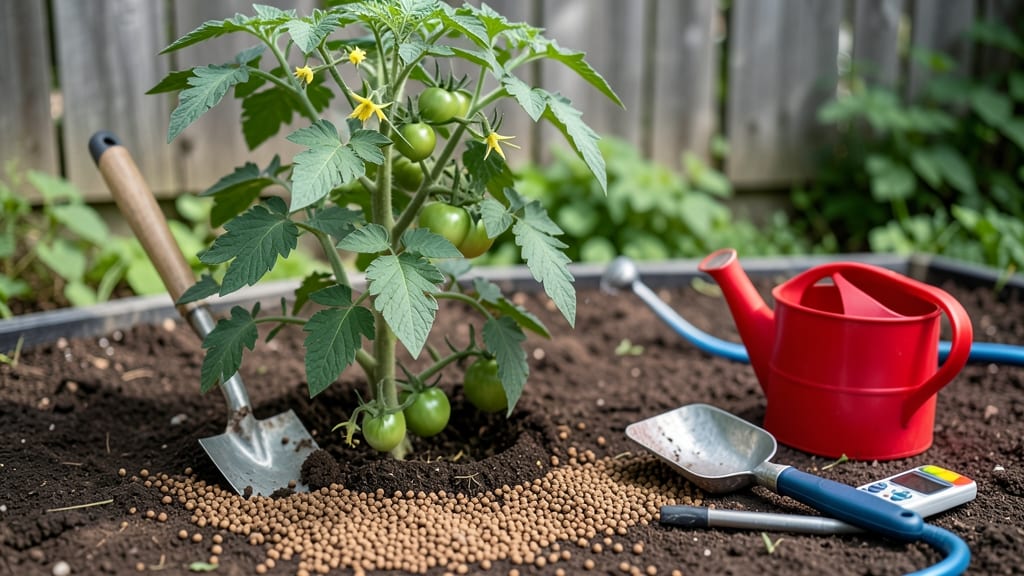
To determine when to add fertilizer to your garden, check soil test results first, then fertilize in early spring before planting and again mid-season for flowering or fruiting plants. Avoid fertilizing during extreme heat or drought to protect plant roots.
Timing matters more than you might think—soil tests reveal exactly what your garden needs. 🌱 For instance, if your soil is nitrogen-deficient, early spring feeding gives plants the boost they need to establish strong roots before summer's demands.
Mid-season applications support blooming plants like tomatoes or roses by replenishing nutrients as they grow. I've learned that organic fertilizers like compost or bone meal release nutrients gradually, while synthetic options work faster but require more precise timing.
Your local climate plays a role too. In warmer regions, fertilizing in early fall can help perennials store nutrients for next year's growth, while cooler zones might benefit from a light feeding in late summer. Always water thoroughly after applying fertilizer to help nutrients reach the roots without burning them.
💡 In This Article
- How Soil Test Results Determine Fertilizer Timing
- Seasonal Fertilizer Schedule for Common Garden Plants
How soil test results determine fertilizer timing
Soil tests reveal three critical numbers: nitrogen (N), phosphorus (P), and potassium (K) levels, each measured in parts per million (ppm).
For example, a reading of 50-100 ppm nitrogen suggests your soil needs a boost for leafy greens like lettuce, while phosphorus levels below 20 ppm indicate poor root development—common in sandy soils where nutrients wash away quickly.
The test also measures pH, which affects nutrient availability: acidic soils (pH < 6.0) lock out phosphorus, while alkaline soils (pH > 7.5) reduce iron uptake. 🌱
These results dictate both what and when to fertilize. Organic options like compost or manure release nutrients slowly over weeks, making them ideal for early spring applications when plants need steady growth. Synthetic fertilizers, however, provide immediate nitrogen—perfect for mid-season feeding when tomatoes or peppers demand quick nutrient uptake.
For instance, a soil test showing 120 ppm potassium might call for a potassium-rich fertilizer like greensand in late summer to support flowering plants.
Timing also depends on nutrient mobility: nitrogen moves easily with water, so light applications every 4-6 weeks prevent leaching, while phosphorus stays fixed in soil, requiring less frequent but heavier doses.
I've noticed that container gardens dry out faster, so their nutrients deplete quicker—requiring more frequent testing (every 6-12 months) compared to in-ground beds (every 2-3 years).
Seasonal variations matter too. In Zone 5 climates, early spring (March-April) fertilizing aligns with soil warming to 50°F, while Zone 9 gardens might need fall applications (September-October) to avoid summer heat stress.
The key is matching fertilizer type to your soil's current state: slow-release for deficient soils, quick-release for established plants needing a boost during active growth.
Don't overlook secondary nutrients like calcium or magnesium—deficiencies show as yellowing leaves (calcium) or poor flowering (magnesium). A soil test revealing low calcium might mean applying gypsum in early spring to prevent blossom-end rot in tomatoes.
The test results become your garden's nutritional roadmap, telling you exactly when to feed and what your plants truly need.
For container gardens, test more frequently since nutrients deplete faster. I've found that potted plants often need monthly liquid feeds during peak growing season (May-September) to maintain vigor.
The soil test's micronutrient analysis (zinc, copper) helps too—low zinc shows as stunted growth, easily corrected with a zinc sulfate spray in early summer.