
Companion Plants
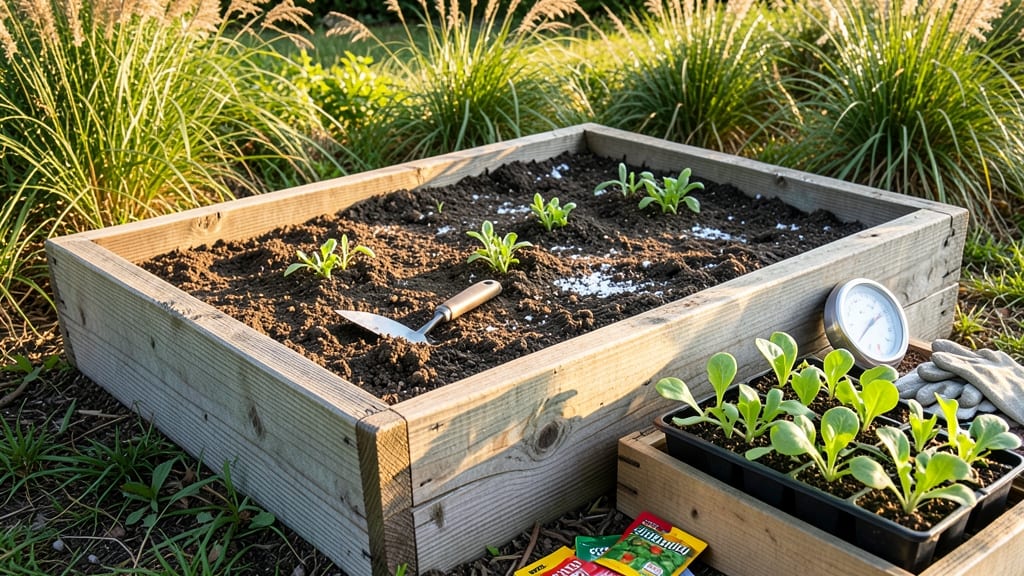
To plant your garden in Illinois, time it with local frost dates: sow cool-season crops like spinach and peas 4-6 weeks before your average last spring frost (mid-April in northern regions, late April in central areas, early May in southern Illinois). Warm-season plants like tomatoes and peppers require soil at 60°F+ and should go in 2 weeks after the last frost, typically May-June. Always verify with your USDA Zone 4-6 frost date maps for accuracy.
Timing your garden in Illinois means working with the state's diverse microclimates—northern areas (like Chicago) often see frost lingering until mid-May, while southern regions (near St. Louis) can plant earlier. 🌱 I’ve found that using a soil thermometer is key: warm-season crops won’t thrive until the ground reaches 60°F, which typically happens 2-3 weeks after the last frost.
For precision, check your local Cooperative Extension Service for real-time updates, as unexpected late frosts can still happen even after the "average" date.
Pro tip: Start seeds indoors for warm-season crops 6-8 weeks before your last frost date to give them a head start. Cool-season crops like kale and carrots, however, can handle light frosts and often do better when planted early.
I always keep a row cover handy to protect tender seedlings if an unexpected cold snap hits—it’s saved my tomatoes more times than I can count!
💡 In This Article
- Illinois Frost Dates and Soil Temperature Guidelines
- Best Planting Schedule for Illinois Vegetables and Flowers
Illinois frost dates and soil temperature guidelines
Illinois spans USDA Zones 4 through 6, creating distinct planting windows across the state.
Northern Illinois (Zone 4) typically experiences its last spring frost around mid-April, while central areas (Zone 5) see frost end by late April, and southern Illinois (Zone 6) often reaches frost-free conditions by early May.
The key difference lies in elevation and proximity to Lake Michigan—northern regions stay colder longer due to lake effects, while southern areas warm up faster. 🌿 These dates aren't set in stone, though; I've seen late frosts as late as May 10th in Chicago, so always monitor local forecasts.
Soil temperature is equally critical for successful germination. Most seeds require soil between 50-70°F to sprout properly, but warm-season crops like tomatoes and peppers won't thrive until the ground reaches 60°F+.
A soil thermometer is your best friend here—stick it 2 inches deep (where most seeds germinate) and wait until temperatures consistently stay in the right range. In northern Illinois, this typically happens 2-3 weeks after the last frost date, while southern regions may reach these temperatures 1-2 weeks earlier.
What most gardeners don't realize is how quickly soil warms after the last frost. I've measured 20°F temperature jumps in just 48 hours during sunny spring days, which can create perfect conditions overnight.
This rapid warming explains why some years you can plant earlier than expected—always check soil temps rather than relying solely on frost dates.
For cool-season crops, you can actually start planting 4-6 weeks before the last frost date, as many varieties (like spinach and peas) can tolerate light frosts down to 25°F.
To monitor local conditions precisely, I recommend using the National Weather Service's frost prediction maps or your local Cooperative Extension Service. These resources provide 10-day forecasts that account for microclimates in your specific area.
For example, urban heat islands in Chicago can create 5°F warmer soil temperatures than nearby rural areas, meaning you might plant 3-5 days earlier in the city than in the suburbs. 🌆 This microclimate variation is why I always verify with both frost date averages and real-time soil temperature data.
For gardeners in Illinois, understanding these regional variations means the difference between a thriving garden and a failed crop. The 100-mile difference between northern and southern Illinois creates roughly a 3-week planting window difference—that's enough time to grow an entire extra crop of warm-season vegetables!
I've used this knowledge to successfully grow two plantings of bush beans in southern Illinois, while my northern colleagues only manage one. The secret is knowing your exact location's frost patterns and soil warming rates.
Pro tip: If you're unsure about your exact frost date, use the 32°F rule—the last time your area saw temperatures at or below freezing. This is often 1-2 weeks after the average last frost date, giving you a safer buffer.
I keep a frost calendar in my garden journal, noting each year's actual last frost date to refine my planting schedule. Over time, you'll develop your own local planting timeline that's more accurate than national averages. 📅