
Tools
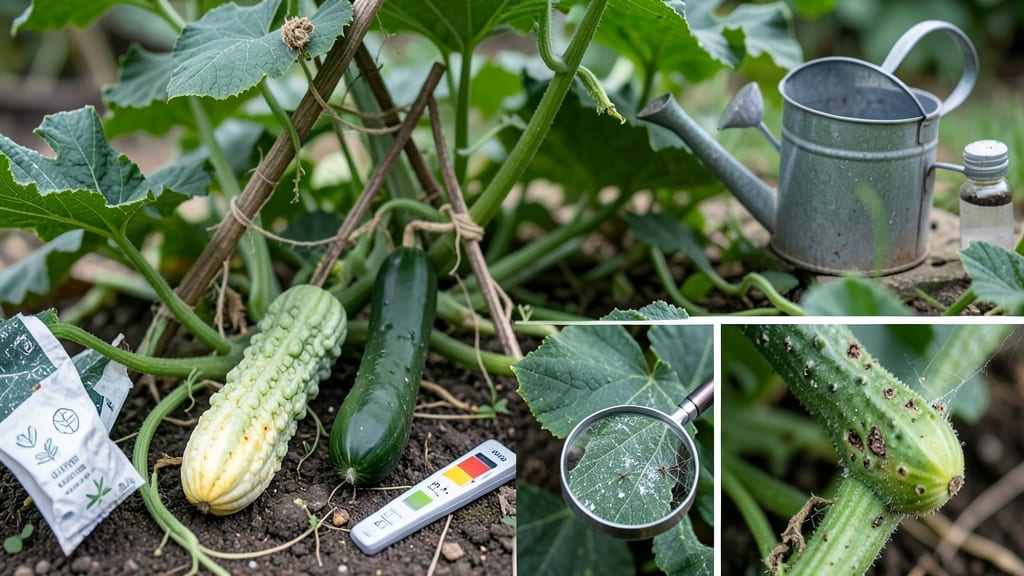
Your garden cucumbers turn bitter when they’re overripe, stressed by heat, or starved for water—three fixable issues that can ruin an otherwise perfect harvest.
Picture this: you’ve nurtured your 🥒 plants all season, only to bite into a cucumber that tastes like soap. That’s the frustration of bitterness creeping in, and the good news is you can reverse it fast.
The key lies in timing, hydration, and a little shade when the sun gets too intense.
Overripe cucumbers develop bitter compounds as they mature, while heat stress or uneven watering triggers the same unwanted flavor. But with a few simple tweaks—like harvesting at the right size or adjusting your watering schedule—you’ll bring back that crisp, sweet crunch in just 7 days.
Below, I’ll walk you through the top 5 fixes to restore sweetness, from checking soil moisture to swapping varieties for naturally milder flavors. No more bitter surprises at harvest time!
5 Common reasons your garden cucumbers taste bitter (and how to fix them)
There’s nothing worse than biting into a homegrown cucumber only to find an unpleasant bitter taste ruining your fresh snack. This common issue frustrates even experienced gardeners, but the good news is that bitterness usually signals a fixable problem—not a lost crop.
Understanding the root cause is the first step to restoring that crisp, sweet flavor you love. Let’s break down the most frequent reasons your cucumbers turn bitter and how to reverse it fast.
Cucumbers develop bitterness primarily due to cucurbitacin accumulation, a natural compound that spikes when plants experience stress. While small amounts are harmless, excessive bitterness makes them unpalatable. The triggers? Often simple oversights like overwatering, heat stress, or harvesting too late.
The key is catching these issues early and adjusting your care routine. With a few targeted changes, you can transform your bitter harvest into sweet, garden-fresh cucumbers in as little as a week.
Too much water dilutes soil nutrients and triggers stress hormones that boost bitterness. Check soil moisture by sticking your finger 1-2 inches deep—it should feel damp but not soggy.
Cucumbers become bitter as they overripe. Harvest when they’re 6-8 inches long and the stem end turns yellow. Use a sharp knife to avoid damaging vines.
Temperatures above 90°F (32°C) cause cucumbers to produce more cucurbitacins. Use shade cloth (30-50%) during peak afternoon sun and mulch to retain soil moisture.
Yellowing leaves or weak vines signal nutrient starvation. Feed plants with a balanced fertilizer (5-10-10) or compost tea every 4-6 weeks during growing season.
If bitterness persists even after adjusting care, try sweet cucumber varieties like ‘Sweet Success’ or ‘Marketmore 76.’ These are bred to minimize cucurbitacins.
Let’s tackle the most common issue first: watering problems. Overwatering is a sneaky culprit because soggy soil suffocates roots, forcing plants to produce stress hormones that trigger bitterness.
To fix this, I recommend watering deeply but infrequently—aim for 1 inch of water per week, delivered in the morning to allow foliage to dry before evening. Use a moisture meter or the "squeeze test" (grab a handful of soil; if it crumbles, it’s dry enough).
If your soil drains poorly, amend it with compost or perlite to improve aeration.
Next, let’s address harvesting too late, which is the easiest fix but often overlooked. Many gardeners assume cucumbers are ready when they’re large, but size alone isn’t the marker.
Instead, focus on three key signs: a yellow stem end, deep green skin, and firmness that yields slightly when pressed. If you’ve missed the window, don’t despair—simply harvest the bitter ones (they’re still edible if peeled) and redouble your efforts with the next batch.
For future reference, set a weekly harvest reminder to avoid over-maturation.
When temperatures soar above 90°F (32°C), cucumbers enter survival mode, producing bitter compounds as a defense mechanism. To combat this, I’ve found shade cloth to be a game-changer.
Install 30-50% shade cloth over vines during the hottest months (June-August) and keep the soil consistently moist with drip irrigation to reduce stress. If you’re in a particularly hot climate, consider succession planting in early spring or late summer to avoid peak heat periods.
Even a light breeze from a small fan can help reduce heat stress on leaves.
Nutrient deficiencies often fly under the radar, but they’re a major contributor to bitterness. Cucumbers thrive in well-balanced soil with adequate potassium and magnesium. If your plants show yellowing leaves (especially older ones) or weak stems, it’s time to act.
Mix 1 tablespoon of Epsom salt (for magnesium) into the soil around the base and follow up with a balanced fertilizer (5-10-10). For an organic boost, top-dress with compost or banana peels (rich in potassium). Always water thoroughly after fertilizing to prevent root burn.
Finally, if you’ve ruled out environmental factors and bitterness persists, it might be time to switch varieties. Some cucumbers, like ‘Straight Eight’ or ‘Boston Pickling,’ are notorious for bitterness. Instead, opt for sweet varieties such as ‘Sweet Success’ or ‘Diva,’ which are bred to minimize cucurbitacins.
For next season, keep a variety journal to track which types perform best in your climate. You can also try container growing for better control over soil conditions and watering.
Remember, the goal isn’t perfection—it’s progress. Even if
How to harvest cucumbers at the perfect sweetness stage (with a visual guide)
Harvesting cucumbers at the right moment can transform bitter disappointment into sweet success. The key lies in recognizing visual and textural cues that signal peak ripeness. Most gardeners miss the window because they focus on size alone—but color, stem color, and skin firmness are equally important clues.
Cucumbers develop bitterness when left on the vine too long, thanks to a compound called cucurbitacin that builds up as they mature. This is why timing your harvest isn’t just about getting a cucumber—it’s about getting a sweet, crisp one.
The good news? With these simple checks, you can avoid the bitter trap every time.
Pro Tip: Check your cucumbers twice weekly during peak growing season (June-August). Morning harvests prevent overripeness by reducing daytime heat stress. Now let’s compare what to look for in a perfectly ripe cucumber versus one that’s past its prime.
Use this visual guide to train your eye for the ideal harvest moment. For example, a 6-inch cucumber with a yellow stem end and firm skin is your sweetness goldmine.
In contrast, a 9-inch cucumber with yellow patches and soft spots is a bitter risk—best removed to redirect the plant’s energy to new growth.
Another trick? Harvest in the morning after dew dries. Cooler temps reduce stress on the plant, and cucumbers stay fresher longer. Store them in the crispest drawer of your fridge (not the veggie bin) to maintain quality for up to 5 days.
If you’re growing bush varieties, check smaller fruits first—they often ripen faster than their vining cousins.
Remember: Consistency is key. The more frequently you harvest ripe cucumbers, the more your plants will produce. Skipping harvests leads to overcrowded vines, which stresses plants and encourages bitterness. With this method, you’ll enjoy sweet, crisp cucumbers all season long—no bitter surprises included.