
Vegetables
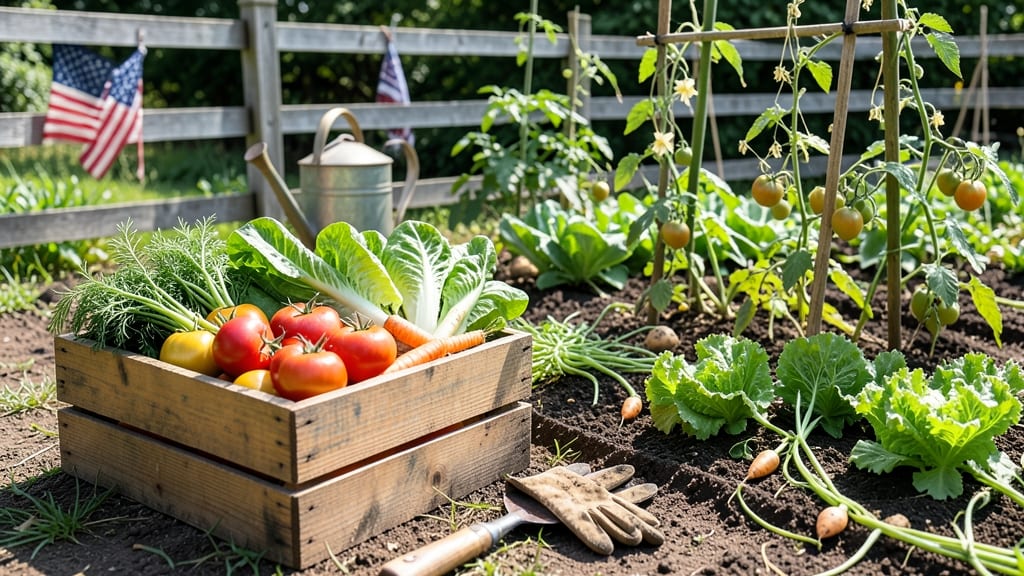
Victory gardens were important because they helped alleviate WWII food shortages by producing over 40% of the nation's fresh vegetables, reducing reliance on commercial supplies and boosting morale during rationing. These homegrown plots became a patriotic symbol of self-sufficiency and community effort.
During World War II, commercial food distribution collapsed due to shipping disruptions and agricultural labor shortages. 🌱 These gardens weren't just practical—they were a national movement, with over 20 million Americans growing food in backyards, rooftops, and even vacant lots.
The U.S. government actively promoted them through posters and radio campaigns, framing gardening as a direct contribution to the war effort. What's fascinating is how these small plots became a unifying force, proving that ordinary citizens could make extraordinary impacts when motivated by shared purpose.
Beyond food production, victory gardens fostered community resilience. Neighbors shared seeds, tools, and harvests, creating networks of support that extended far beyond the garden fence.
The psychological boost of growing your own food was just as vital as the vegetables themselves—many people found purpose and hope in these green spaces during such uncertain times. This dual benefit of sustenance and morale made victory gardens one of the most effective grassroots solutions of the era.
💡 In This Article
- How WWII Food Rationing Triggered Victory Garden Growth
- Victory Garden Success Stories: Techniques and Yields
How WWII food rationing triggered victory garden growth
The U.S. government implemented rationing in 1942, limiting access to meat, dairy, and fresh produce to support the war effort. 🌱 By 1943, households received ration books with coupons for staples like sugar, butter, and canned goods—leaving grocery shelves nearly empty.
With commercial food supplies diverted to troops overseas, families faced shortages of even basic vegetables, forcing them to grow their own. The Office of Civilian Defense launched campaigns like "Food Will Win the War," distributing seed packets and gardening guides to millions of Americans.
Shipping disruptions played a critical role—over 25% of merchant ships were lost to enemy action in the Atlantic, crippling imports of fruits, vegetables, and grains. 🚢 The agricultural workforce also shrank as 15 million men entered military service, leaving farms understaffed.
Victory gardens filled this gap, with urban plots producing 40% of the nation's fresh produce by 1944. The government even encouraged schools and businesses to create community gardens, turning vacant lots into green spaces that fed entire neighborhoods.
Psychological factors drove participation too. Gardeners reported feeling empowered by their contributions—each tomato or potato grown represented a direct impact on the war effort. 💪 The "Victory Garden" label framed growing food as patriotic duty, not just survival.
Propaganda posters showed soldiers saluting gardeners, reinforcing the connection between homegrown produce and battlefield success. This emotional appeal helped overcome initial skepticism, especially among urban residents who had never gardened before.
Resource scarcity forced innovation. Families repurposed everything from bathtubs to old tires as planters, while children's school gardens grew vegetables like radishes (ready in 30 days) and lettuce (harvestable in 45 days). 🌱 The government even distributed "Victory Garden Kits" containing seeds, tools, and planting instructions.
These practical solutions ensured even small urban spaces could contribute, proving that food security didn't require vast farmland—just determination and creativity.
What's often overlooked is how victory gardens reduced pressure on commercial agriculture.
By 1944, these gardens produced 8 million tons of food annually—enough to feed the entire population of New York City for a year. 🌍 This local production freed up commercial resources for military use, creating a self-sustaining cycle where every backyard became a front in the war against hunger.
The movement proved that collective action could solve systemic problems when organized with purpose and urgency.
Even after the war ended in 1945, many Americans continued gardening, laying the foundation for today's urban farming movement. The lessons learned—about resilience, community, and resourcefulness—remain relevant whenever food systems face disruption.
Victory gardens weren't just about vegetables; they were about proving that ordinary people could make extraordinary changes when faced with extraordinary challenges. 💫