
Planting
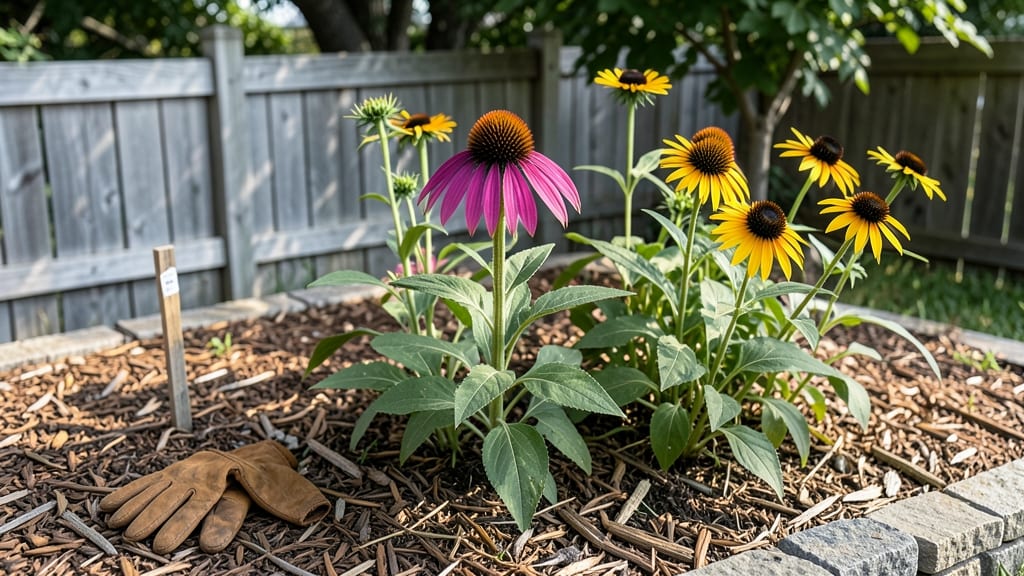
Zone 5B gardening thrives with cold-resistant plants that endure winters down to -15°F (-26°C), featuring hardy perennials like coneflowers and hostas alongside biennials and annuals for seasonal color and productivity.
This region's unique climate—marked by late spring frosts and early fall freezes—demands careful plant selection to maximize survival rates. 🌱 The USDA's Zone 5B designation reflects average minimum temperatures, but microclimates (like south-facing slopes) can create pockets where tender plants might thrive despite the zone's reputation.
Understanding these nuances helps gardeners extend growing seasons through techniques like mulching and row covers, ensuring even delicate crops like kale or spinach can survive mild winters.
For example, while Russian sage and catmint flourish in Zone 5B's harsh winters, they need well-draining soil to prevent root rot—a common issue when temperatures fluctuate. Pairing these with companion plants like thyme improves soil health and deters pests, creating a self-sustaining ecosystem.
The key lies in balancing hardiness with adaptability, so your garden remains vibrant year-round.
💡 In This Article
- Understanding Zone 5B Climate and Plant Hardiness
- Top Cold-Resistant Plants for Zone 5B Gardens
Understanding zone 5B climate and plant hardiness
The USDA Zone 5B designation isn't just about average winter lows of -15°F to -10°F (-26°C to -23°C)—it's a snapshot of your garden's seasonal rhythm.
Here's what's actually happening: Your region typically experiences its last spring frost around April 20-30, while the first fall frost arrives by October 10-20.
These dates create a 140-160 day growing season, which is why selecting plants with staggered bloom times (like early tulips and late coneflowers) maximizes color year-round.
Soil temperature plays a hidden role too. Even when air temps drop below freezing, the ground often stays 5-10°F warmer thanks to insulation from snow cover. This explains why crocus and hellebores emerge in late winter—they're exploiting this thermal buffer.
The opposite happens in early spring when cold air settles into valleys (frost pockets), delaying planting for heat-loving crops like tomatoes until after May 15 when soil reaches 55°F consistently.
Microclimates add another layer of complexity. A south-facing wall can create a 5-10°F warmer zone than your yard's average, allowing you to grow zone 6 plants like hydrangeas successfully. Similarly, dense evergreens create windbreaks that protect tender perennials from drying winter winds.
These variations mean your garden might support 10-15% more plant diversity than the zone suggests if you strategically place cold-sensitive species in sheltered microclimates.
The science behind plant hardiness involves cellular antifreeze proteins. Hardy perennials like Russian sage produce these proteins that prevent ice crystal formation in their cells during -20°F temperatures. This is why they survive Zone 5B winters while zone 6 plants often suffer damage.
The trade-off? These hardy species often have slower growth rates in summer compared to their southern counterparts, which is why mulching with 3-4 inches of straw helps maintain root-zone warmth during the growing season.
What most gardeners overlook is how snow cover duration affects survival. Areas with 30+ inches annual snowfall (like upstate New York) experience milder winter soil temps than drier Zone 5B regions (like Colorado), where 10 inches of snow may only provide 1-2 weeks of insulation.
This explains why shrubs like potentilla thrive in snowy climates but struggle in high-desert Zone 5B gardens where freeze-thaw cycles damage roots.
To maximize success, pair hardiness zone knowledge with planting depth strategies. For example, dahlias (zone 7) can survive Zone 5B winters if planted in 12-inch deep containers buried in the ground—creating an insulated pocket.
Similarly, bare-root roses planted in fall establish deeper roots before winter, giving them a 5°F survival advantage over spring-planted varieties.