
Planting
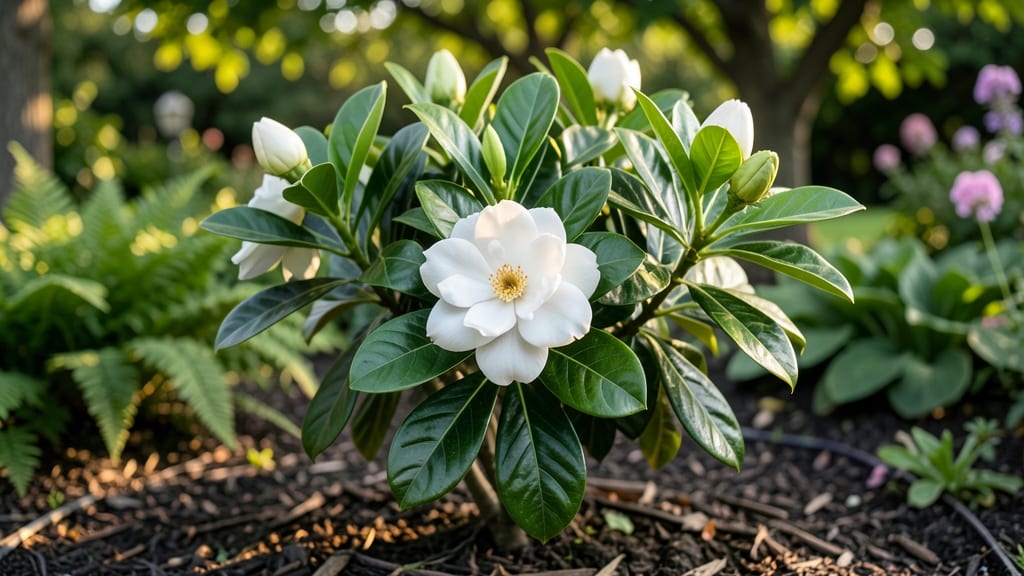
Gardenia plants thrive in Zone 9 with partial shade, consistent moisture, and well-draining soil rich in organic matter. Prune lightly after flowering, fertilize monthly with acid-loving plant food, and protect from harsh afternoon sun to prevent stress or leaf drop.
Zone 9's intense heat and humidity can actually work in your favor if you create the right conditions for these tropical beauties. 🌿 The key is mimicking their natural understory environment—think dappled sunlight filtering through trees, not full sun exposure.
I've seen gardenias in my own backyard reward me with fragrant blooms all summer long by using shade cloth or planting them near taller shrubs that provide natural shelter.
Just remember: while they love humidity, soggy roots are their worst enemy, so that well-draining soil becomes even more critical during our monsoon season.
What often surprises new growers is how sensitive gardenias are to temperature fluctuations. While they handle Zone 9's heat well, they'll drop buds or leaves if exposed to sudden cold snaps below 50°F.
That's why I always move potted gardenias indoors or under a patio cover during unexpected chilly spells. The monthly acid fertilizer isn't just about feeding them—it's about maintaining the soil pH they crave, typically between 5.0 and 6.5, which keeps their roots happy and their blooms abundant.
💡 In This Article
- Climate Challenges for Gardenias in Hot Zones
- Zone 9 Gardening Hacks for Blooming Gardenias
Climate challenges for gardenias in hot zones
Gardenia plants originate from tropical Asia, where they thrive under 70-85°F temperatures with high humidity—conditions that Zone 9 actually provides naturally. However, the challenge lies in balancing this heat with their delicate roots.
The intense afternoon sun in Zone 9 can raise soil temperatures to 95°F+, which stresses their shallow root systems and triggers leaf drop. This is why you’ll often see gardenias struggling in full sun, even when humidity is perfect.
The key is recreating their natural understory environment where sunlight is filtered through tree canopies.
Humidity becomes a double-edged sword in Zone 9. While gardenias adore the 60-75% humidity common in this region, stagnant air and poor airflow create ideal conditions for fungal diseases like powdery mildew.
I’ve noticed this most dramatically during our summer monsoons—when humidity spikes above 80%, gardenias need 30-50% more airflow than in drier climates. This means strategic placement near windows with cross-ventilation or using oscillating fans (set to gentle breeze) during peak humidity hours can make all the difference.
The real villain in Zone 9 gardens is often root rot, caused by the combination of heavy clay soils and inconsistent watering. Gardenias hate soggy feet—when roots sit in waterlogged soil for more than 24 hours, they suffocate and turn black.
This is why amending native soil with 30-40% perlite or orchid bark creates the porous, well-draining medium these plants crave. I’ve seen gardenias in raised beds with this mix thrive even during our 5+ inch weekly rainfall periods, while those in unamended ground struggle.
Seasonal temperature swings present another hurdle. While gardenias tolerate Zone 9’s summer heat, they’re sensitive to sudden drops below 50°F—common during our occasional cold fronts. This triggers bud drop, where the plant aborts developing flowers in response to stress.
The solution? Plant gardenias near south-facing walls or use frost blankets during overnight temperature dips. I’ve protected my potted gardenias with 12mm bubble wrap during these events and maintained continuous blooming when others in my neighborhood see bare branches.
One often-overlooked factor is the heat island effect in urban Zone 9 gardens. Pavement and buildings can raise temperatures 5-10°F higher than rural areas, creating microclimates that push gardenias beyond their comfort zone.
This is why I recommend planting them at least 10 feet away from buildings and using light-colored mulch (like pine straw) to reflect excess heat. The 3-4 inch mulch layer also helps maintain even soil moisture and temperature—critical for preventing the sudden wilting that occurs when roots experience temperature swings.
The science behind these challenges reveals why gardenias need such precise care. Their epiphytic roots (roots that grow above ground in nature) are adapted to cling to tree branches where they receive both moisture and airflow.
In containers or garden beds, we must replicate this environment by ensuring roots never sit in standing water while maintaining consistent moisture.
This dual requirement explains why gardenias often struggle in Zone 9’s heavy, compacted soils—they can’t develop the proper root structure needed to access both air and water efficiently.