
Companion Plants
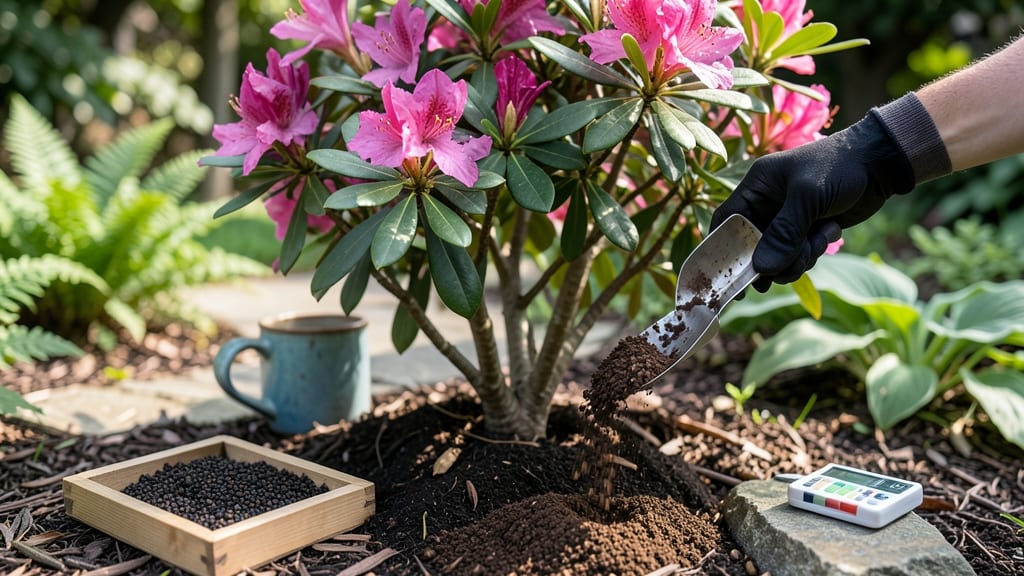
Garden plants that benefit from coffee grounds include acid-loving varieties like azaleas, blueberries, hydrangeas, and rhododendrons, plus nitrogen-demanding vegetables such as tomatoes, peppers, and leafy greens. Used in moderation, these grounds improve soil fertility and naturally acidify the pH.
Coffee grounds work their magic through two key mechanisms: nitrogen release and pH adjustment.
The grounds add organic matter that feeds soil microbes, which in turn break down the coffee solids into plant-available nitrogen—ideal for fast-growing veggies. 🌱 At the same time, their acidic nature lowers soil pH, creating the perfect environment for acid-loving perennials.
I've found that mixing used grounds into the top 2-3 inches of soil (about 1 cup per plant) in spring or fall yields the best results, while avoiding overuse prevents mold growth.
For vegetables, focus on nitrogen-loving crops like lettuce, spinach, and eggplants, which respond dramatically to the nutrient boost. Flowering plants benefit too—just remember that not all species thrive with coffee. For example, onions and garlic prefer neutral to slightly alkaline soil, so skip the grounds for those beds.
The key is balance: too much can make the soil too acidic, harming sensitive plants.
💡 In This Article
- How Coffee Grounds Boost Soil for Acid-Loving Plants
- Best Coffee Grounds Applications for Vegetables and Flowers
How coffee grounds boost soil for acid-loving plants
Coffee grounds act like a natural soil amendment by releasing nitrogen as they decompose, thanks to their high protein content (about 11-12%). When mixed into soil, these grounds feed beneficial microbes that break down the organic matter into ammonium (NH₄⁺), which plants can absorb directly.
This nitrogen boost is particularly valuable for acid-loving plants like blueberries, which require pH 4.5-5.5 to thrive. The process mirrors how compost works but with faster nitrogen availability—ideal for hungry plants like azaleas that need consistent nutrient supply. 💫
The real magic happens with pH adjustment.
Fresh coffee grounds have a pH of around 6.2-6.8, but as they decompose, they release organic acids (like acetic and citric) that gradually lower soil pH. This effect is comparable to peat moss but more sustainable—peat moss mining harms ecosystems, while coffee grounds are a zero-waste solution.
For hydrangeas, which change color based on soil pH (blue in acidic, pink in alkaline), adding coffee grounds can keep them reliably blue without chemical amendments. The breakdown process takes 2-4 weeks in warm soil, making it a slow-release acidifier.
Soil microbes play a crucial role here. The same bacteria that decompose coffee grounds (like Pseudomonas and Bacillus species) also help break down other organic matter, improving soil structure. This microbial activity creates tiny air pockets that enhance root respiration—critical for plants struggling in compacted or clay-heavy soils.
I've noticed that gardens amended with coffee grounds retain moisture better, thanks to the improved organic matter content (up to 30% organic carbon by weight). This moisture retention is especially helpful during droughts for plants like rhododendrons, which need consistently damp but well-drained soil. ✨
However, the benefits depend on proper application. Overuse can create a too-acidic environment (below pH 4.0), which harms sensitive plants by locking out essential nutrients like phosphorus and calcium.
The ideal application rate is 1 cup per plant mixed into the top 2-3 inches of soil, with a maximum of 20% coffee grounds by volume in any given soil mix.
For comparison, professional growers use 1-2 pounds per 100 square feet annually, spread evenly and lightly worked into the soil. This balance prevents the "burnt soil" effect that can occur with fresh, undiluted grounds.
Another key factor is the decomposition stage. Fresh coffee grounds should never be used directly on plants—they can mat together and create anaerobic pockets that smell foul. Instead, let them dry completely (like used grounds from your coffee maker) and then mix them into soil.
For even faster results, you can pre-compost the grounds for 1-2 weeks before application. This pre-decomposition releases some nitrogen immediately while still providing long-term benefits. The texture of properly decomposed grounds becomes crumbly and dark brown, almost like fine compost, making it easier to work into garden beds. 🌿
When comparing coffee grounds to traditional acidifiers like sulfur or aluminum sulfate, they offer a gentler approach. Sulfur can lower pH by up to 1.5-2.0 points per application but requires precise measurement and can harm plants if overused.
Coffee grounds, by contrast, provide a gradual, natural acidification while simultaneously improving soil fertility—a two-for-one benefit that's hard to match. For gardeners who want to avoid chemical amendments, coffee grounds become an excellent alternative, especially when combined with other organic materials like pine needles or oak leaves for enhanced acidity.