
Light Requirements
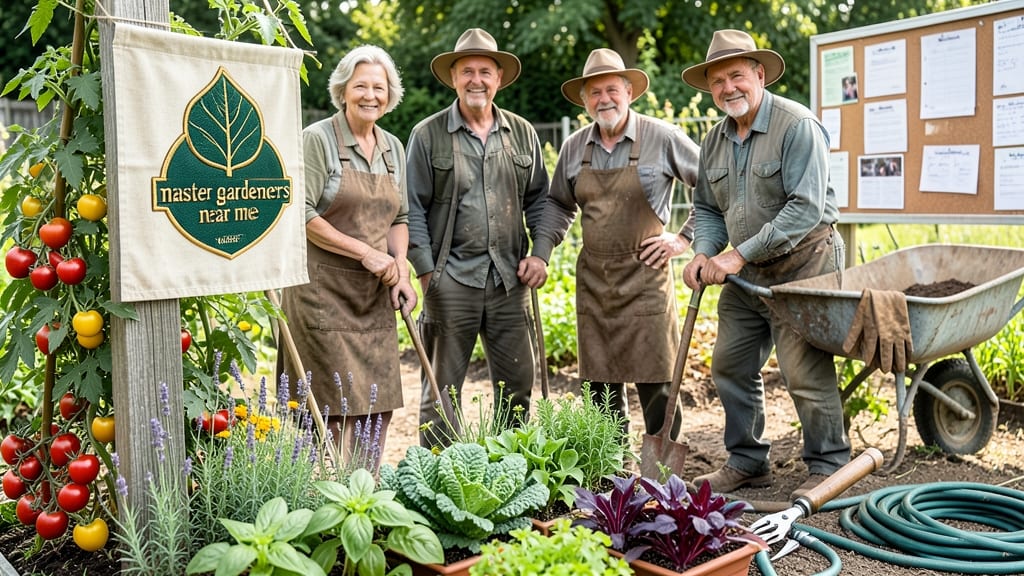
To find master gardeners near you, connect with local university extension programs or community networks that offer free gardening expertise, soil analysis, and plant health diagnostics. Search your county’s cooperative extension service website or call their helpline for direct help.
Master gardener programs are volunteer networks trained through land-grant universities, offering science-backed solutions to common gardening challenges. 🌱 Unlike private consultants, these experts provide free services including pest identification, soil testing, and seasonal planting advice—perfect for both beginners and experienced gardeners.
I’ve used them to diagnose mysterious leaf spots and adjust my compost pH, saving me time and money while improving my garden’s health.
Most programs operate through county extension offices, where you can access their plant clinics during growing seasons or request diagnostics by mail. Many also host free workshops on topics like container gardening or native plant selection.
The best part? Their training ensures you’re getting research-based advice tailored to your local climate and soil conditions.
💡 In This Article
- How Master Gardener Programs Work and Their Benefits
- Step-by-Step Guide to Locating Master Gardeners in Your Area
How master gardener programs work and their benefits
Master gardener programs operate as partnerships between passionate volunteers and land-grant universities, like those in the Land-Grant University System. Volunteers complete 50-75 hours of training in horticulture, pest management, and soil science, often earning certification through their state's cooperative extension service.
For example, the University of California Master Gardener Program trains volunteers in sustainable gardening practices that align with local ecological needs—something you won’t find in generic nursery advice.
The core services these programs offer include plant diagnostics (identifying pests, diseases, or nutrient deficiencies), soil testing (analyzing pH, organic matter, and micronutrients), and seasonal workshops on topics like organic pest control or drought-resistant landscaping.
Unlike private gardeners who may charge $75-$150/hour, master gardeners provide these services for free or a minimal fee to cover supplies.
I once brought in a wilting tomato plant to a clinic, and within 10 minutes, they diagnosed a fungal issue and recommended a targeted fungicide—saving me from losing my entire crop.
What sets master gardeners apart is their science-backed approach. Their training emphasizes evidence-based solutions, like using neem oil for aphids or amending clay soil with compost instead of chemical amendments.
They also stay updated on local pests, such as the spotted lanternfly in the Northeast or emerald ash borer in the Midwest, providing early warnings to communities. This contrasts with nurseries, which often prioritize selling products over problem-solving.
Another unique benefit is their community outreach. Many programs run free plant clinics at farmers' markets, libraries, or community gardens during peak growing seasons (typically April-October). Some even offer mail-in diagnostics for home gardeners who can’t visit in person.
The Texas Master Gardeners, for instance, process over 10,000 plant samples annually, helping gardeners across the state troubleshoot issues from blight to nutrient deficiencies.
For those with limited gardening experience, master gardeners serve as mentors. They’ll guide you through soil amendments, pruning techniques, or even container gardening layouts—all tailored to your USDA hardiness zone and local microclimate.
Unlike private consultants, they’re not selling products, so their advice is purely focused on your garden’s success. 🌿 Whether you’re battling aphids, adjusting pH, or planning a vegetable bed, their expertise cuts through the noise of conflicting online advice.
If you’re skeptical about relying on volunteers, consider this: master gardeners undergo rigorous training and must complete 40 hours of volunteer service annually to maintain their certification. Their commitment ensures you’re getting advice from someone who’s not only knowledgeable but also invested in your garden’s health.
Plus, their networks often include connections to local farmers, seed swaps, and even municipal gardening programs.