I still remember the first time my grandfather showed me how to coax a seedling into life—it was a sunflower, and I was convinced it would never grow. Now, decades later, I’m just as excited about the little victories in the garden, whether it’s a stubborn tomato plant finally setting fruit or a patch of herbs thriving where nothing seemed to take root before. This site is where I share the lessons I’ve learned along the way: the practical tips, the quirky tricks, and the quiet joys of watching something you’ve nurtured bloom. If you’re here, you’re already part of the club—let’s grow together.
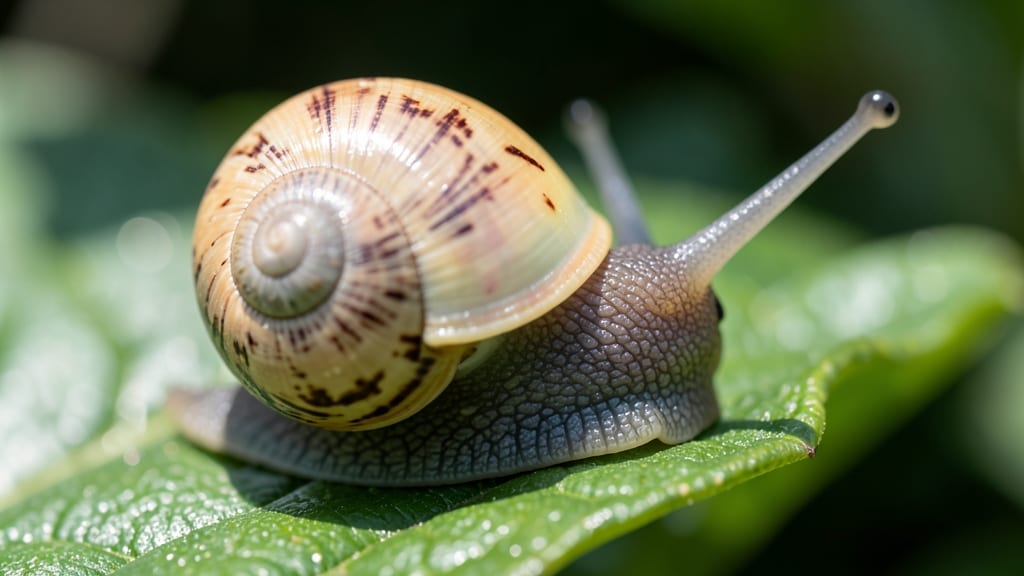
💥 Quick Answer Understanding garden snail anatomy reveals their coiled shell for defense, muscular foot for movement, and retractable head equipped with sensory tentacles, eyes, and a radula for scraping food. Their…
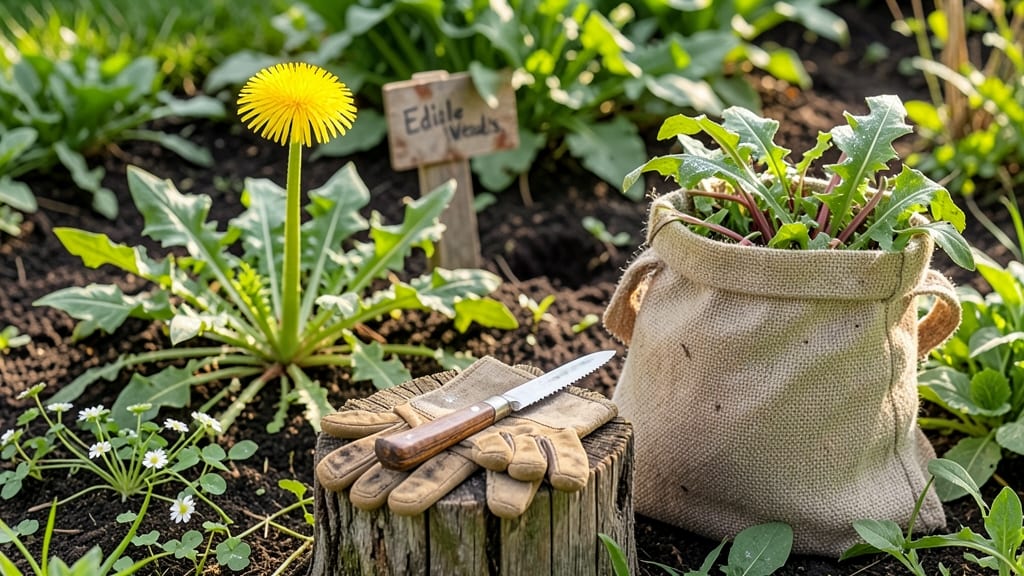
💥 Quick Answer Before eating weeds from your garden, you must positively identify them: avoid plants with milky sap, sharp thorns, or bitter flavors. Always perform a skin patch test and cook a tiny sample before…
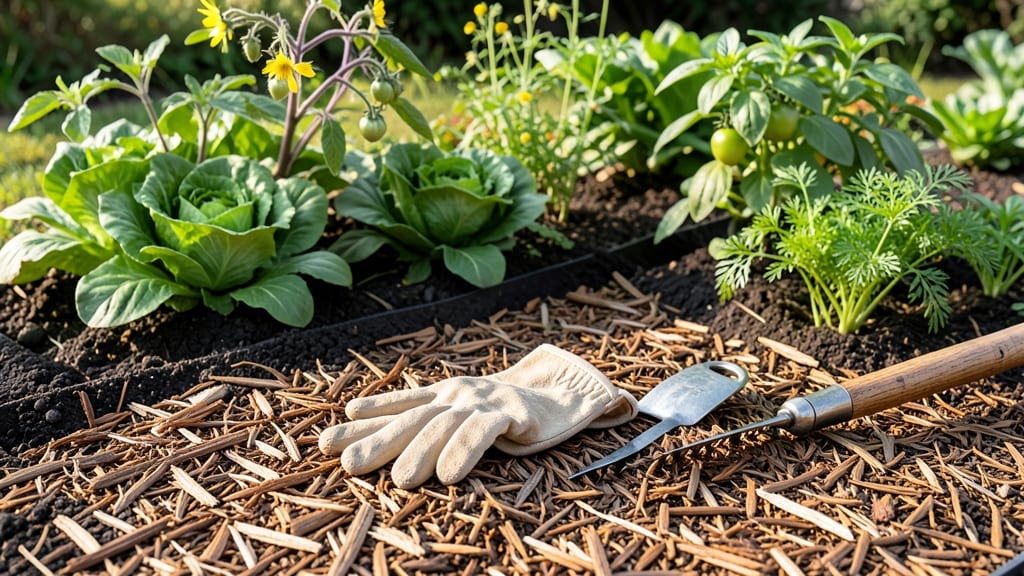
💥 Quick Answer Cedar mulch can be good for vegetable gardens because it deters pests naturally, locks in moisture, and enriches soil over time. However, its acidic nature and natural oils may stunt growth in sensitive…
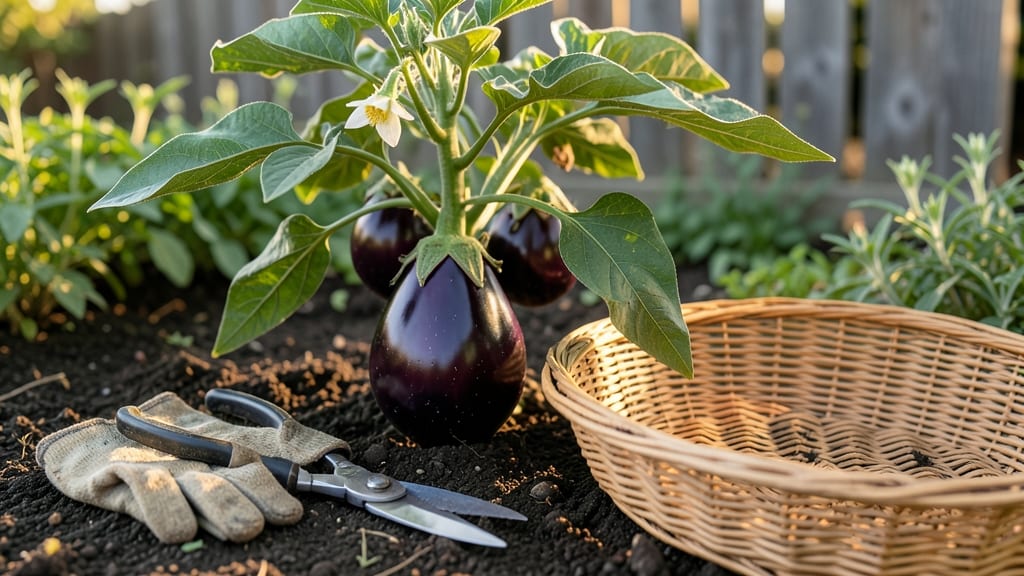
💥 Quick Answer A garden egg is the West Indian gherkin ( Cucumis anguria ), a small, bumpy, lime-green fruit commonly used in Caribbean cooking for pickling, salads, and hearty stews. Its crisp, tangy bite makes it a…