I still remember the first time my grandfather showed me how to coax a seedling into life—it was a sunflower, and I was convinced it would never grow. Now, decades later, I’m just as excited about the little victories in the garden, whether it’s a stubborn tomato plant finally setting fruit or a patch of herbs thriving where nothing seemed to take root before. This site is where I share the lessons I’ve learned along the way: the practical tips, the quirky tricks, and the quiet joys of watching something you’ve nurtured bloom. If you’re here, you’re already part of the club—let’s grow together.
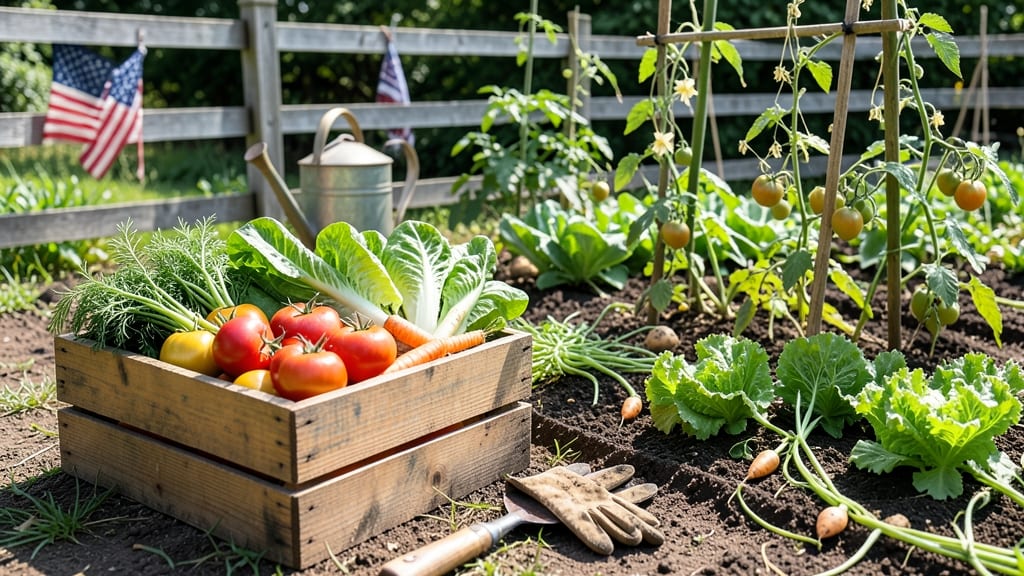
💥 Quick Answer Victory gardens were important because they helped alleviate WWII food shortages by producing over 40% of the nation's fresh vegetables, reducing reliance on commercial supplies and boosting morale during…
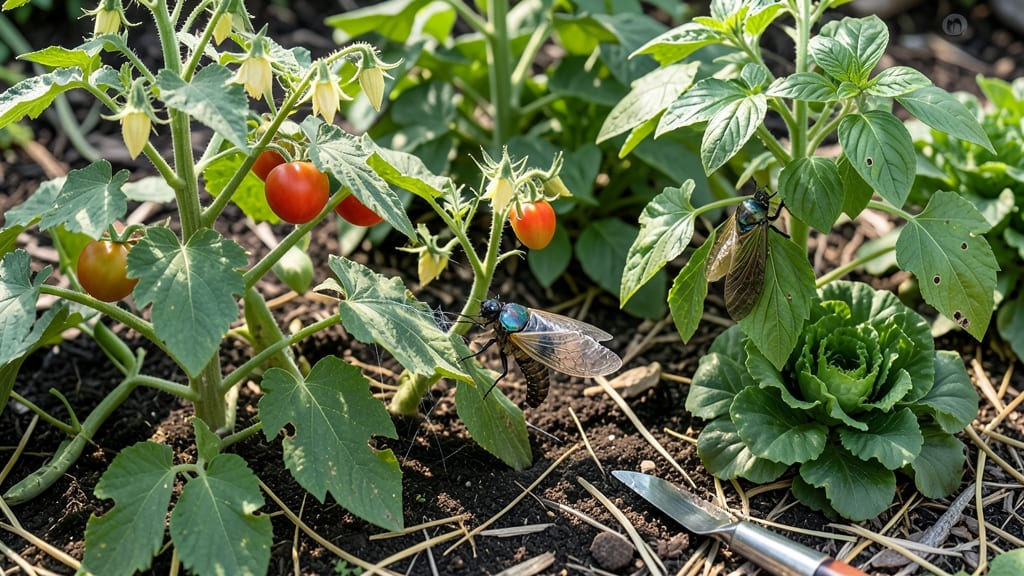
💥 Quick Answer Your garden won’t be eaten by cicadas—they only consume tree sap and xylem fluids, leaving vegetables, flowers, and foliage untouched. However, their emerging nymphs can harm roots, and swarms may strip…
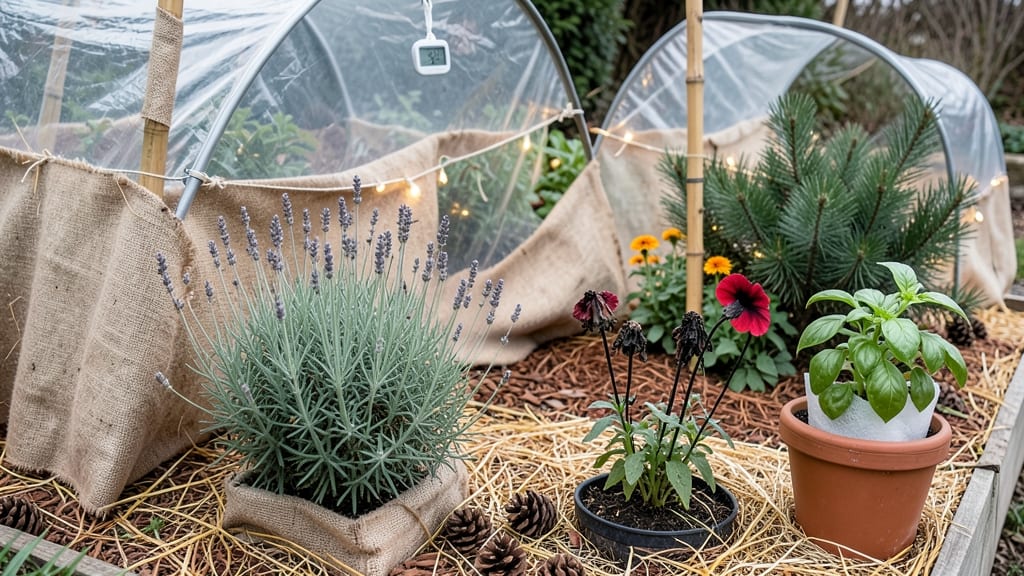
Winter protection for garden is the key to keeping plants alive and thriving ❄️—and the right strategies make all the difference between a dead landscape and a spring rebirth. Frost can turn your thriving garden into a…
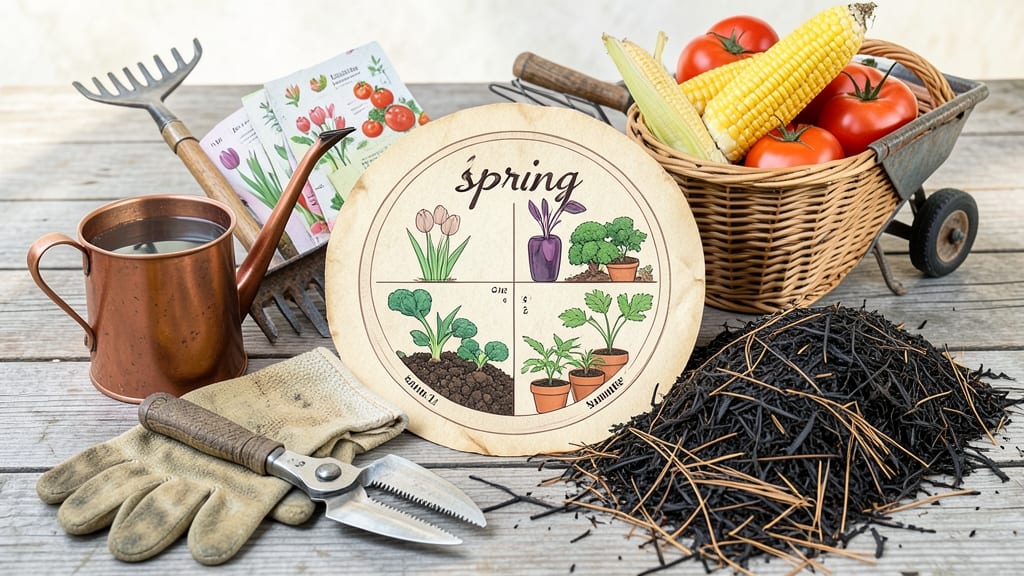
💥 Quick Answer A Zone 7 gardening calendar organizes planting and maintenance around last frost dates between March 15–April 1 and first frost dates near October 31–November 15 , ensuring optimal growth for vegetables…
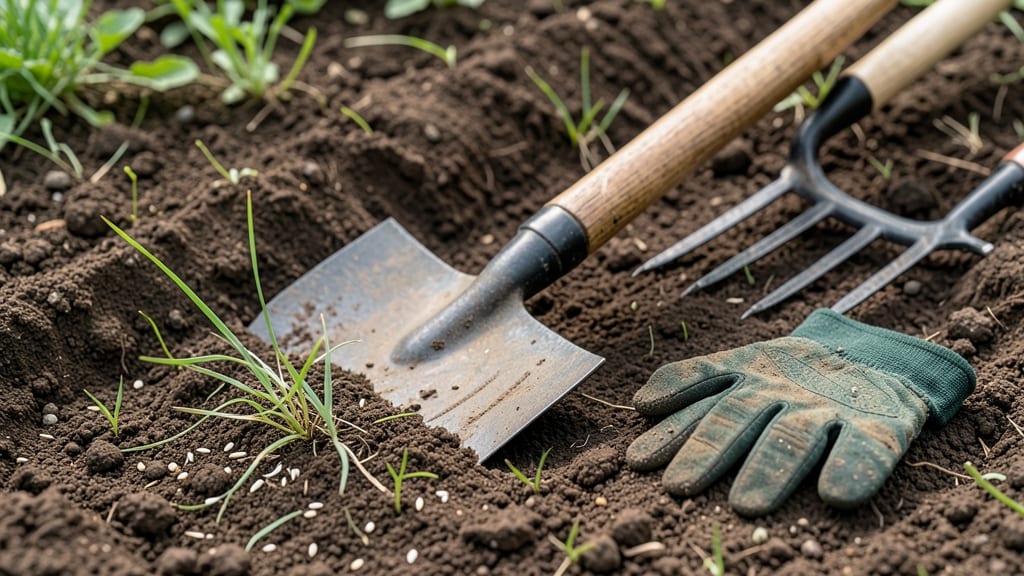
💥 Quick Answer A garden hoe has countless uses beyond weeding, including cultivating soil, slicing through stubborn roots, leveling garden beds, and harvesting shallow crops like radishes and potatoes. A garden hoe…
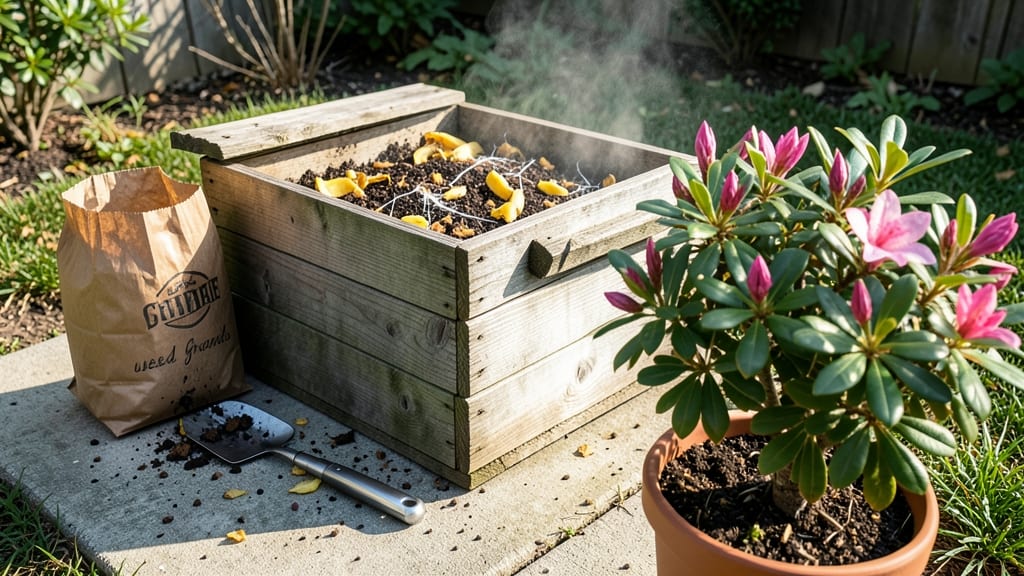
💥 Quick Answer Using coffee grounds as garden fertilizer provides nitrogen-rich nutrients that boost soil health and acid-loving plants like azaleas, blueberries, and tomatoes, while improving moisture retention and…
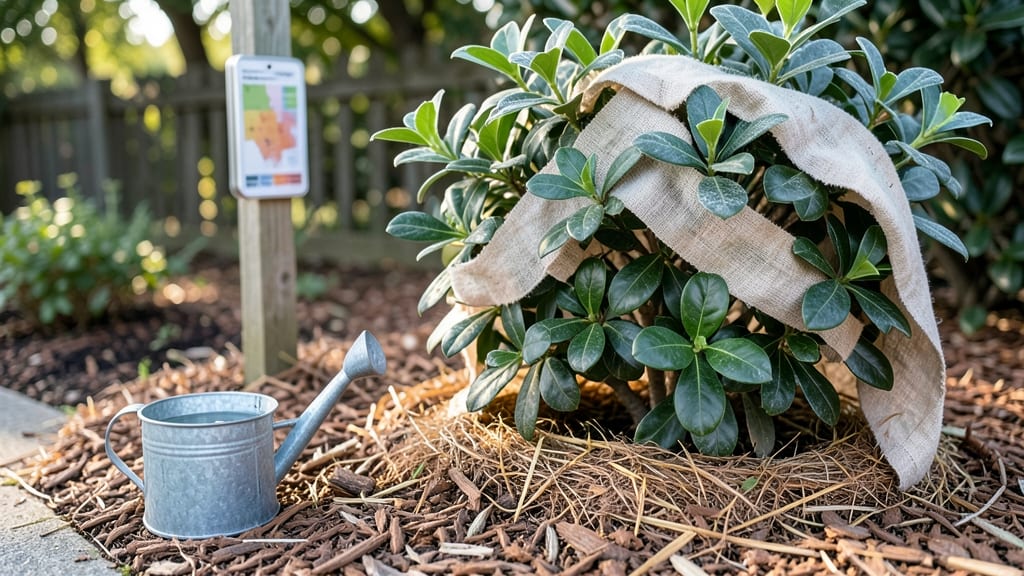
💥 Quick Answer August Beauty Gardenias exhibit the cold tolerance of brief cold snaps down to about 25-30°F (-4 to -1°C), but temperatures consistently below 32°F (0°C) threaten their leaves and blooms. Use frost cloth…
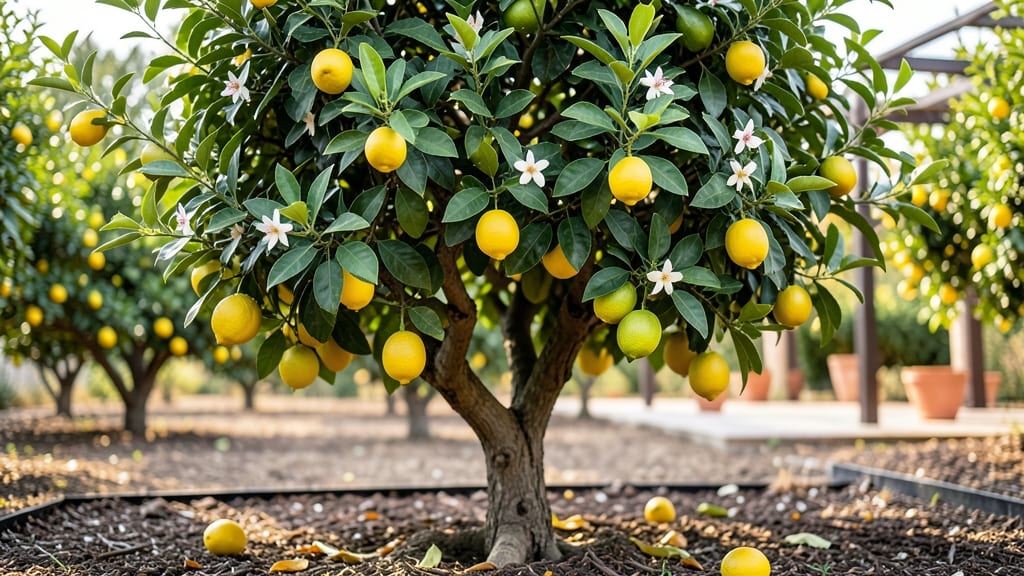
💥 Quick Answer Garden Zone 10b offers a frost-free growing season from mid-November through mid-March**, allowing year-round planting of warm-season favorites like tomatoes and peppers while supporting cool-season…
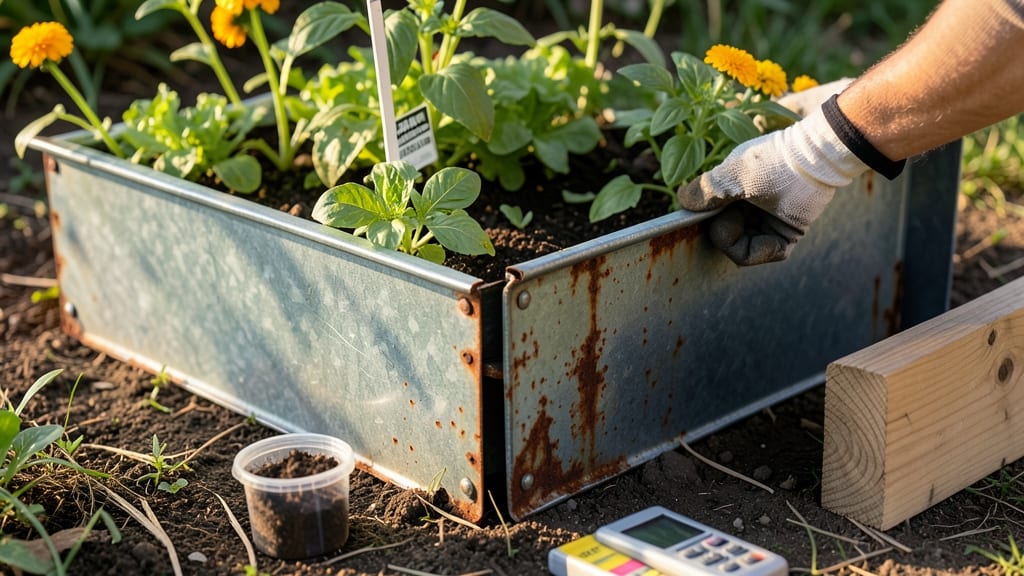
💥 Quick Answer Galvanized steel is not safe for garden beds because its zinc coating can leach into soil, causing zinc toxicity in plants and potentially harming beneficial soil microbes. Opt for untreated steel…
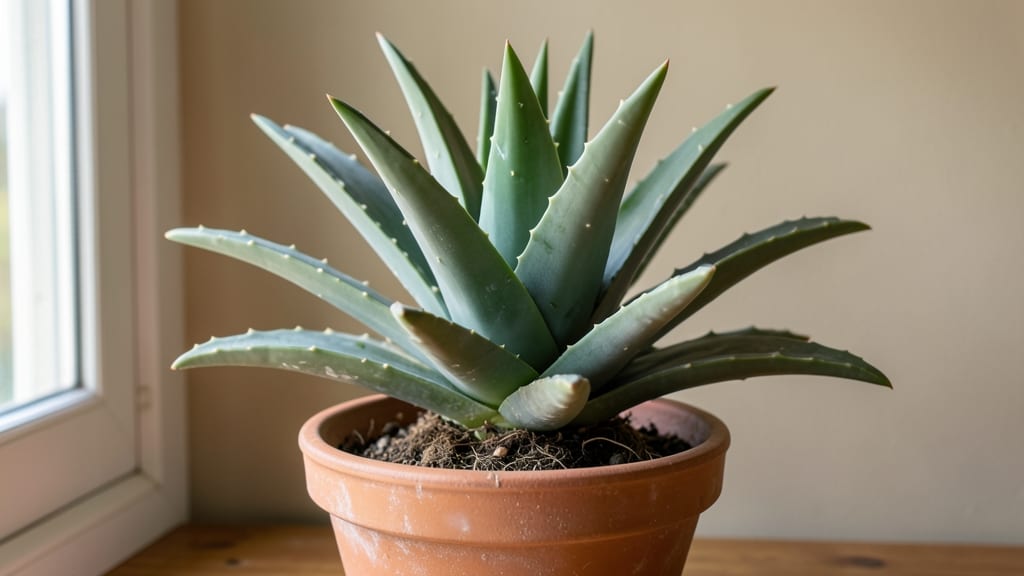
💥 Quick Answer Aloe vera in gardens naturally deters pests like aphids and slugs with its bitter sap, while its fallen leaves enrich soil with nutrients and moisture retention, acting as a dual-purpose organic amendment…