I still remember the first time my grandfather showed me how to coax a seedling into life—it was a sunflower, and I was convinced it would never grow. Now, decades later, I’m just as excited about the little victories in the garden, whether it’s a stubborn tomato plant finally setting fruit or a patch of herbs thriving where nothing seemed to take root before. This site is where I share the lessons I’ve learned along the way: the practical tips, the quirky tricks, and the quiet joys of watching something you’ve nurtured bloom. If you’re here, you’re already part of the club—let’s grow together.
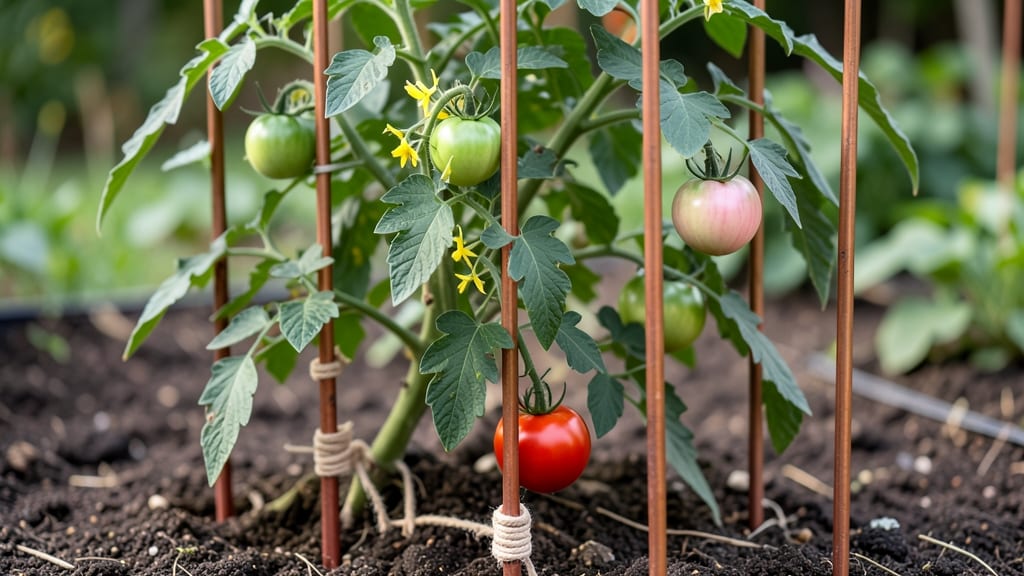
💥 Quick Answer The benefits of copper garden stakes include exceptional longevity, natural rust resistance, and lightweight strength that supports plants for years without bending or degrading, making them perfect for…
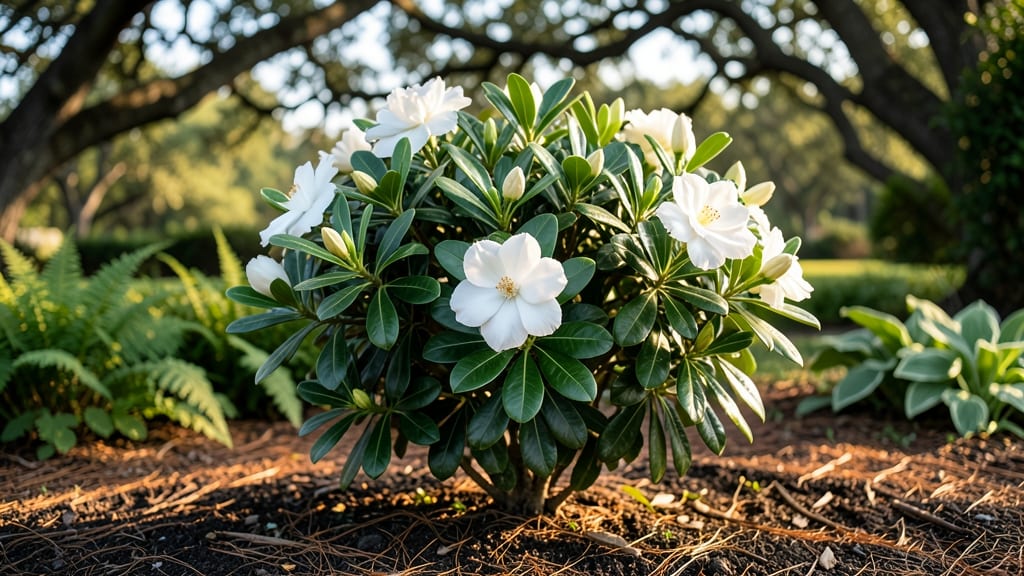
💥 Quick Answer Gardenias bloom in North Carolina from late May through July, with their peak flowering period in June, though exact timing depends on the specific variety and local weather patterns. For the best summer…
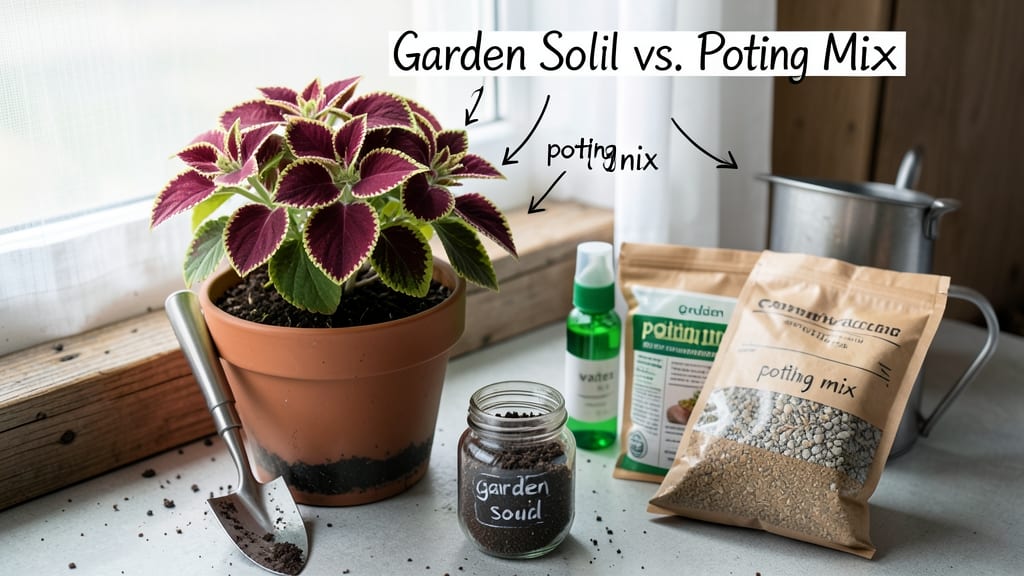
💥 Quick Answer You shouldn't use garden soil for potted plants because it compacts easily, drains poorly, and may contain pests or diseases. Instead, opt for lightweight potting mixes with perlite, peat moss, or coconut…
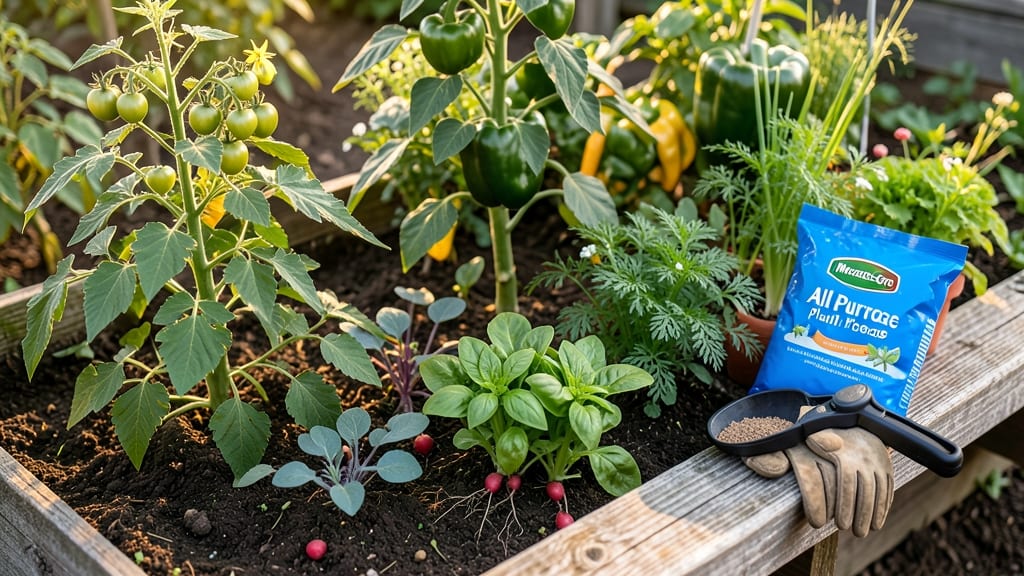
💥 Quick Answer Using Miracle Gro for vegetable gardens boosts rapid, nutrient-rich growth but risks compromising soil health over time due to its synthetic formula. For best results, apply it sparingly alongside compost…
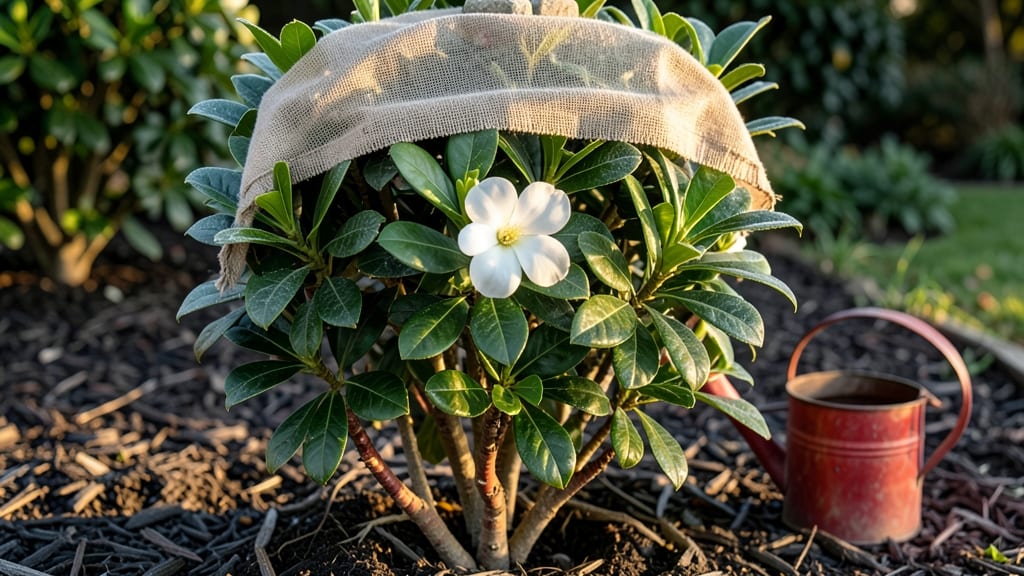
💥 Quick Answer Gardenia plants can successfully grow in Zone 5 with the right winter care and cold-resistant varieties like Gardenia jasminoides ‘Kleim’s Hardy’ or ‘Radicans.’ Protect roots from freezing below 10°F…
💥 Quick Answer As a gardener, pruning trees in late winter or early spring—just before buds swell—promotes vigorous growth, removes damaged wood, and prevents disease. This timing maximizes healing while avoiding stress…
💥 Quick Answer Creating Pacific Star Gardens means choosing hardy native plants like ceanothus, manzanita, and coastal sage that thrive in dry conditions, then planting them according to California's seasonal rhythms…
💥 Quick Answer Creating a natural ant repellent for gardens starts with using powerful plant-based ingredients like peppermint, lavender, or citrus peels, paired with vinegar or essential oils. These mixtures break down…
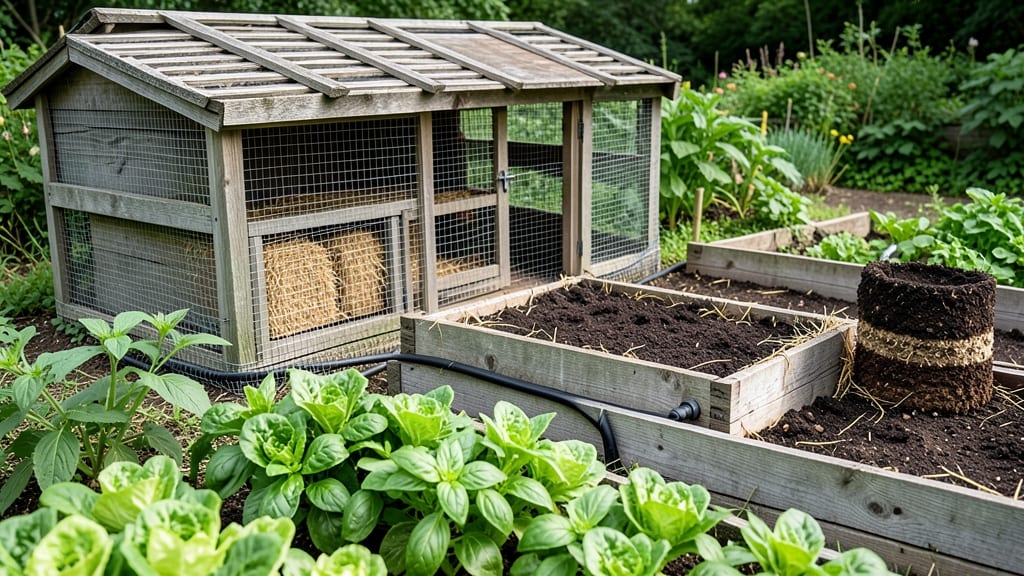
💥 Quick Answer Combining a chicken coop and garden creates a mutually beneficial setup where chickens fertilize soil naturally, deter pests, and provide fresh compost while saving space for both gardening and poultry…
💥 Quick Answer A frost-proof gardenia hedge starts with cold-resistant varieties like Gardenia jasminoides 'Kleim's Hardy' or Gardenia augusta 'Radicans' , planted 3-4 inches deeper than the root ball, and protected…