I still remember the first time my grandfather showed me how to coax a seedling into life—it was a sunflower, and I was convinced it would never grow. Now, decades later, I’m just as excited about the little victories in the garden, whether it’s a stubborn tomato plant finally setting fruit or a patch of herbs thriving where nothing seemed to take root before. This site is where I share the lessons I’ve learned along the way: the practical tips, the quirky tricks, and the quiet joys of watching something you’ve nurtured bloom. If you’re here, you’re already part of the club—let’s grow together.
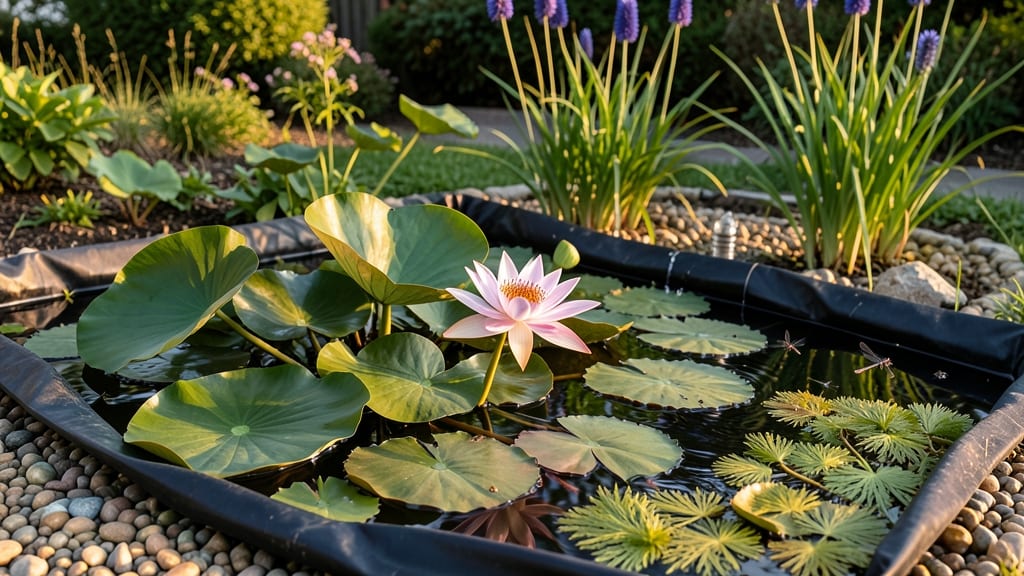
💥 Quick Answer Finding aquatic gardens near you reveals tranquil havens featuring vibrant water lilies, graceful koi ponds, and meticulously curated aquatic plant collections. These living exhibits often include guided…
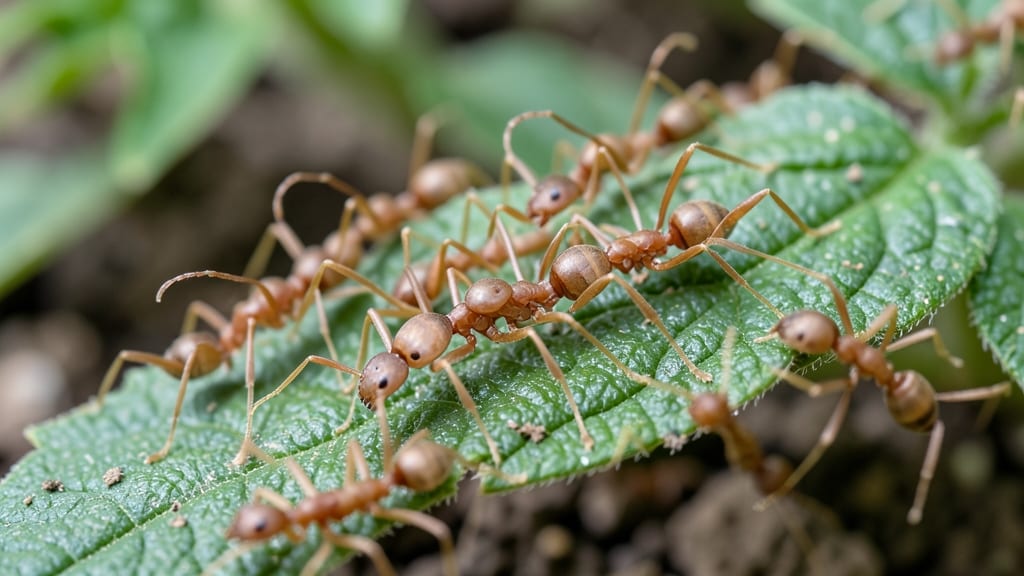
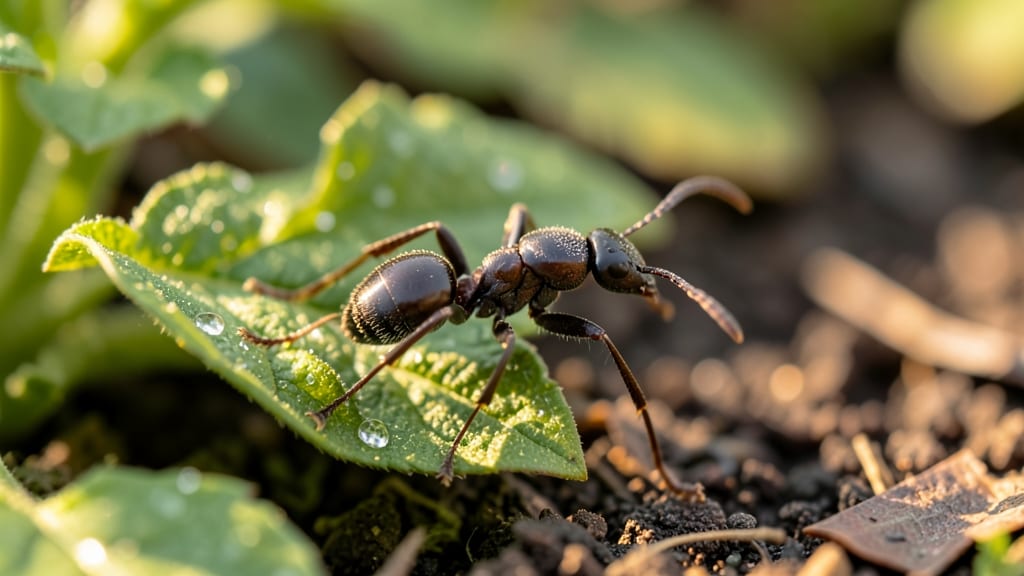
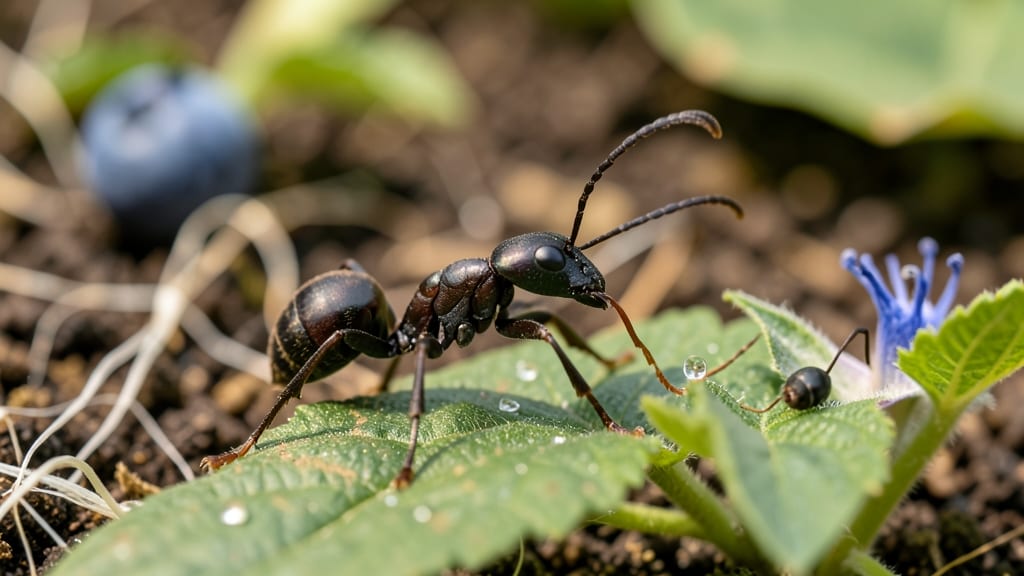
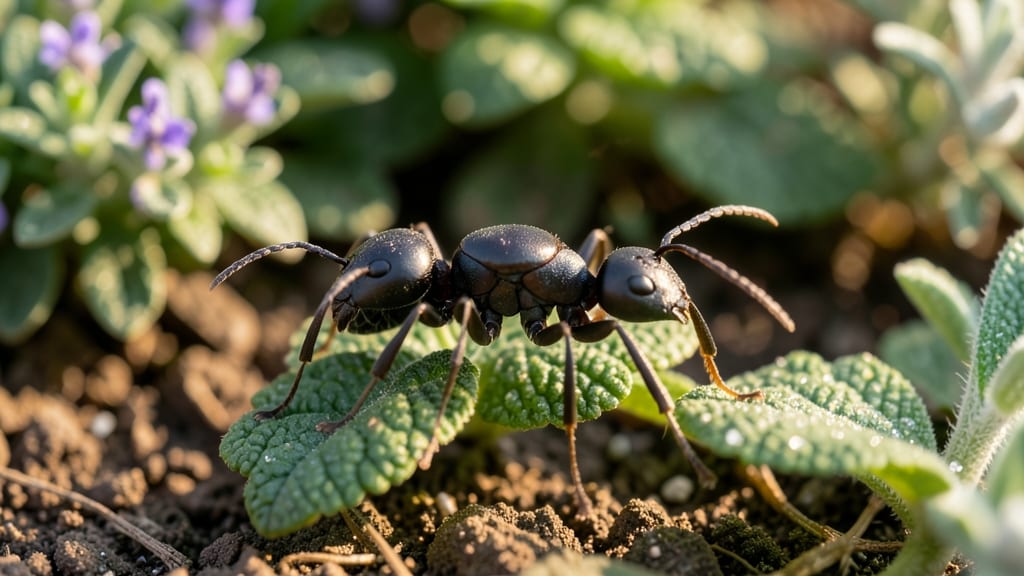
💥 Quick Answer Whether ants are bad for a garden depends on the species and their behavior—they can improve soil health by aerating and dispersing seeds while also controlling pests like aphids, but certain types may…
💥 Quick Answer Ants are beneficial to gardens by controlling pests, aerating soil, and breaking down organic matter, but they can also damage roots or attract harmful insects like aphids. Their effects vary by species…
💥 Quick Answer Ants are good for gardens because they aerate soil, break down organic matter, and act as natural pest controllers by preying on harmful insects like aphids and caterpillars. Their tunnels improve…
💥 Quick Answer Ants are generally okay in the garden—they improve soil aeration, disperse seeds, and naturally control pests like aphids. However, some species can damage plants or ecosystems, so natural control methods…
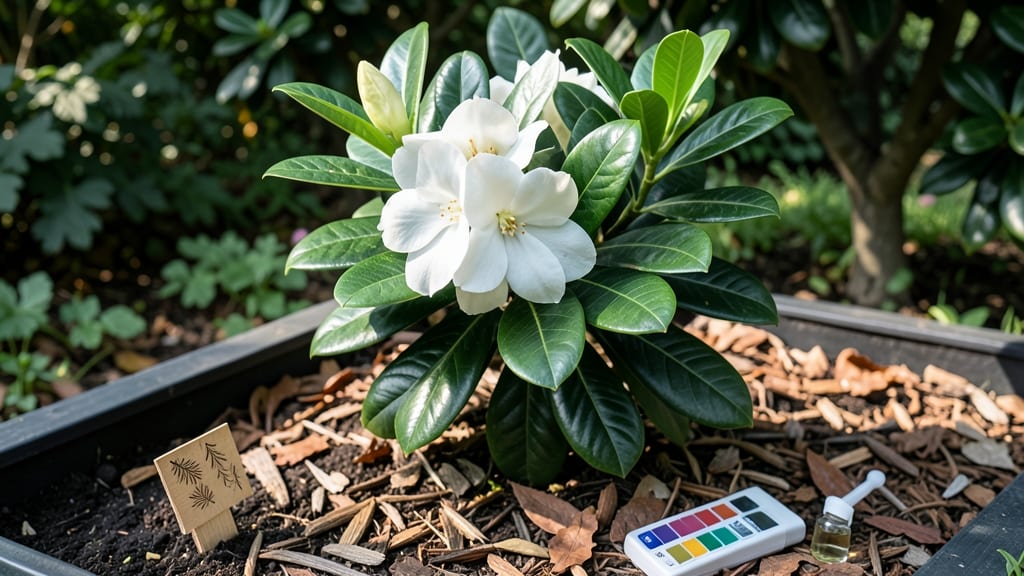
💥 Quick Answer Gardenias are acid-loving plants that thrive in soil with a pH range of 5.0 to 6.5, mimicking their native tropical environments where acidic conditions promote nutrient absorption and vibrant blooms…
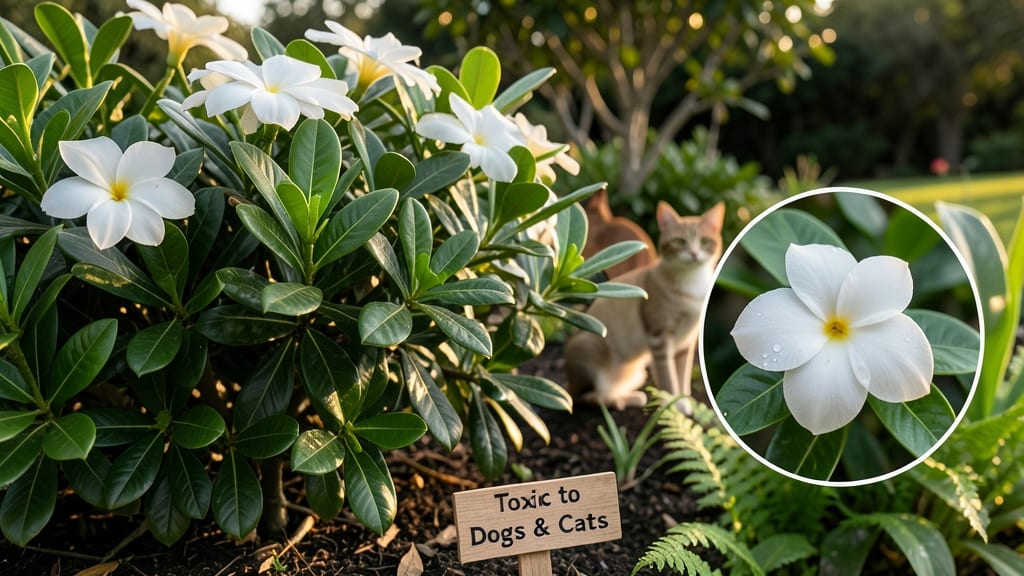
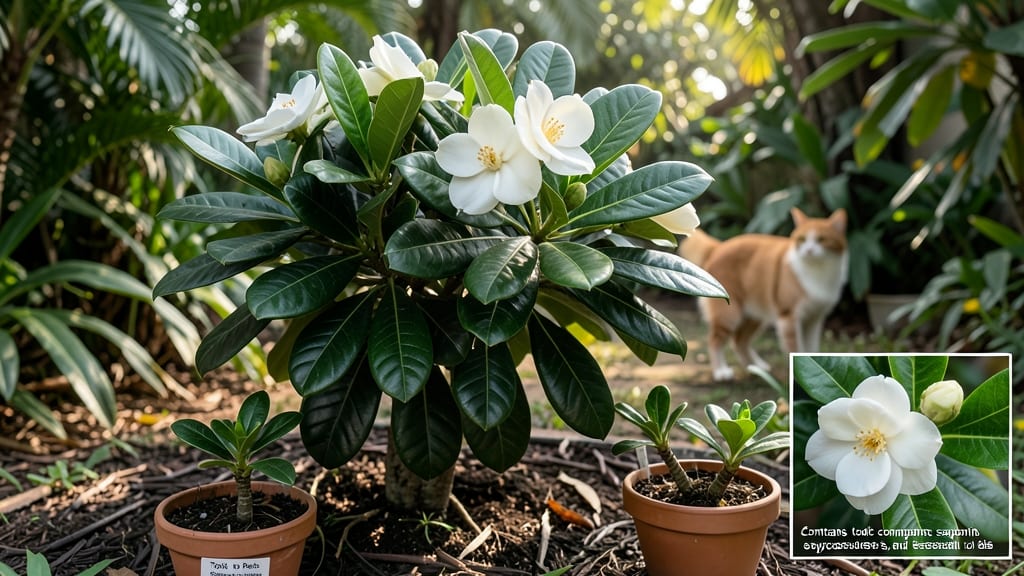
💥 Quick Answer Gardenias are poisonous to dogs and cats because their thevetia compounds trigger digestive upset and neurological symptoms when ingested. Leaves and flowers pose the highest risk, with reactions…
💥 Quick Answer Gardenias are toxic to pets and humans because their leaves, flowers, and stems contain harmful compounds like saponins and glycosides, which can trigger vomiting, diarrhea, or skin irritation when…
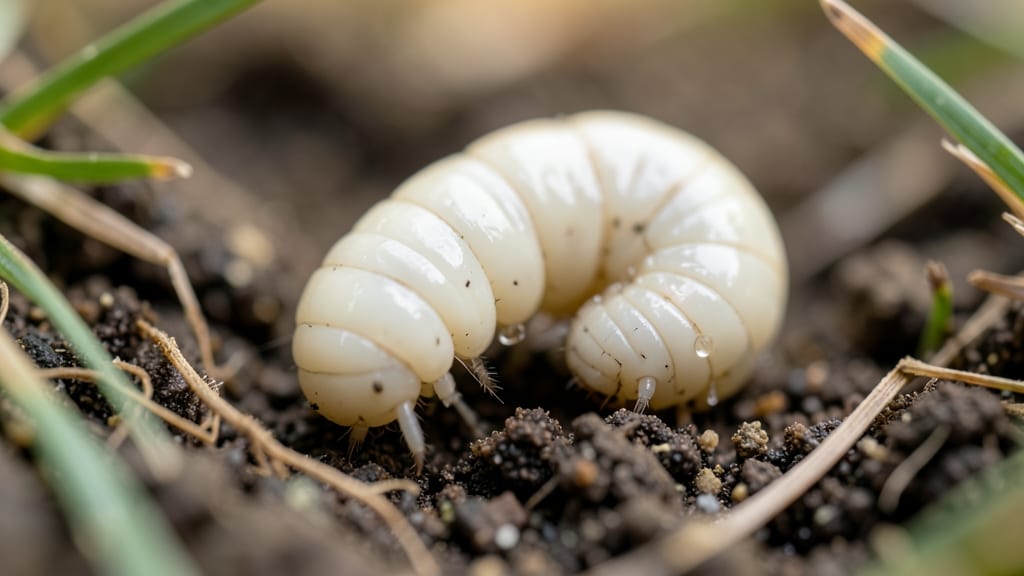
💥 Quick Answer Grubs are bad for your garden because they feed on plant roots, weakening grass and shrubs, causing yellowing patches, wilting, and even plant death if left untreated. Identifying and controlling them…
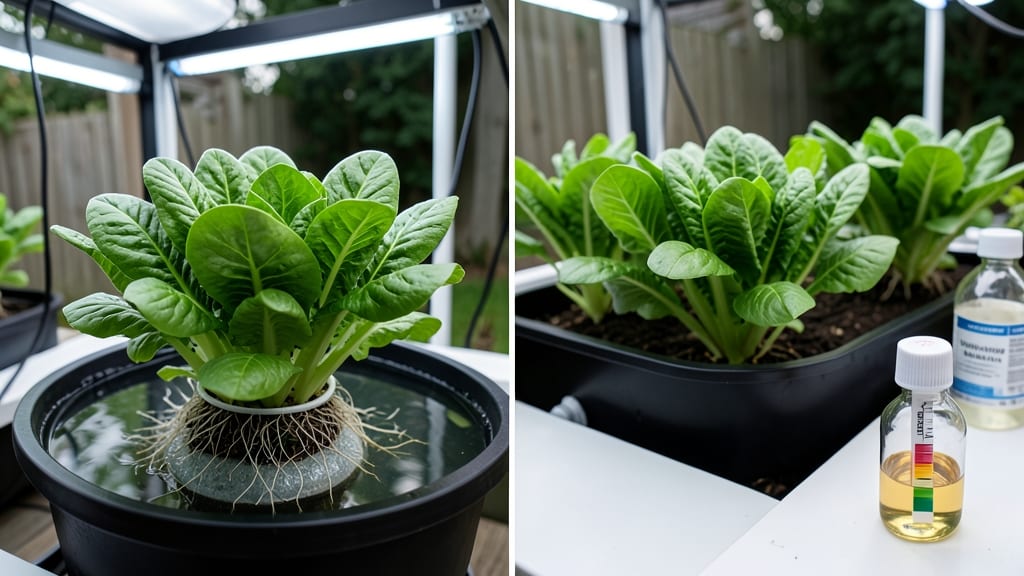
💥 Quick Answer Hydroponic gardens are worth it for beginners when space is limited or yields must be maximized, as they produce faster growth and higher crop density than soil gardens—but they require upfront investment…