I still remember the first time my grandfather showed me how to coax a seedling into life—it was a sunflower, and I was convinced it would never grow. Now, decades later, I’m just as excited about the little victories in the garden, whether it’s a stubborn tomato plant finally setting fruit or a patch of herbs thriving where nothing seemed to take root before. This site is where I share the lessons I’ve learned along the way: the practical tips, the quirky tricks, and the quiet joys of watching something you’ve nurtured bloom. If you’re here, you’re already part of the club—let’s grow together.
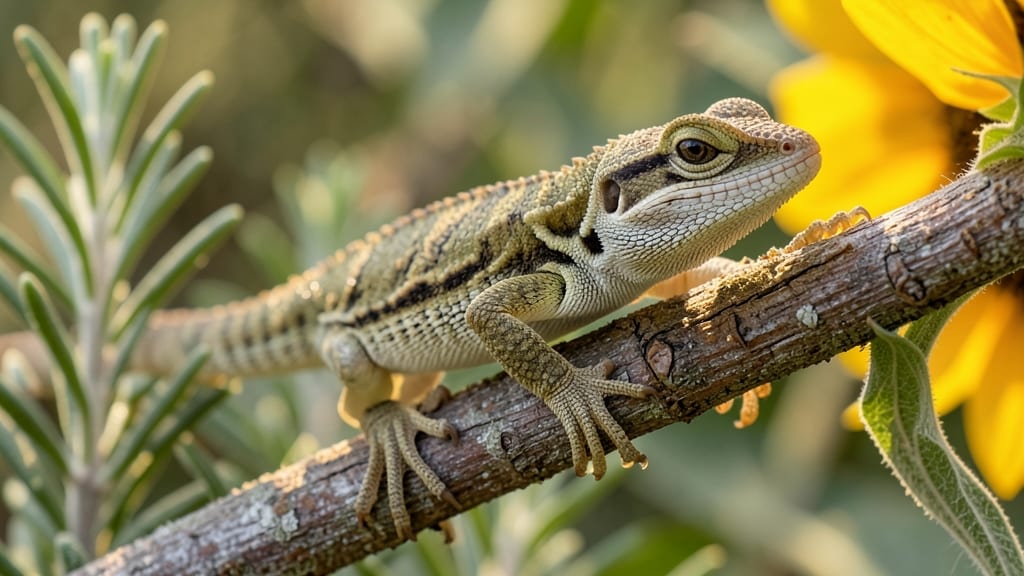
💥 Quick Answer To identify a common garden lizard, look for its slender 5-8 inch body, greenish-brown scales, and long whip-like tail, which often bask on warm surfaces like rocks, fences, or garden walls. Their rapid…
💥 Quick Answer Growing Old Man Gardener orchids successfully requires bright, indirect light and a well-draining medium to mimic their natural epiphytic habitat. Keep roots healthy with consistent moisture, avoid soggy…
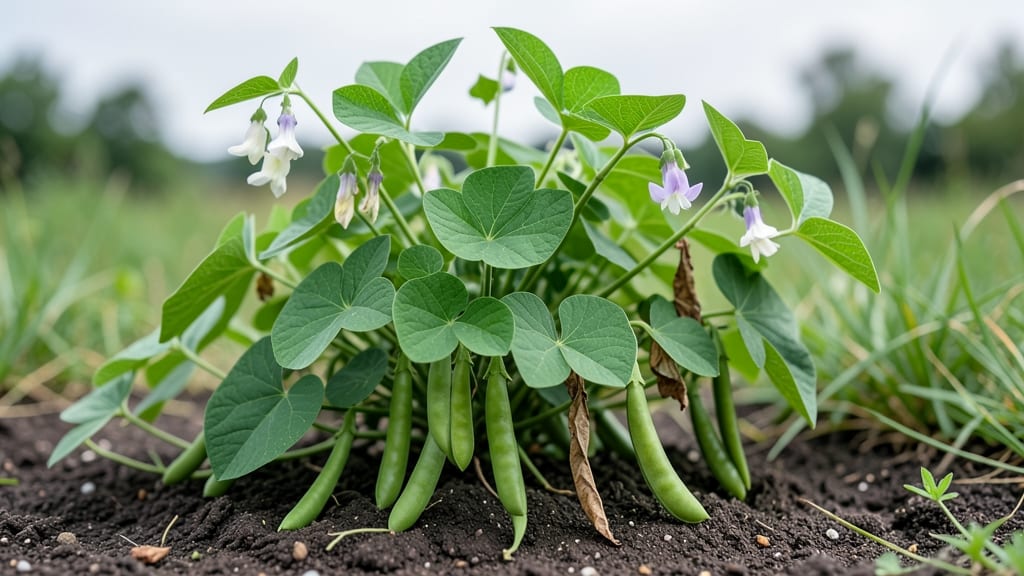
💥 Quick Answer You can grow a garden from a can of beans by extracting seeds from organic, non-GMO dried varieties and using proper germination methods to develop healthy plants. Heirloom beans yield the best results…
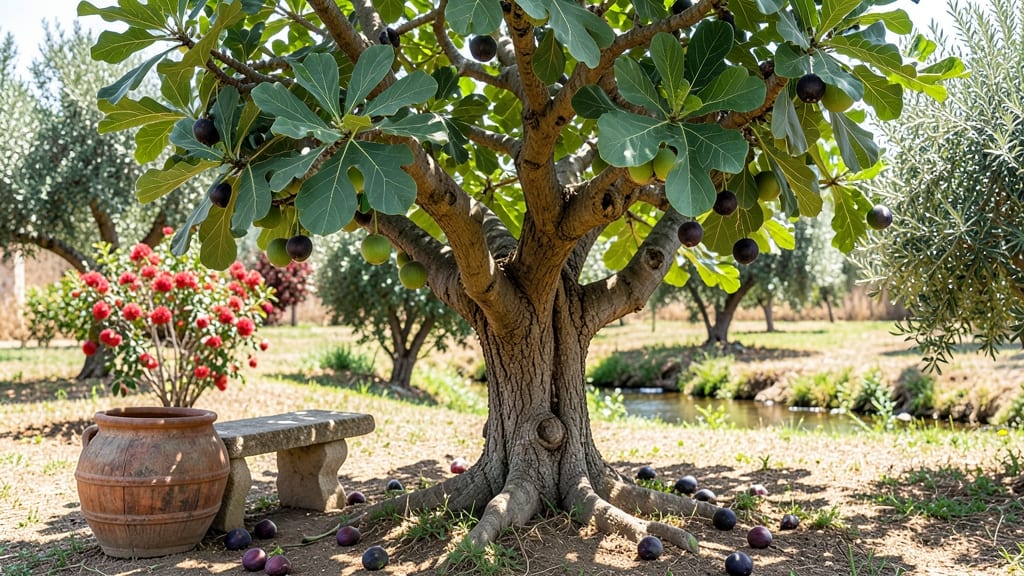
💥 Quick Answer The garden in the Bible represents Eden, the sacred paradise where God placed Adam and Eve, designed as a place of perfect harmony, divine provision, and spiritual connection through its abundant…
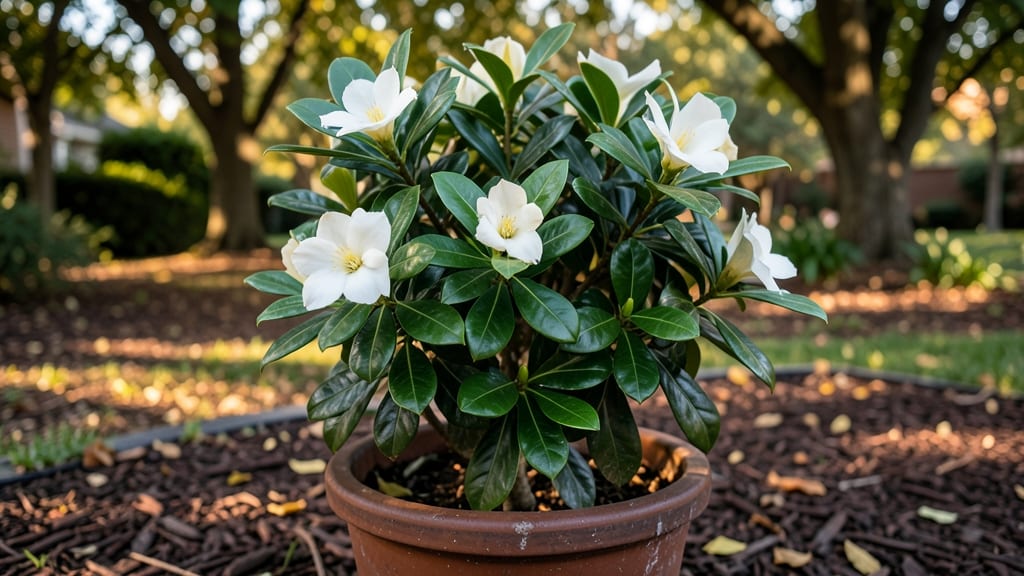
💥 Quick Answer A gardenia plant looks like a lush, tropical shrub with shiny, dark green elliptical leaves that grow in opposite pairs along the stems. Its signature feature is the large, creamy-white to pale yellow…
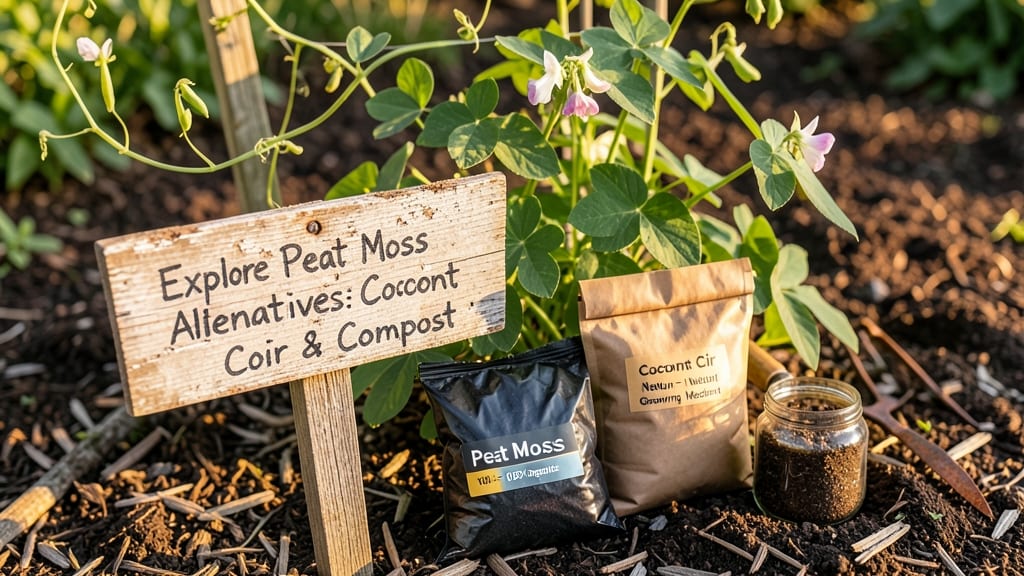
💥 Quick Answer Peat moss is bad for vegetable gardens because it harms ecosystems by depleting carbon-rich bogs, releases stored CO₂ when dried, and lacks essential nutrients for long-term plant health. Sustainable…
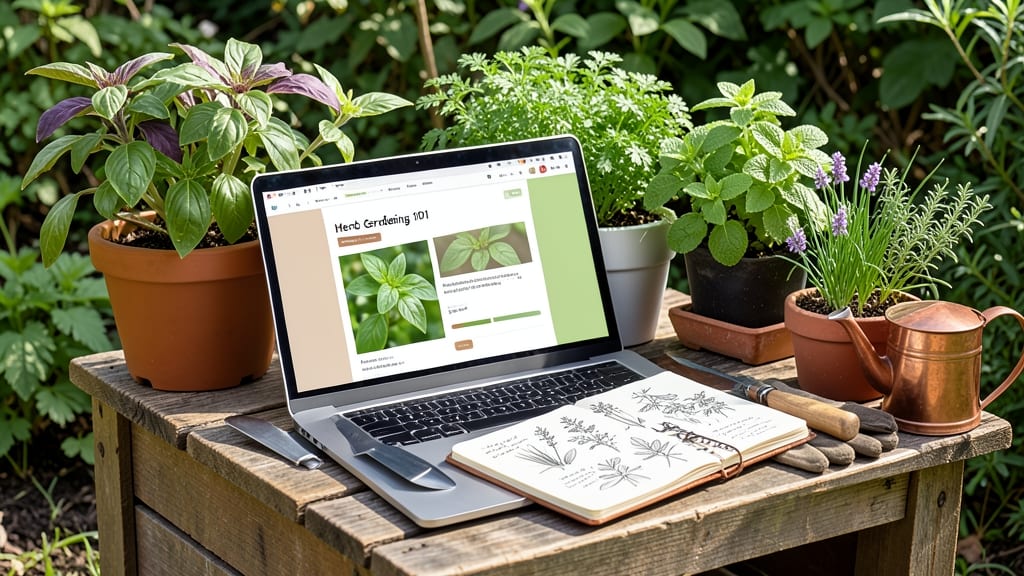
💥 Quick Answer Online gardening schools provide accredited programs that combine classroom theory with practical training, featuring virtual plant labs, expert-led workshops, and hands-on modules for sustainable growing…
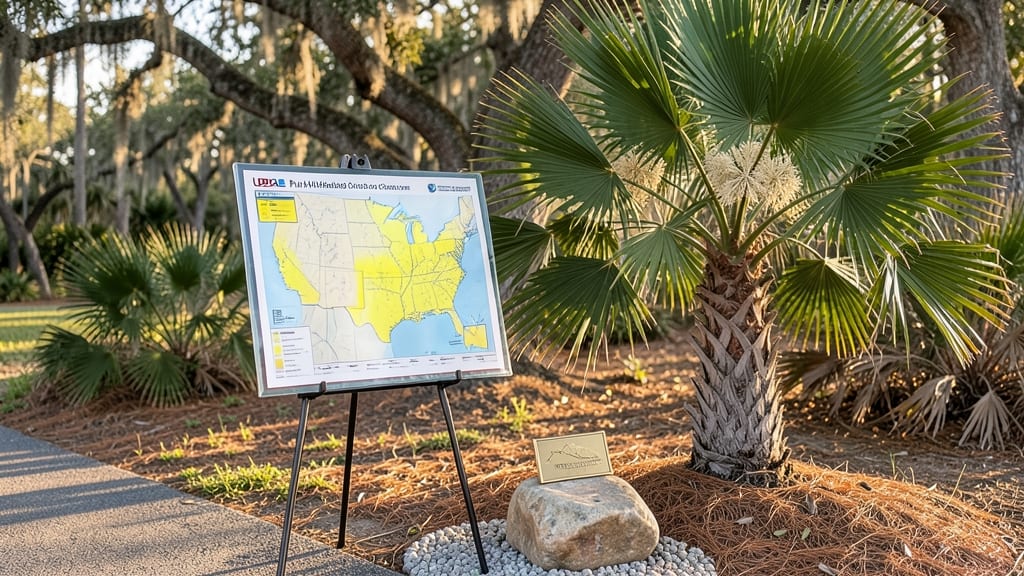
💥 Quick Answer Central Florida's gardening zones are primarily USDA Zones 8b and 9a, with some areas reaching Zone 10a, enabling tropical plants like citrus and bougainvillea to thrive year-round while demanding winter…
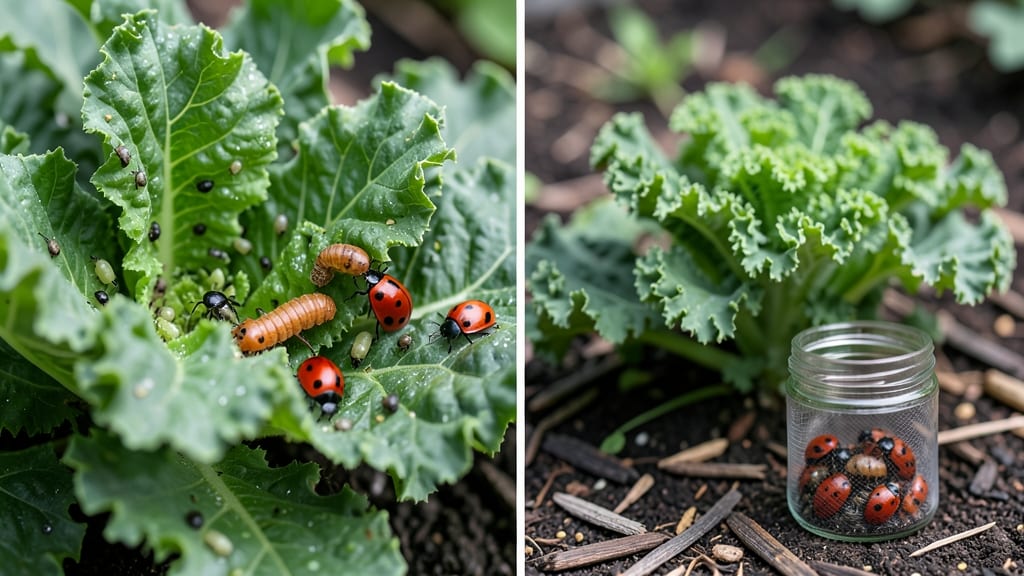
💥 Quick Answer Ladybugs for garden pest control naturally eliminate aphids, mites, and other soft-bodied insects by consuming up to 5,000 pests in a lifetime, making them an eco-friendly alternative to chemical sprays…
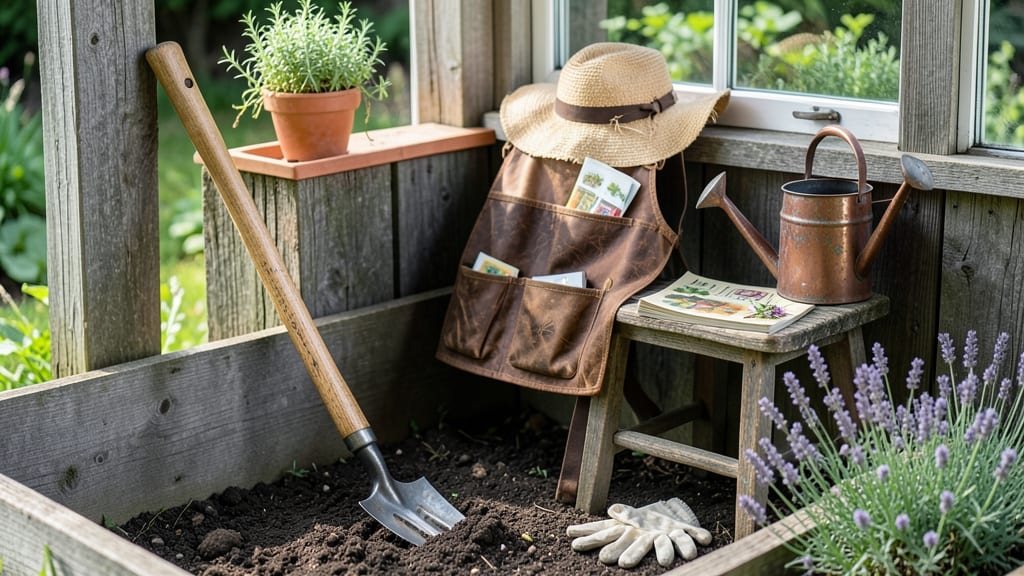
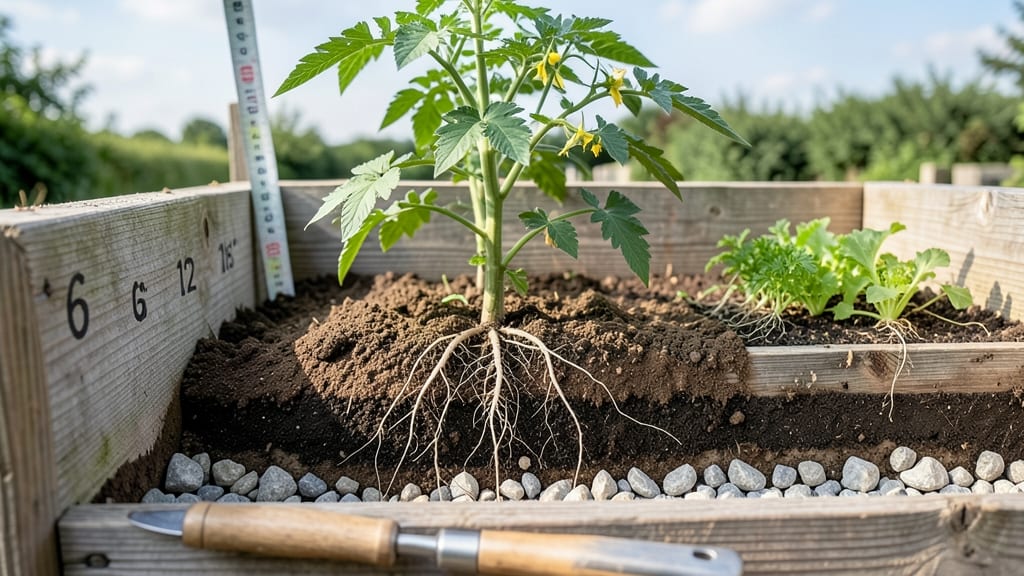
💥 Quick Answer Determining the optimal raised garden bed depth depends on your plants: 12 to 18 inches works for most vegetables, giving roots ample space while preventing soil compaction. Deeper beds (24+ inches) are…