I still remember the first time my grandfather showed me how to coax a seedling into life—it was a sunflower, and I was convinced it would never grow. Now, decades later, I’m just as excited about the little victories in the garden, whether it’s a stubborn tomato plant finally setting fruit or a patch of herbs thriving where nothing seemed to take root before. This site is where I share the lessons I’ve learned along the way: the practical tips, the quirky tricks, and the quiet joys of watching something you’ve nurtured bloom. If you’re here, you’re already part of the club—let’s grow together.
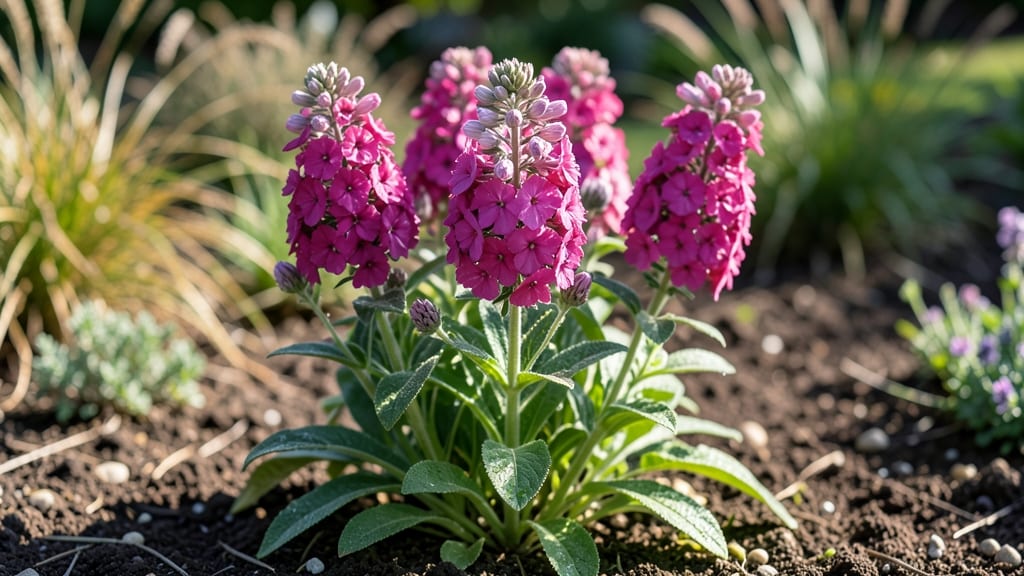
💥 Quick Answer Garden phlox don't bloom all summer long—most varieties flower from mid-to-late summer (June–August) , though reblooming hybrids like David phlox can extend their display into early fall (September) with…
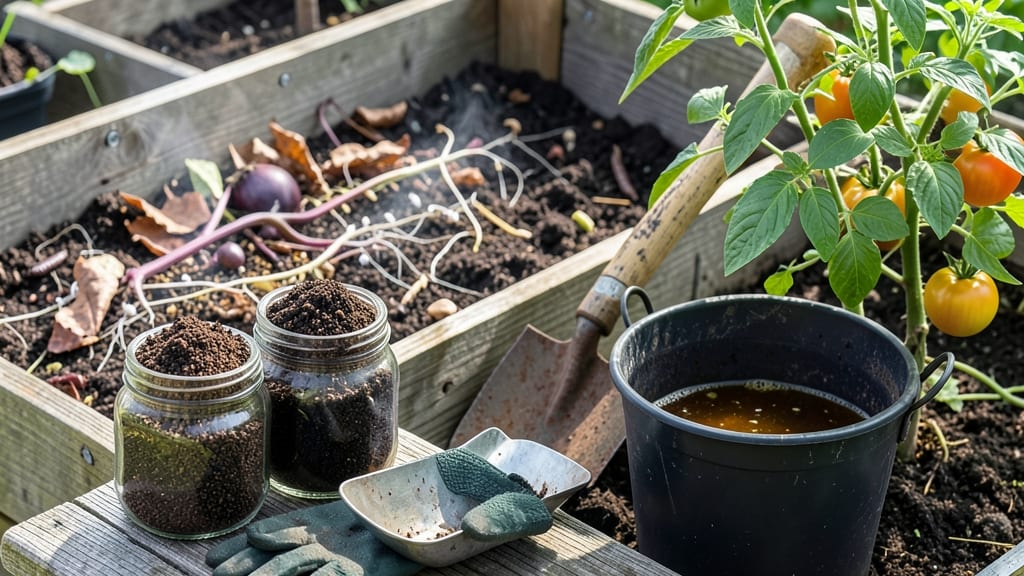
💥 Quick Answer Used coffee grounds for the garden act as a natural soil booster by adding nitrogen, retaining moisture, and repelling pests like slugs while creating ideal acidic conditions for plants like blueberries…
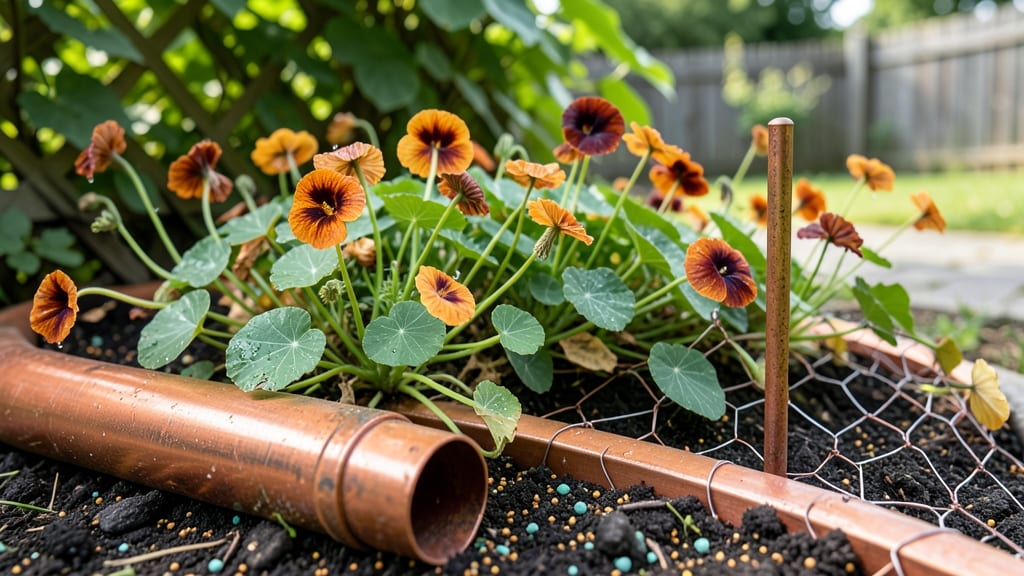
💥 Quick Answer Using copper in garden beds improves soil health by enhancing microbial activity and deterring fungal diseases while acting as a natural slug and snail repellent. Apply as copper sulfate granules, soil…
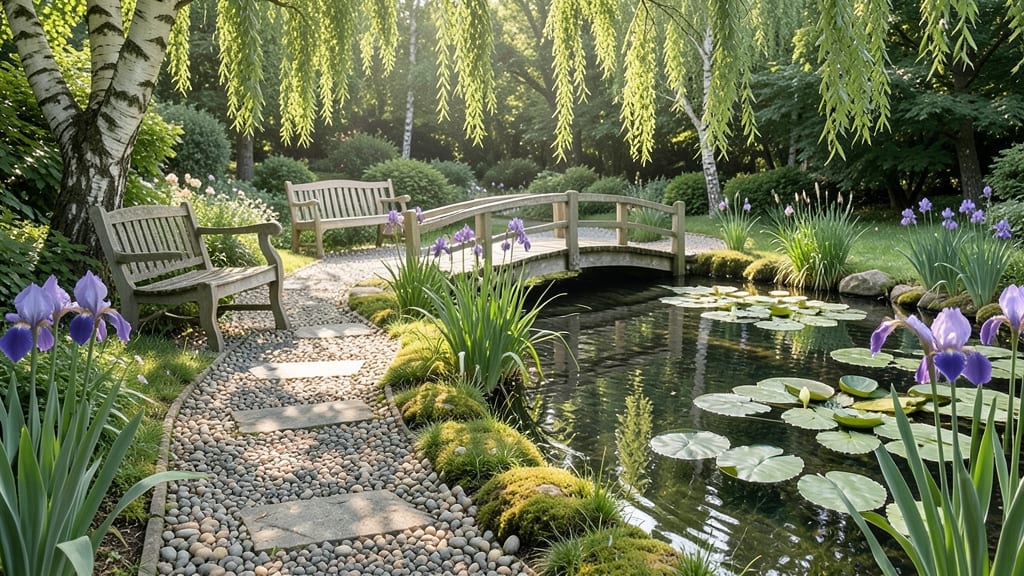
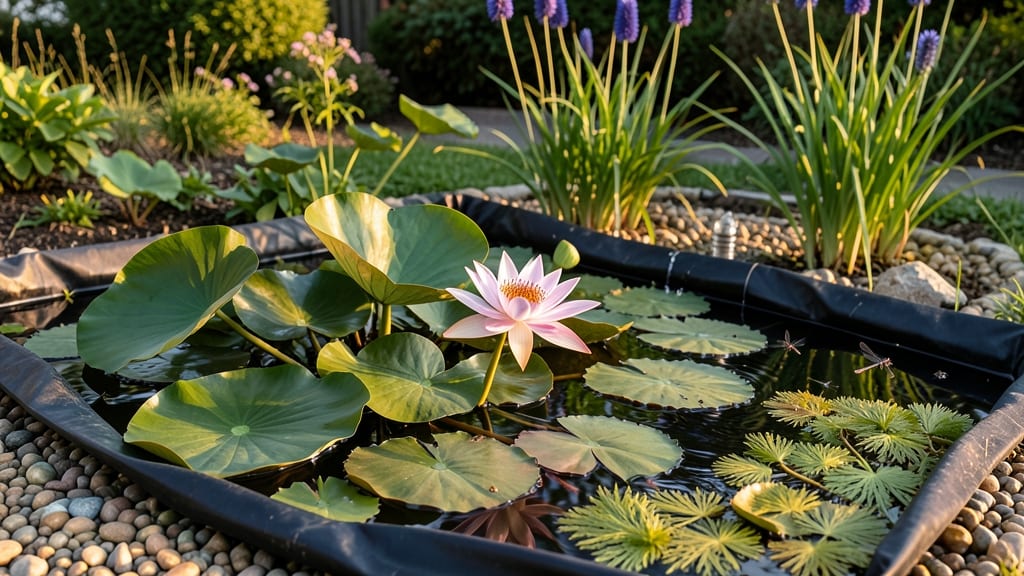
💥 Quick Answer Finding aquatic gardens near you reveals tranquil havens featuring vibrant water lilies, graceful koi ponds, and meticulously curated aquatic plant collections. These living exhibits often include guided…
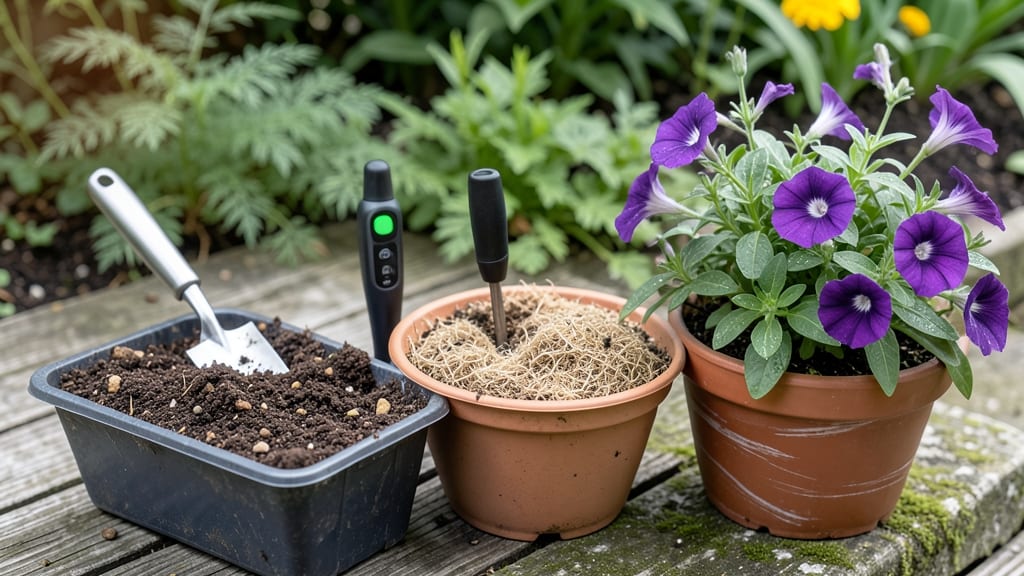
💥 Quick Answer You shouldn't use garden soil in containers because it compacts easily, drains poorly, and traps harmful pathogens that stunt root growth. Instead, blend it with perlite, sand, or compost to improve…
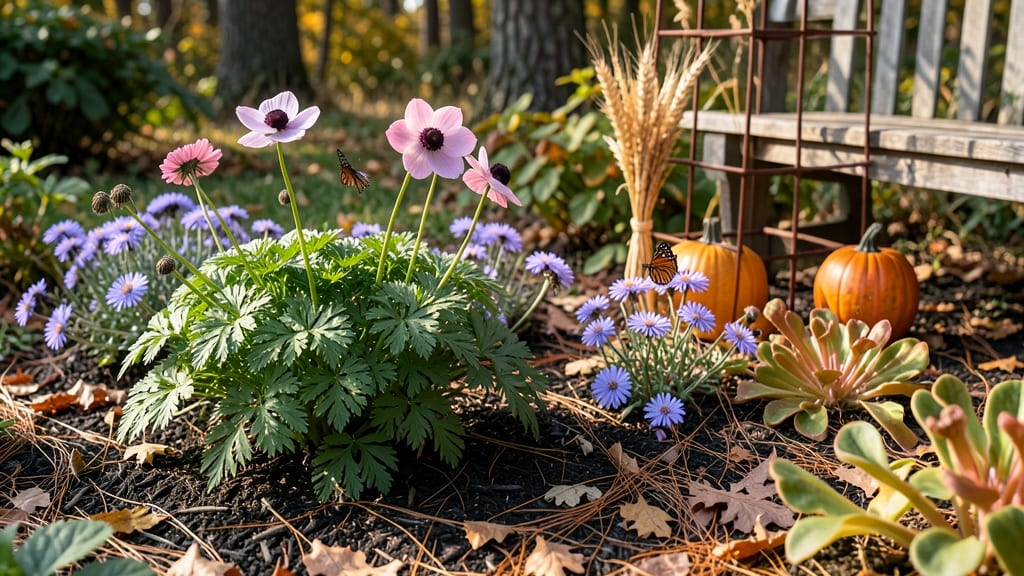
💥 Quick Answer September at Longwood Gardens transforms the estate into a breathtaking autumn wonderland, showcasing peak fall foliage, rare chrysanthemum varieties, and the legendary Fountain Show. This is also when…
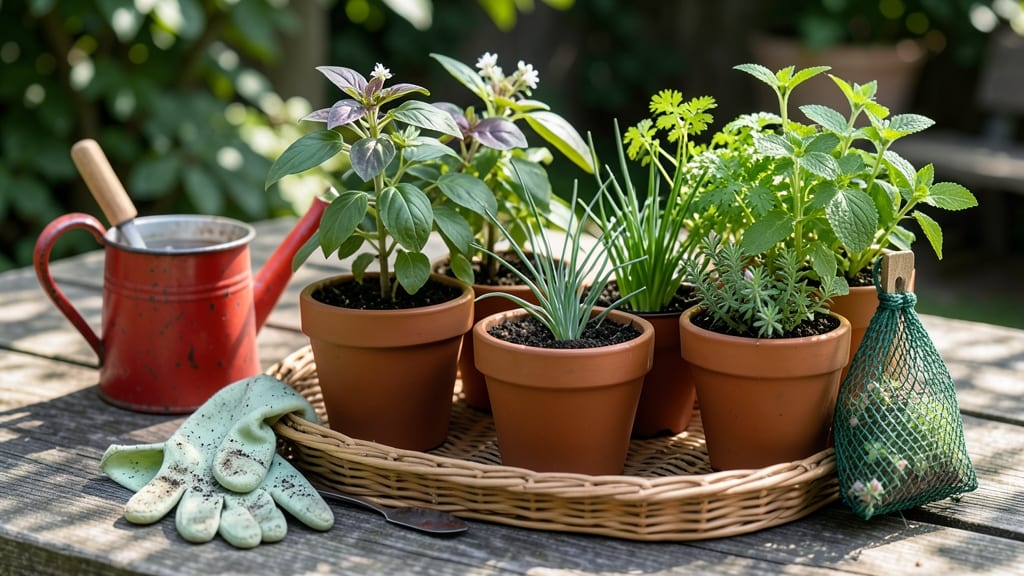
💥 Quick Answer Going garden means cultivating plants in movable containers like pots, grow bags, or vertical planters to transform limited spaces into productive growing areas. Opt for lightweight materials, prioritize…
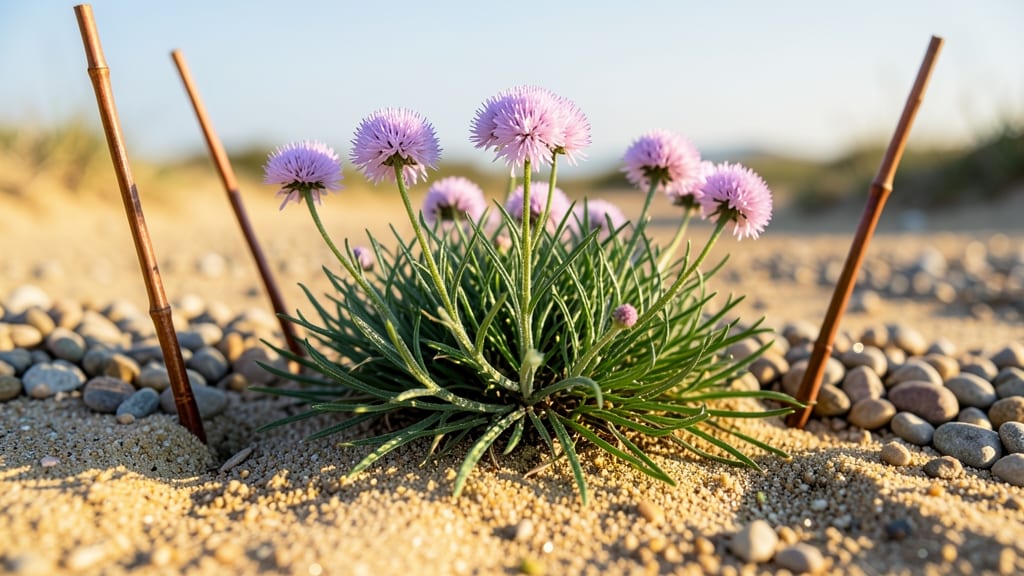
💥 Quick Answer For seaside gardens, salt-tolerant plants like sea oats, beach roses, and saltmarsh cordgrass create resilient landscapes that withstand wind, salt spray, and sandy soil while enhancing coastal beauty and…
💥 Quick Answer Cincinnati gardening thrives in USDA Hardiness Zones 6a and 6b, where winters dip to -10°F to 0°F (-23°C to -18°C), creating ideal conditions for hardy perennials, fruit trees, and cold-resistant…