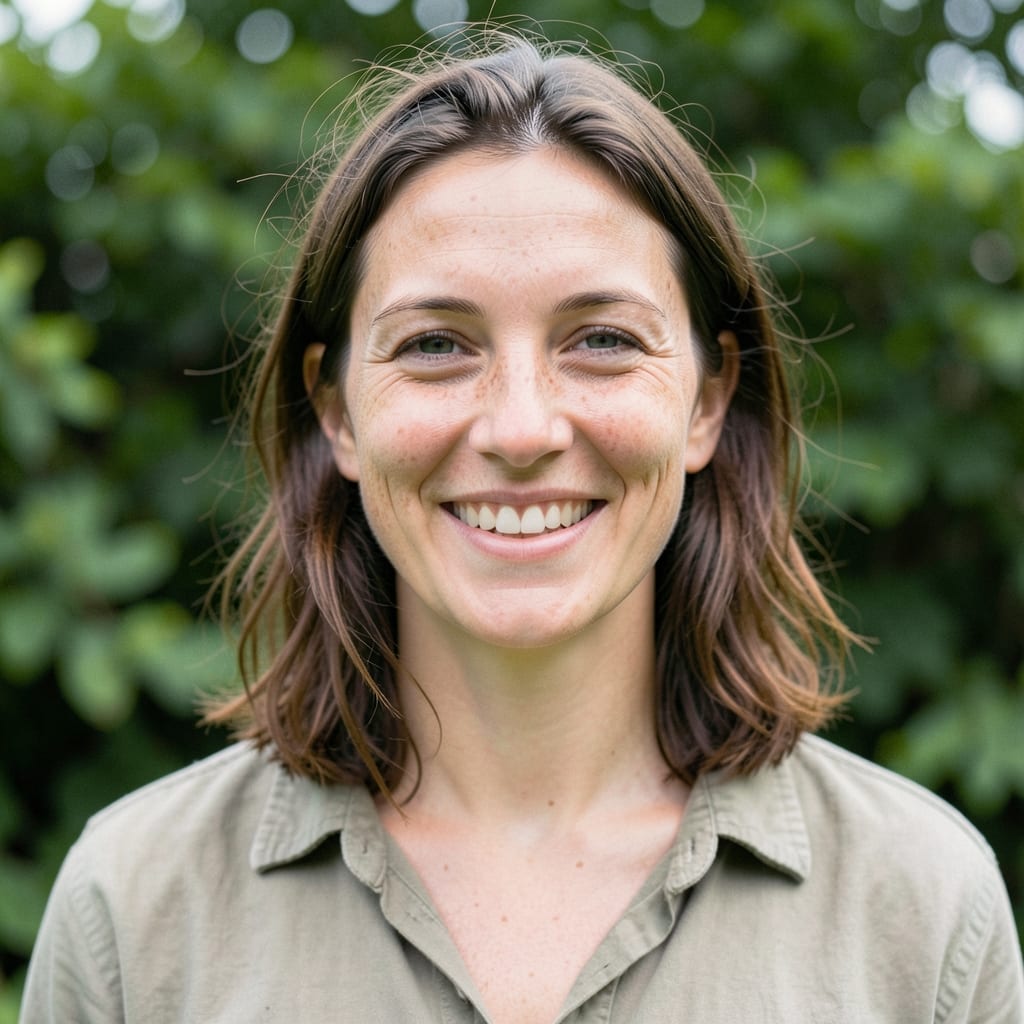
I still remember the first time my grandfather showed me how to coax a seedling into life—it was a sunflower, and I was convinced it would never grow. Now, decades later, I’m just as excited about the little victories in the garden, whether it’s a stubborn tomato plant finally setting fruit or a patch of herbs thriving where nothing seemed to take root before. This site is where I share the lessons I’ve learned along the way: the practical tips, the quirky tricks, and the quiet joys of watching something you’ve nurtured bloom. If you’re here, you’re already part of the club—let’s grow together.
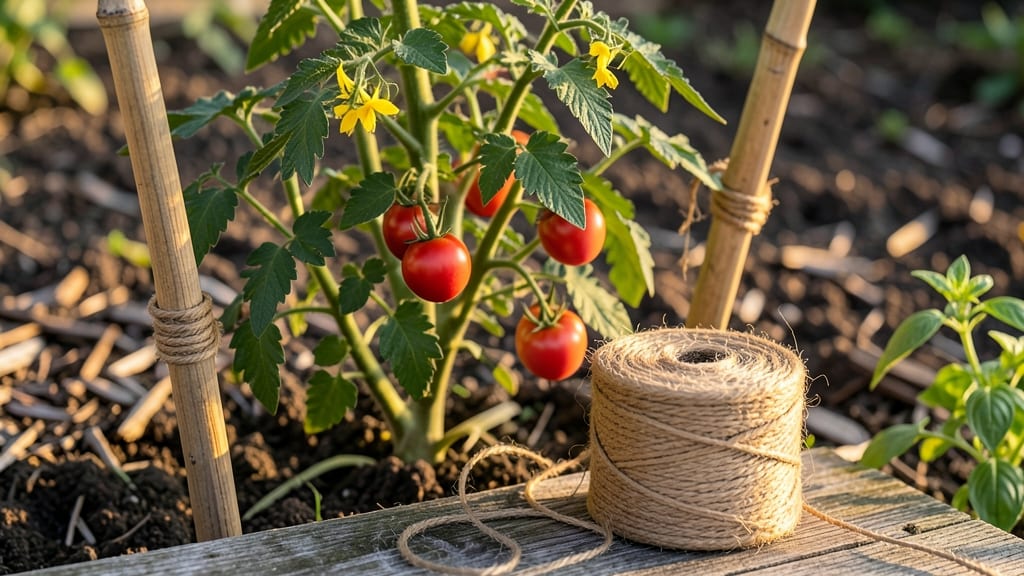
💥 Quick Answer Using garden twine for tomatoes creates sturdy support that keeps vines upright, prevents sprawling, and improves airflow to reduce fungal diseases. Opt for biodegradable twine to minimize environmental…
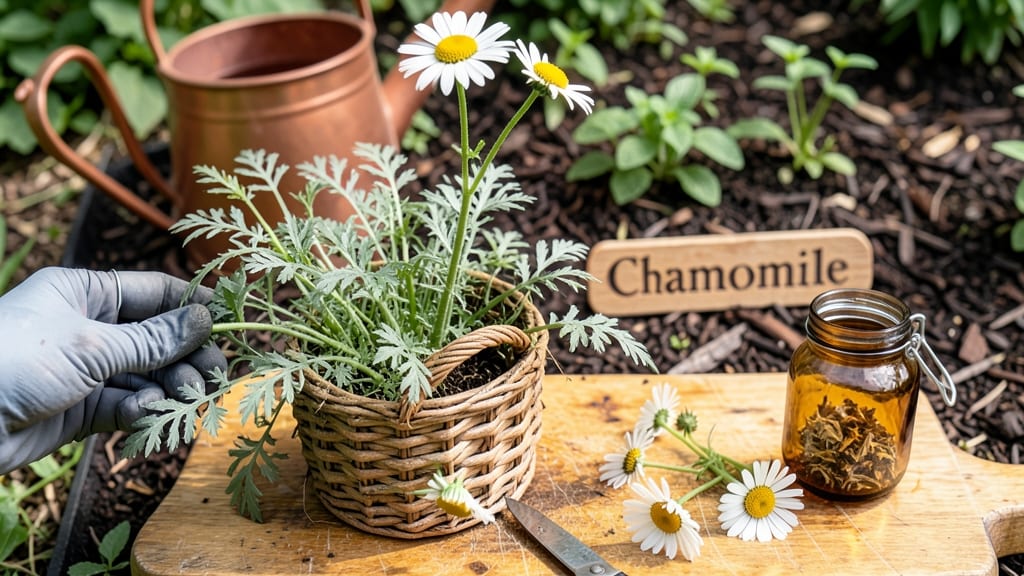
💥 Quick Answer A medicinal tea garden creates a natural apothecary of healing herbs like peppermint, chamomile, and lemon balm, perfect for brewing teas that support digestion, relaxation, and immune health. Focus on…
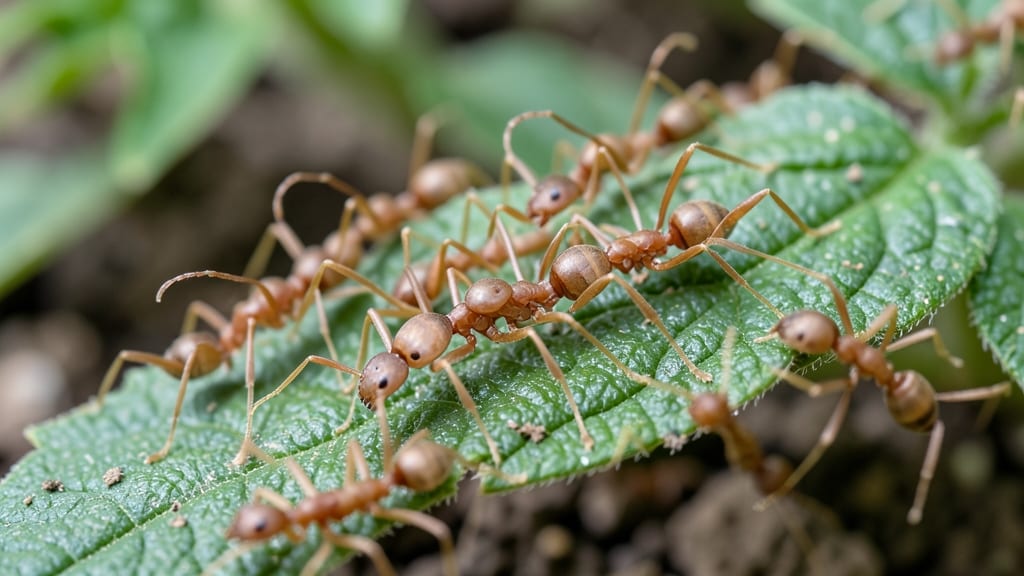
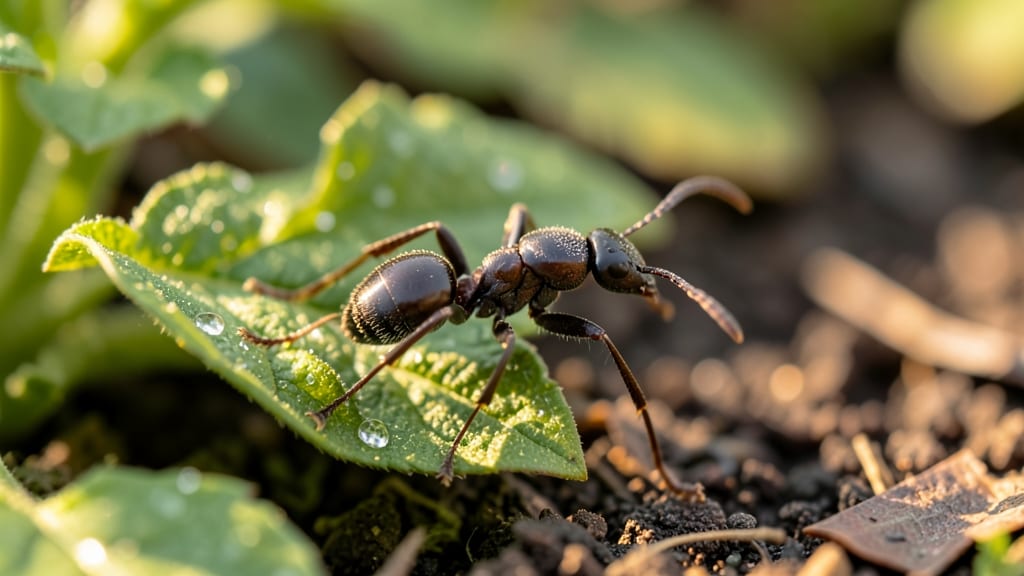
💥 Quick Answer Whether ants are bad for a garden depends on the species and their behavior—they can improve soil health by aerating and dispersing seeds while also controlling pests like aphids, but certain types may…
💥 Quick Answer Ants are beneficial to gardens by controlling pests, aerating soil, and breaking down organic matter, but they can also damage roots or attract harmful insects like aphids. Their effects vary by species…
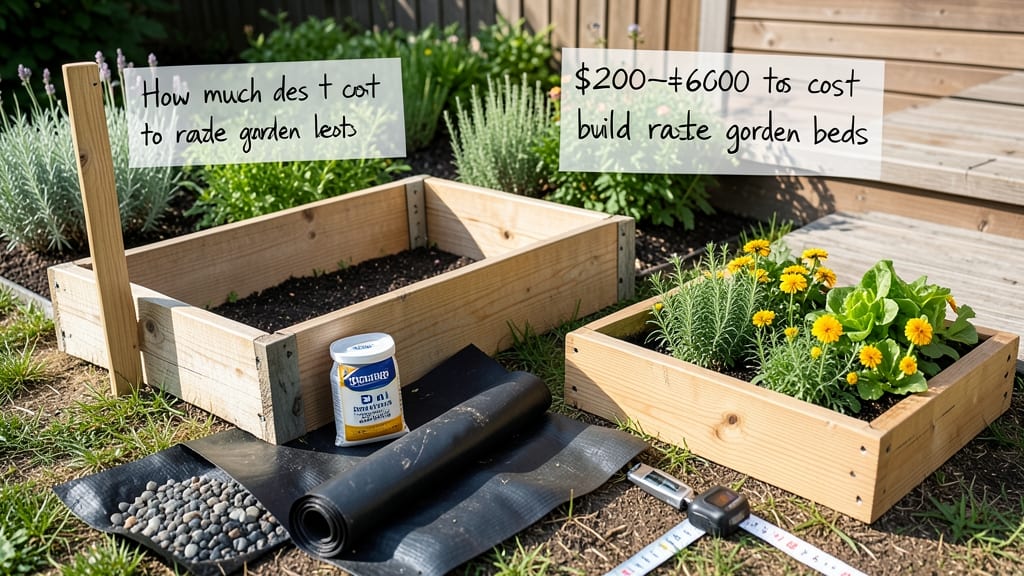
💥 Quick Answer Building raised garden beds costs between $200 and $1,200+ , depending on size (4’x8’ beds range from $300–$800 ), materials (cedar costs more than untreated lumber), and whether you DIY or hire help…
💥 Quick Answer For backyard garden lovers, identifying soil type is simple: perform a jar test, squeeze test, and percolation test to determine whether your soil is clay, sandy, loamy, or silt-based, which directly…
💥 Quick Answer Houston's garden zone is 9a, with winter lows between 20°F and 25°F (-6.7°C to -3.9°C), creating ideal conditions for tropical and subtropical plants to thrive year-round. Houston's warm climate isn't…
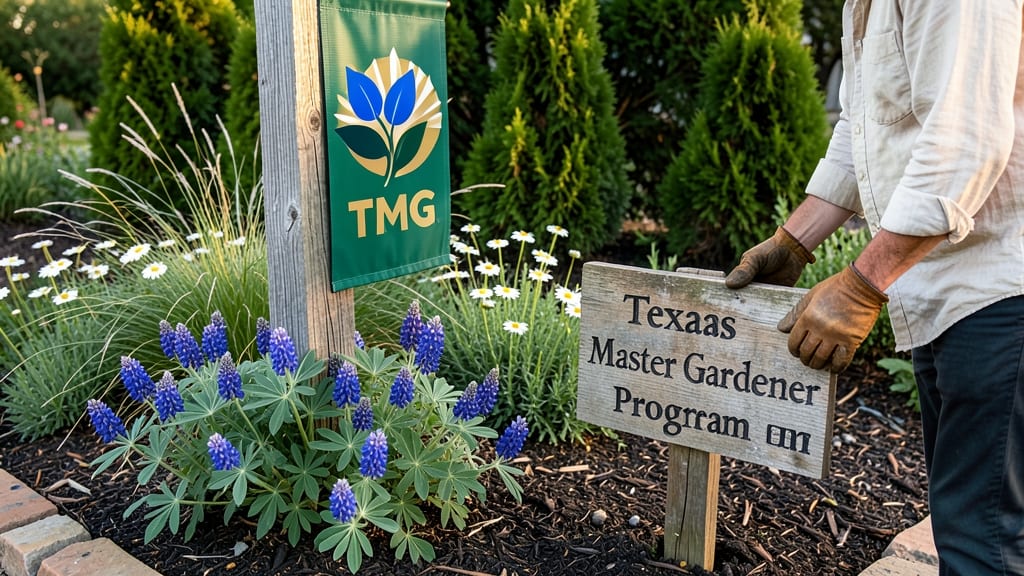
💥 Quick Answer The Texas Master Gardener Program trains volunteers in horticulture to serve their communities through gardening education, plant clinics, and environmental stewardship, requiring 40 hours of coursework…
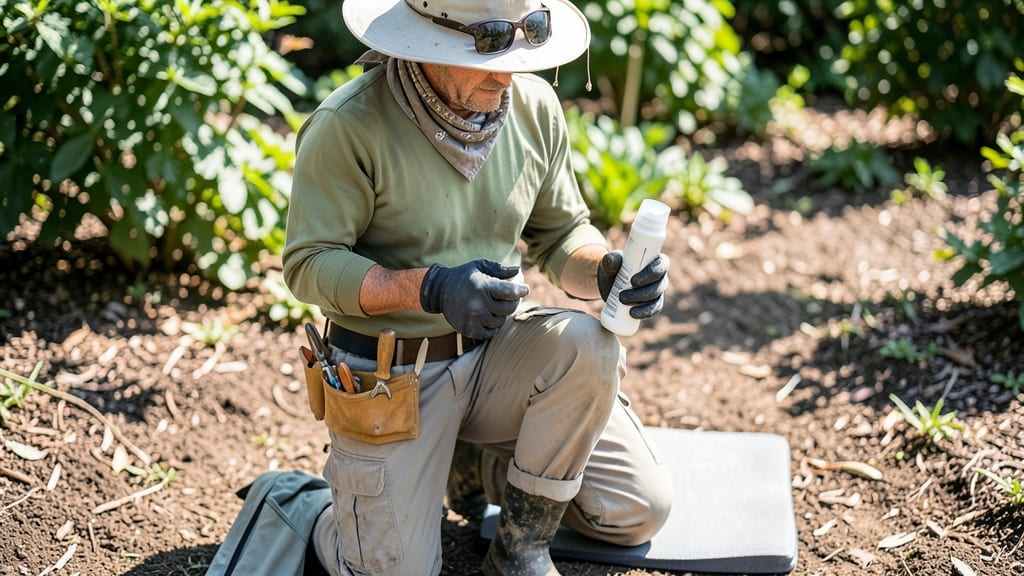
💥 Quick Answer Gardeners wear breathable, moisture-wicking fabrics like long-sleeved shirts, durable pants, and sturdy gloves to protect from sun, thorns, and soil. Seasonal layers include lightweight cotton in summer…
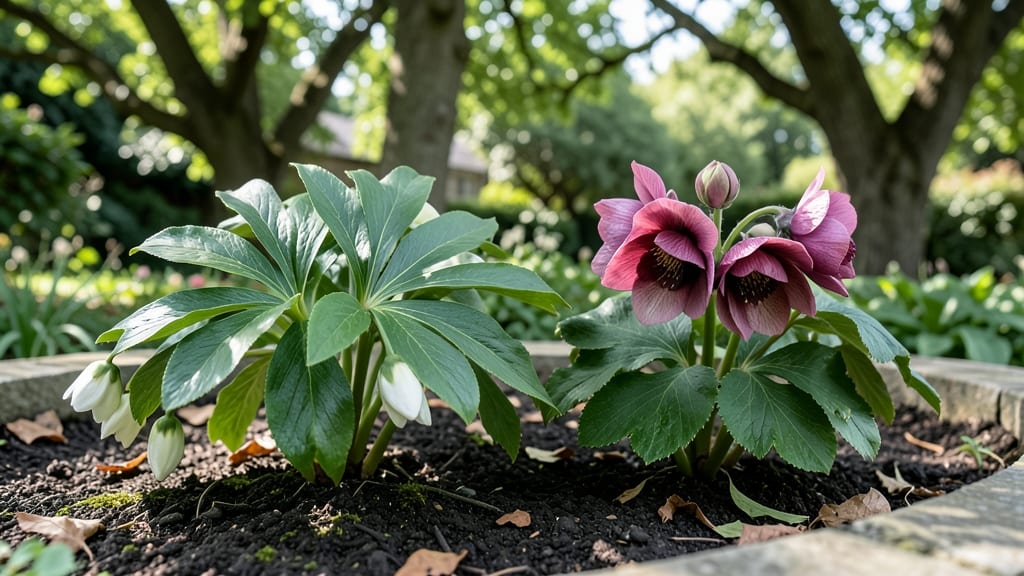
💥 Quick Answer Hellebores excel in gardens as shade-tolerant perennials that deliver vibrant spring blooms, maintain lush evergreen foliage throughout the year, and demand minimal upkeep after establishment. Their…