I still remember the first time my grandfather showed me how to coax a seedling into life—it was a sunflower, and I was convinced it would never grow. Now, decades later, I’m just as excited about the little victories in the garden, whether it’s a stubborn tomato plant finally setting fruit or a patch of herbs thriving where nothing seemed to take root before. This site is where I share the lessons I’ve learned along the way: the practical tips, the quirky tricks, and the quiet joys of watching something you’ve nurtured bloom. If you’re here, you’re already part of the club—let’s grow together.
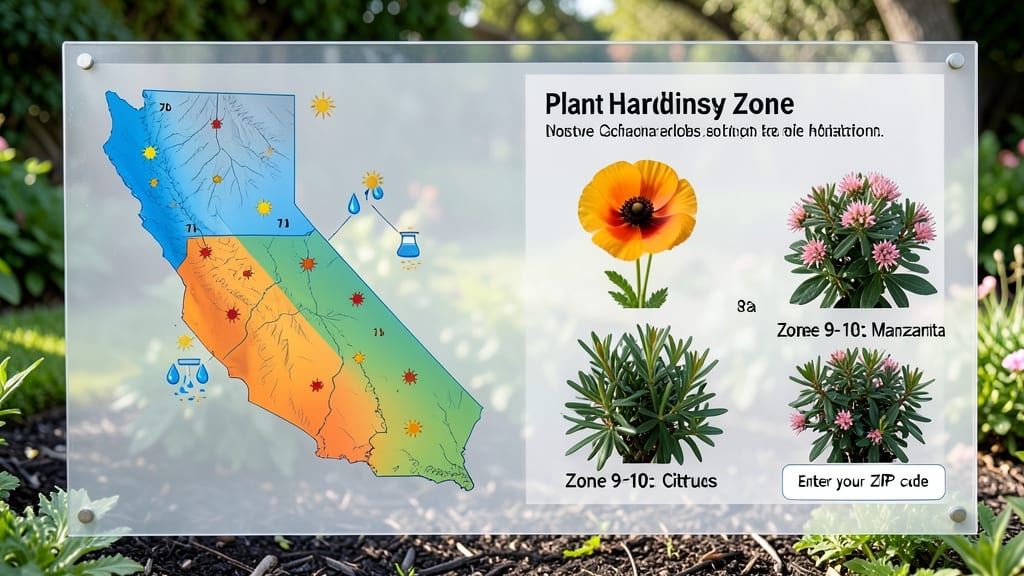
💥 Quick Answer Understanding California gardening zones is essential because they range from 7 to 11, with coastal regions typically in zones 9–11 and inland areas in zones 7–9, directly influencing which plants will…
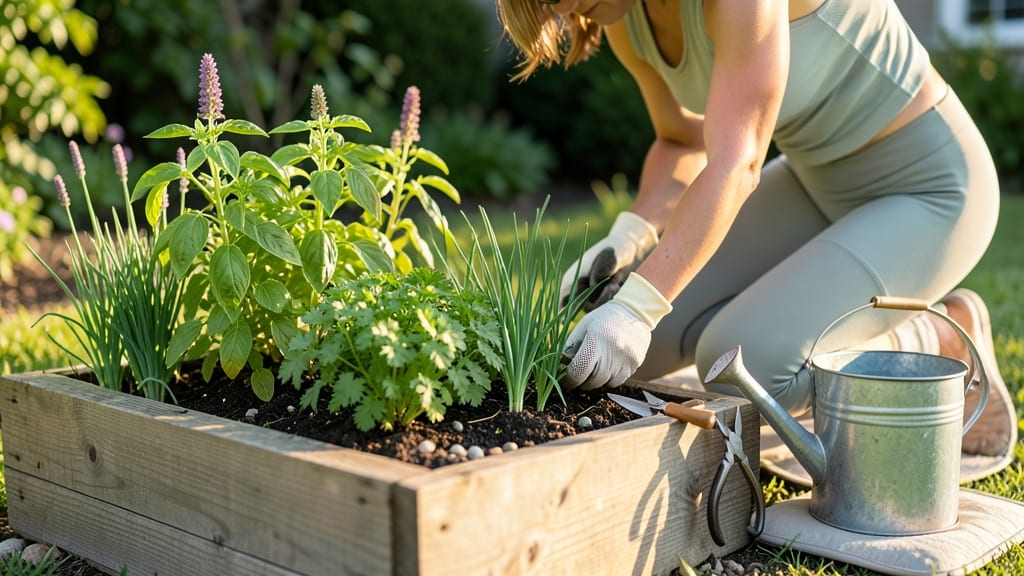
💥 Quick Answer Gardening counts as good exercise because it works your arms, legs, and core while burning 200-400 calories per hour , all while being gentle on joints. The physical demands vary—digging strengthens…
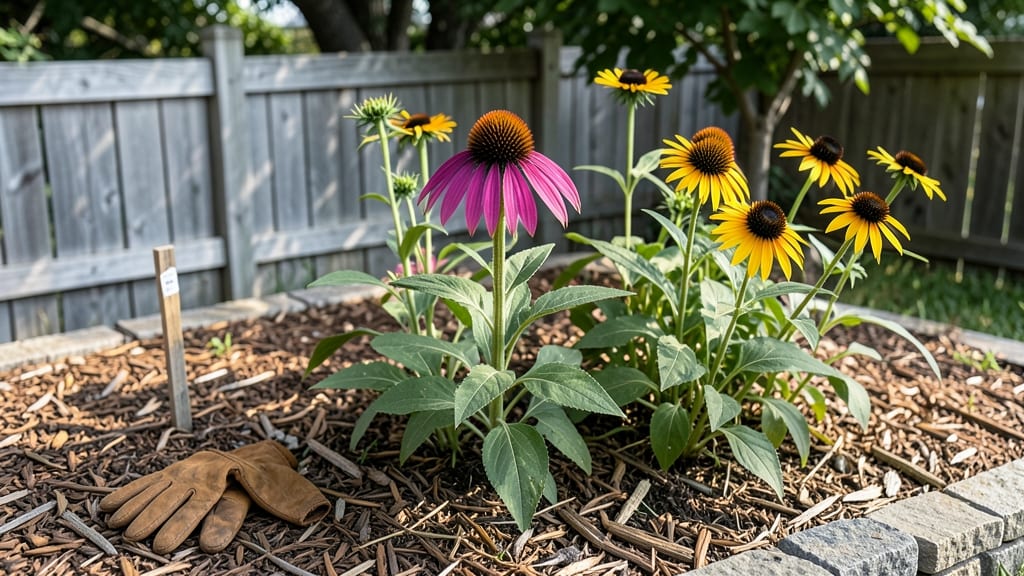
💥 Quick Answer Zone 5B gardening thrives with cold-resistant plants that endure winters down to -15°F (-26°C), featuring hardy perennials like coneflowers and hostas alongside biennials and annuals for seasonal color…
💥 Quick Answer To spell garden correctly, use G-A-R-D-E-N —the word includes a silent 'e' at the end, like many English words for cultivated spaces. Never drop the 'e' or add extra letters like 'gg' or 'dd'. English…
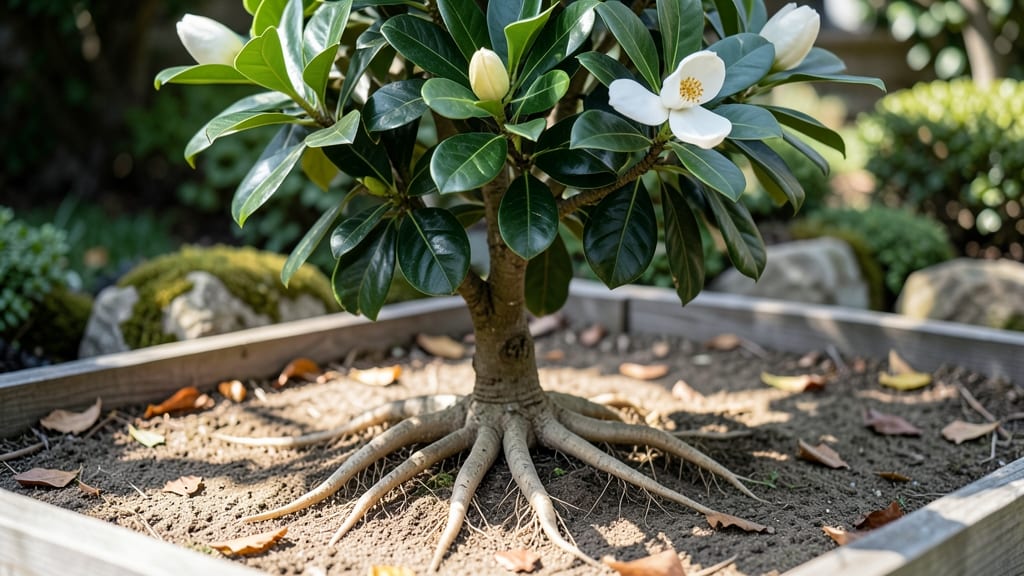
💥 Quick Answer The gardenia root system develops shallow but expansive roots, typically growing 12–18 inches deep while spreading 2–3 feet wide at maturity. For healthy growth, plant gardenia roots 2–3 inches below soil…
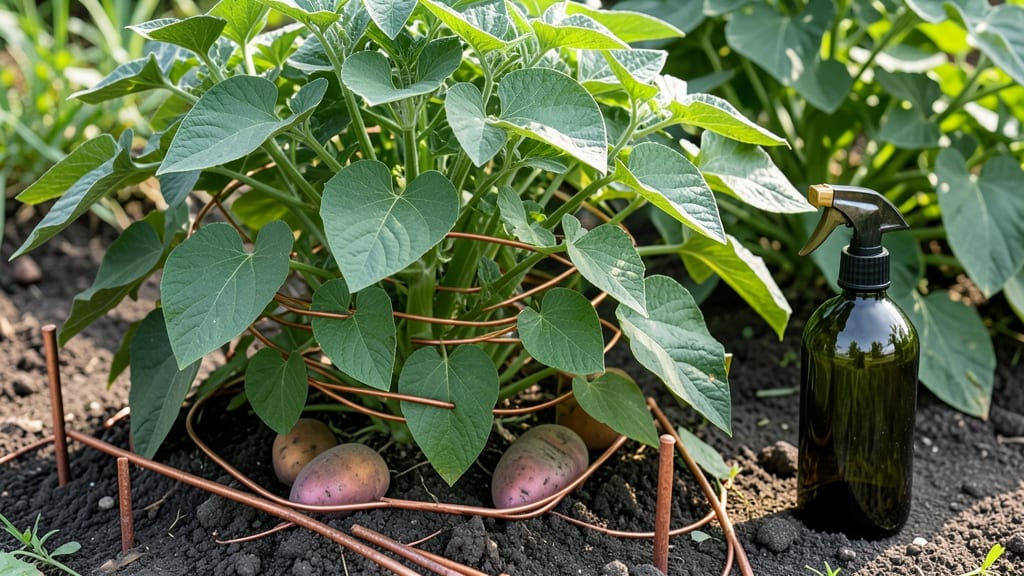
💥 Quick Answer Using copper in the garden helps deter pests like slugs and snails while preventing fungal diseases such as blight, and it boosts soil fertility when used as compost or mulch. Copper sprays also work as…
💥 Quick Answer To find master gardeners near you, connect with local university extension programs or community networks that offer free gardening expertise, soil analysis, and plant health diagnostics. Search your…
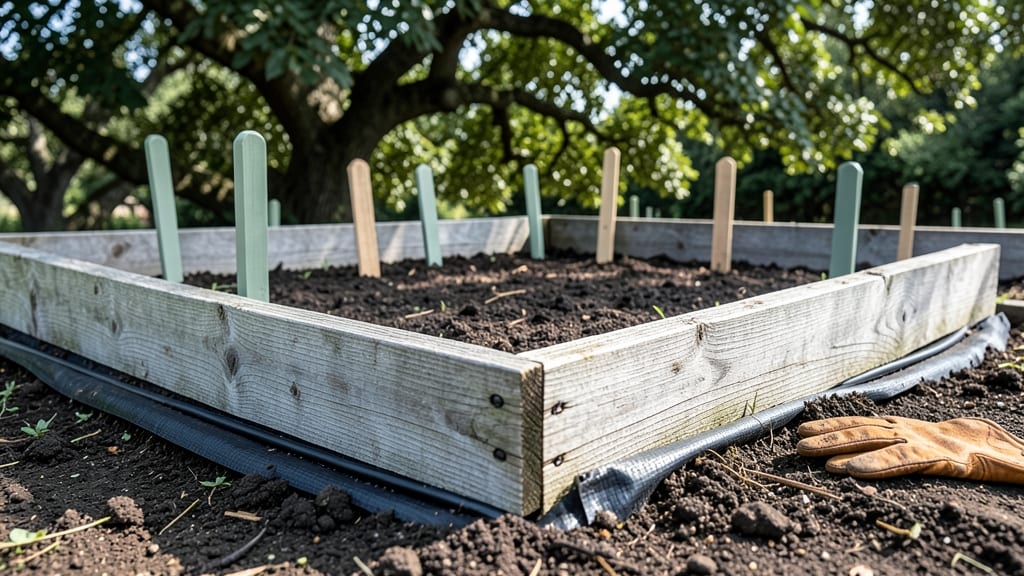
💥 Quick Answer The ideal raised garden height is 6 to 12 inches, creating the perfect balance between root space for most plants, proper drainage, and easy maintenance while preventing soil overheating in taller beds…
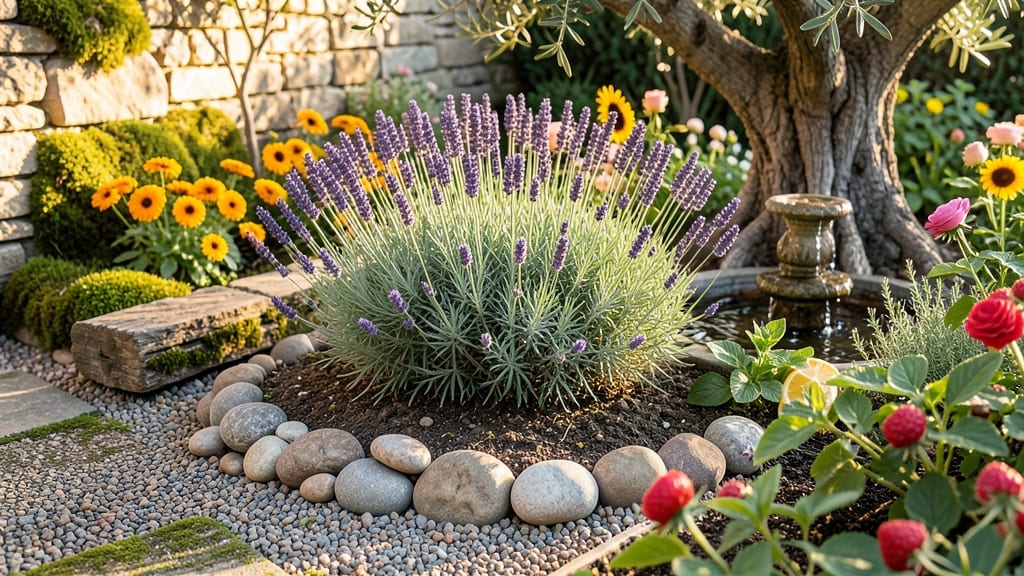
💥 Quick Answer A sensory garden is a purposefully designed outdoor space that intentionally stimulates all five senses—sight, sound, touch, smell, and taste—through carefully selected plants, textures, and natural…
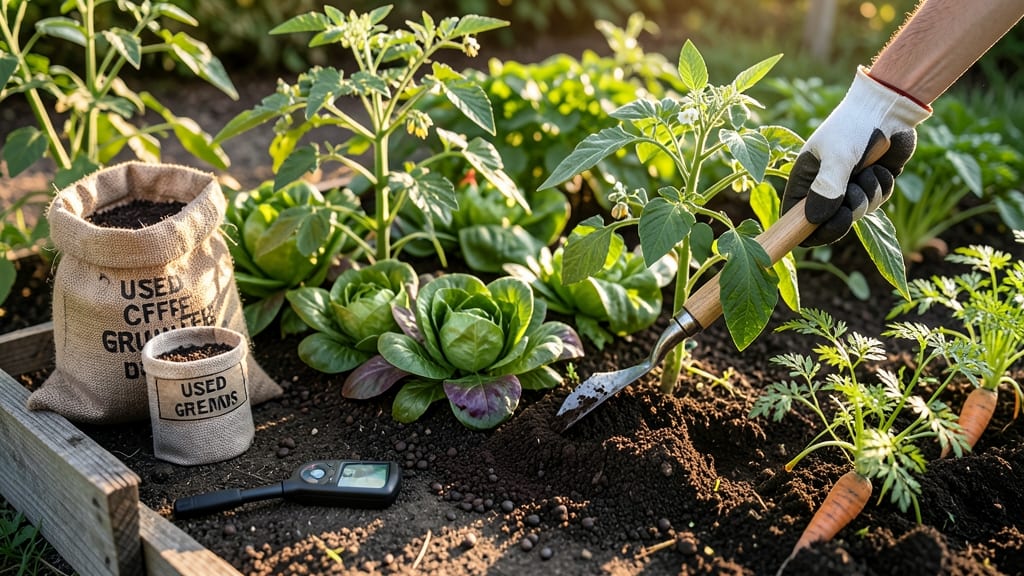
💥 Quick Answer Using coffee grounds in the vegetable garden boosts soil fertility with nitrogen, encourages earthworm activity, and naturally deters weeds—but should be applied carefully to avoid over-acidifying the…