I still remember the first time my grandfather showed me how to coax a seedling into life—it was a sunflower, and I was convinced it would never grow. Now, decades later, I’m just as excited about the little victories in the garden, whether it’s a stubborn tomato plant finally setting fruit or a patch of herbs thriving where nothing seemed to take root before. This site is where I share the lessons I’ve learned along the way: the practical tips, the quirky tricks, and the quiet joys of watching something you’ve nurtured bloom. If you’re here, you’re already part of the club—let’s grow together.
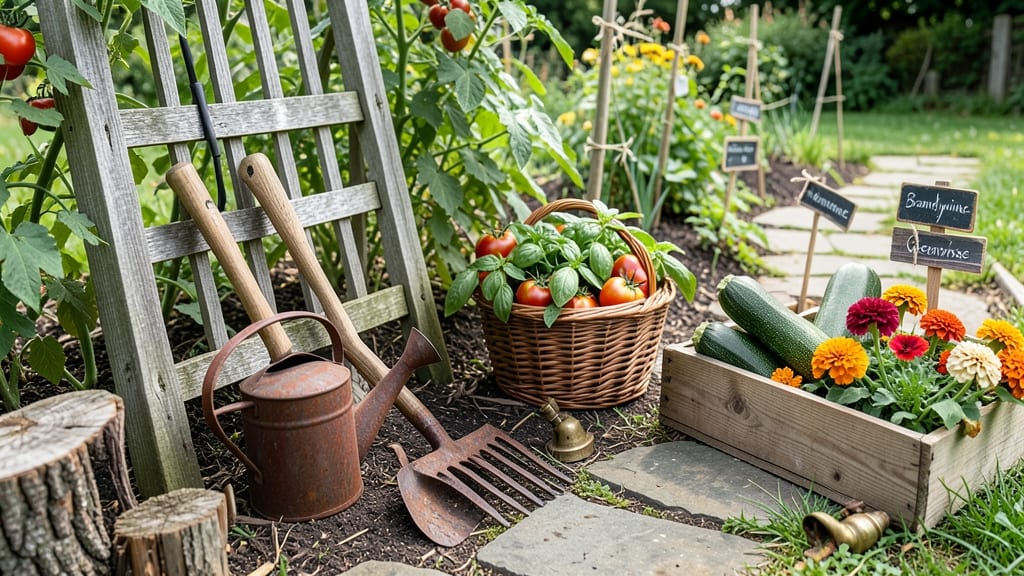
💥 Quick Answer Creating a grandma's garden picture requires rustic wooden frames, carefully arranged vintage floral displays, and lush herb gardens framed by classic elements like picket fences or stone pathways…
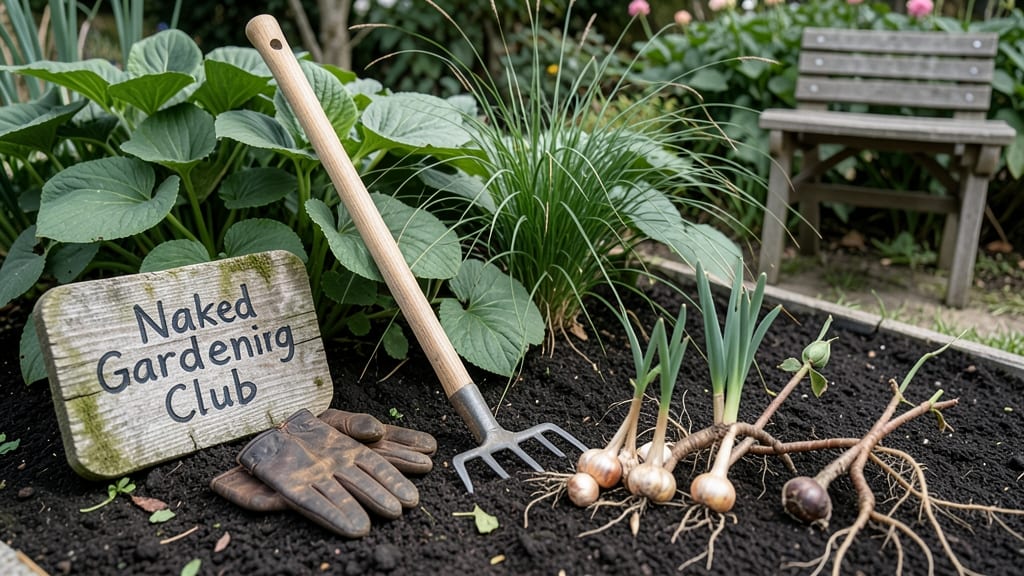
💥 Quick Answer The Naked Gardening Club is a community-focused movement where gardeners collaborate to grow food using only heirloom seeds and natural compost, rejecting commercial fertilizers and synthetic inputs. This…
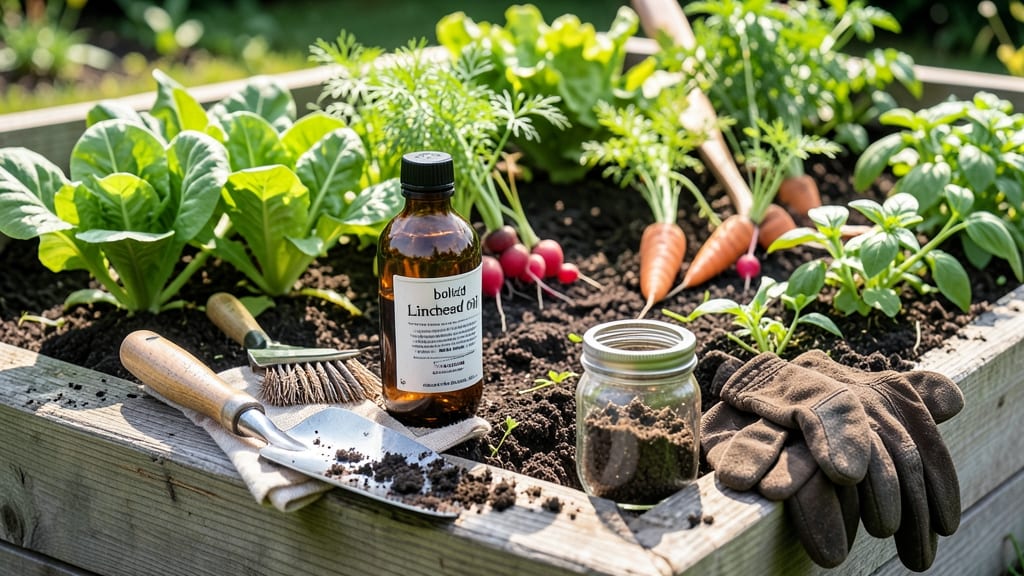
💥 Quick Answer Boiled linseed oil is safe for garden beds when used as a soil amendment or seed treatment, but proper dilution and controlled application are essential to prevent plant damage or toxicity risks. Use it…
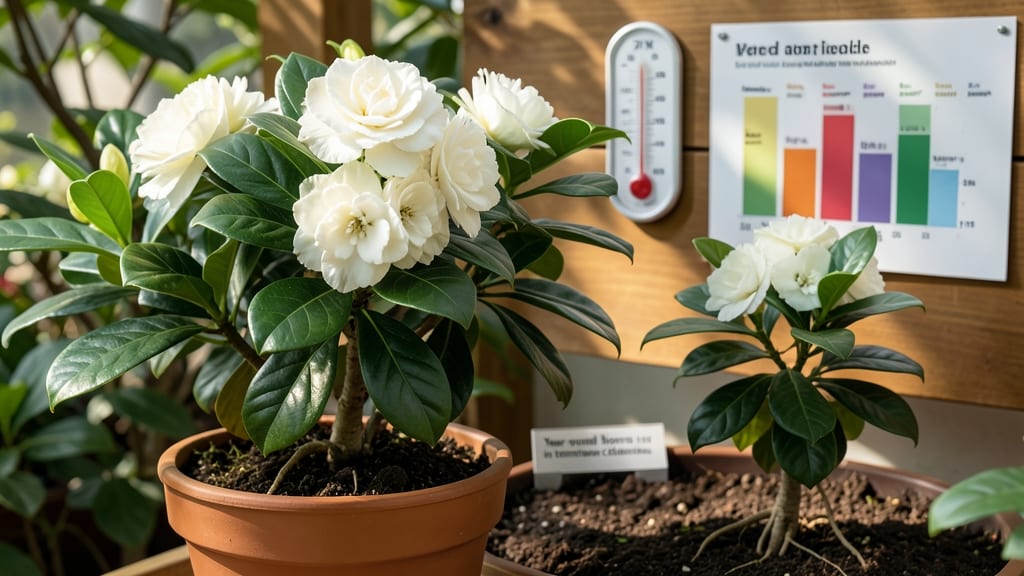
💥 Quick Answer Gardenias don't bloom all year naturally—their flowering follows seasonal cues like temperature shifts, daylight changes, and dormancy periods, though some tropical varieties may bloom longer with ideal…
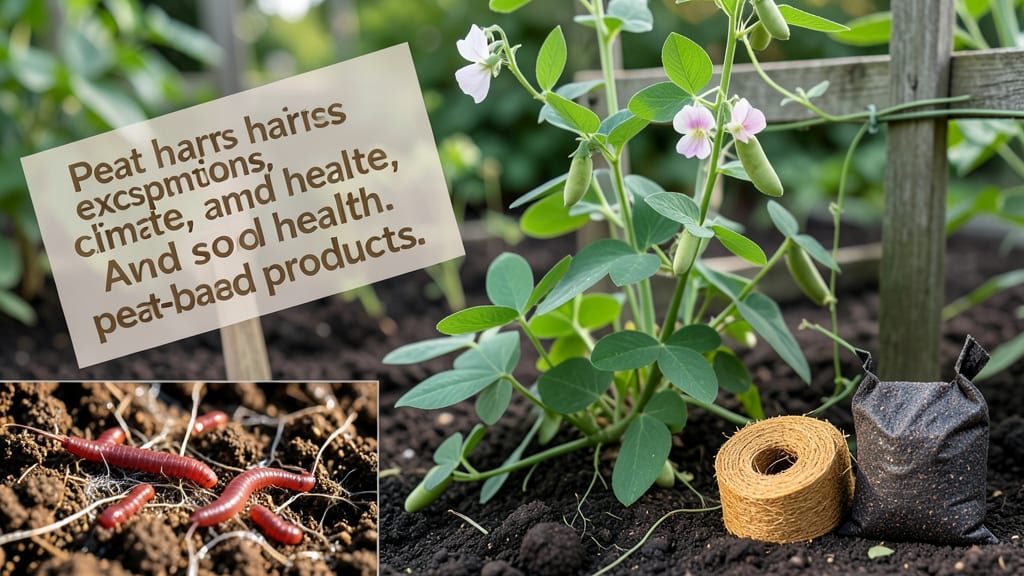
💥 Quick Answer Peat is bad for gardens because it harms ecosystems by depleting carbon-rich bogs, releases stored greenhouse gases when extracted, and disrupts water cycles. Its use also contributes to habitat loss for…
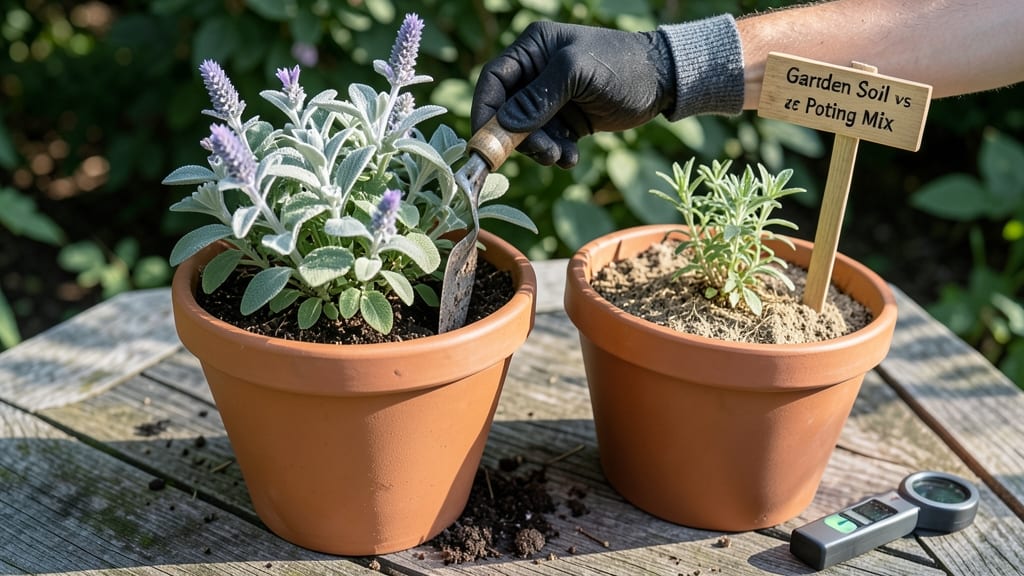
💥 Quick Answer Garden soil can be used in pots when properly amended to prevent compaction and improve drainage. Mix it with perlite, sand, or compost in equal parts, but avoid heavy clay soil for best results. Using…
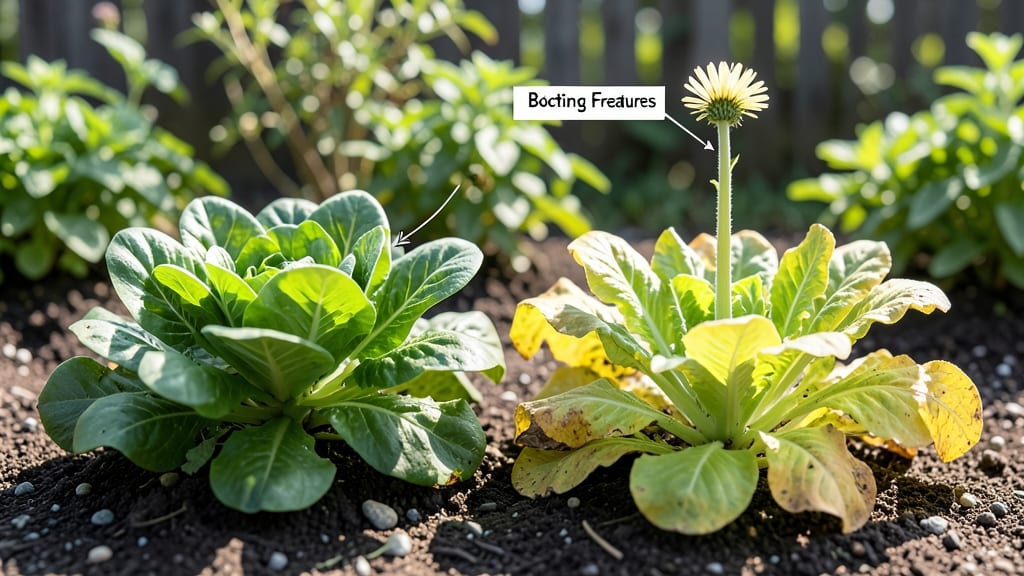
💥 Quick Answer Bolting in gardening means when leafy greens suddenly shoot up tall flower stalks, turning bitter and inedible. This happens when plants sense stress from heat, drought, or age, triggering a rapid shift…
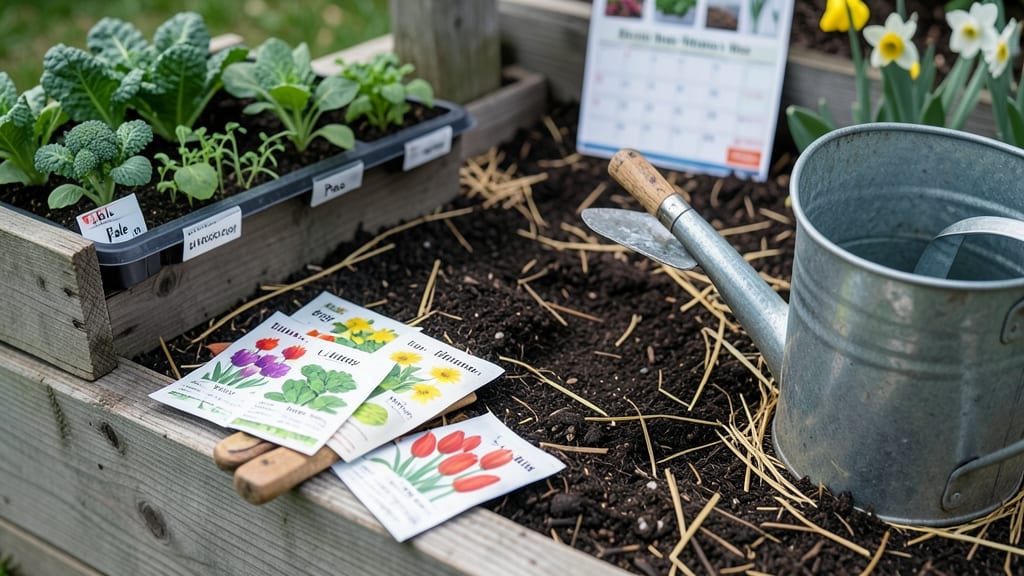
💥 Quick Answer To plant a garden in East Tennessee, time your crops carefully: cool-season vegetables like spinach and peas go in early March before the last frost (mid-April), warm-season crops like tomatoes and…
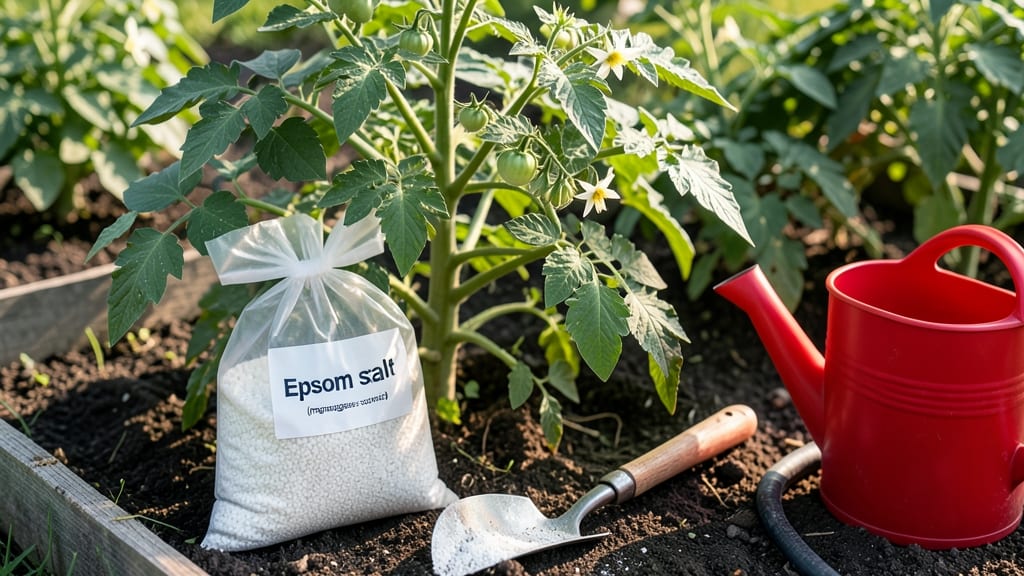
💥 Quick Answer Epsom salt for garden plants boosts magnesium and sulfur levels, preventing yellowing leaves, strengthening stems, and enhancing flowering. Mix 1 tablespoon per gallon of water and apply monthly, but…
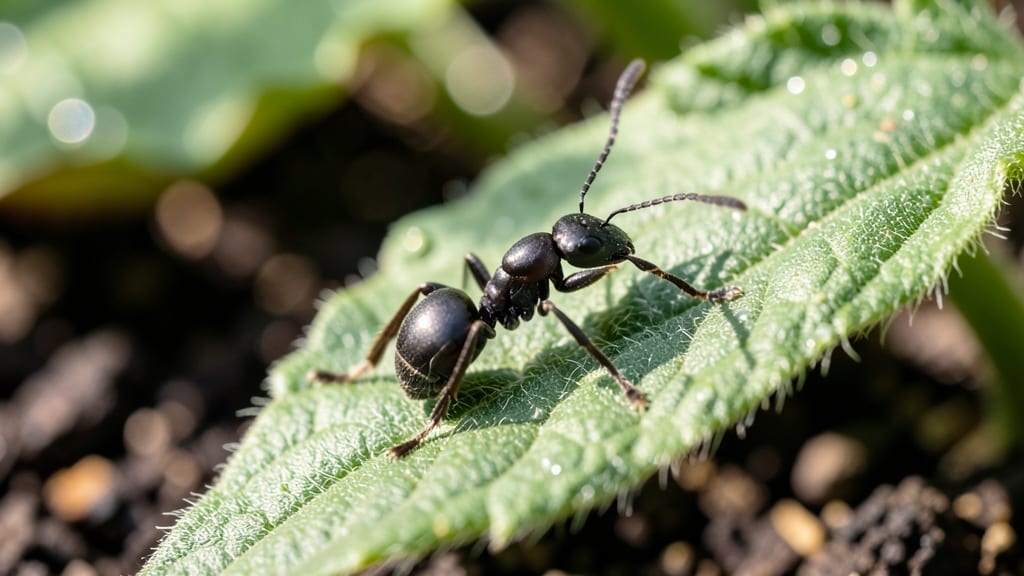
💥 Quick Answer Will ants hurt my garden? They rarely cause direct plant damage but can harm roots indirectly, disrupt soil structure, and attract pests like aphids. Most ants are harmless scavengers, though carpenter…